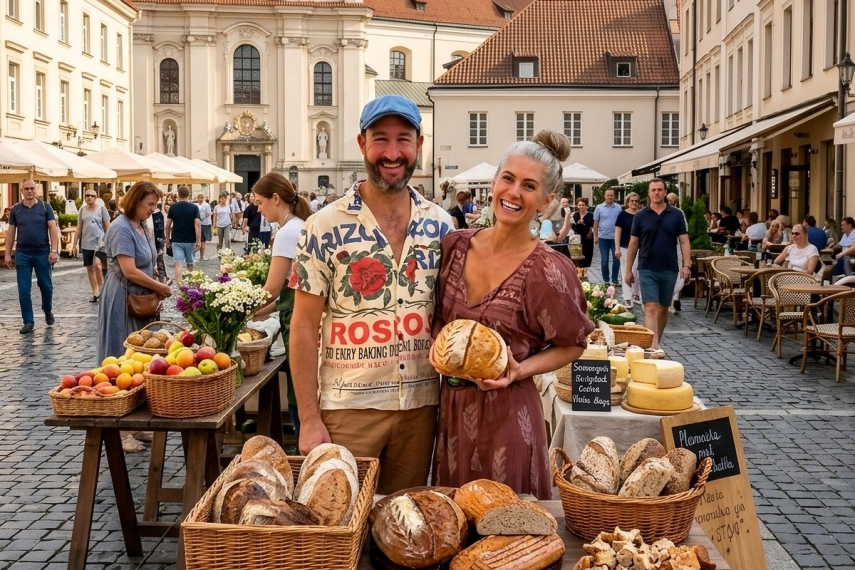
Photo: Aussie clients Georgie & Ben loved Gateway to Europe so much, they're moving to Vilnius later this year
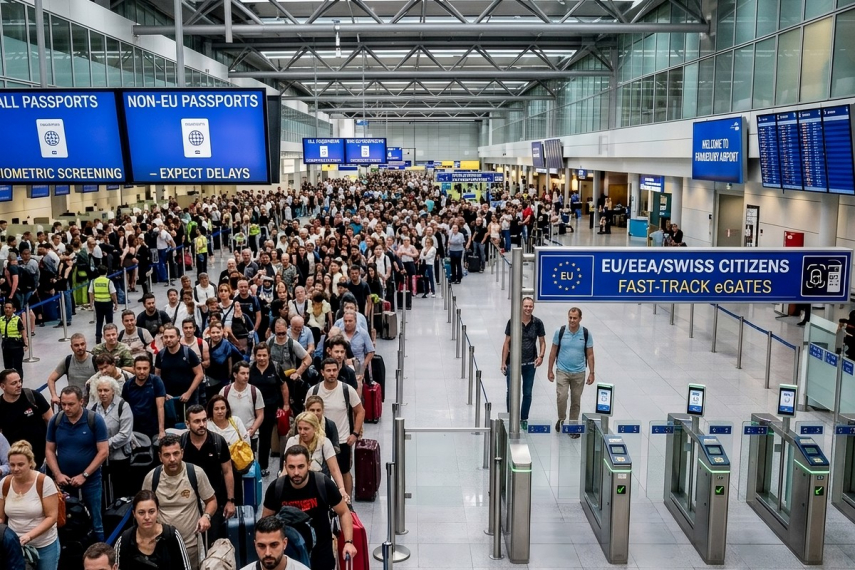
Photo: An EU residency, through Gateway to Europe, gives access to the
A “Gateway to Europe” in the Baltics - and why Lithuania’s selective approach to residency is exactly how you grow an economy.
Donna and Chris were looking forward to their time again in England as they queued at immigration at the ferry terminal in France.
Retired from professional careers in Australia some time ago, they’ve travelled the world for 15 years looking after houses and pets while the owners were on holiday. Having moved between Europe and the UK regularly, they expected no trouble. This time they were deemed to be “working” without the appropriate (work) visa, separated, held in detention cells for hours, and sent back to Europe - where their 90-day visitor visas had just days remaining.
“Our world was crashing in on us and we thought we may have to go all the way back to Australia to reset,” said Donna.
They got back in touch with Baltic Capital Partners. Within four weeks, they had each obtained multi-year residency permits.
We Know Exactly How They Felt
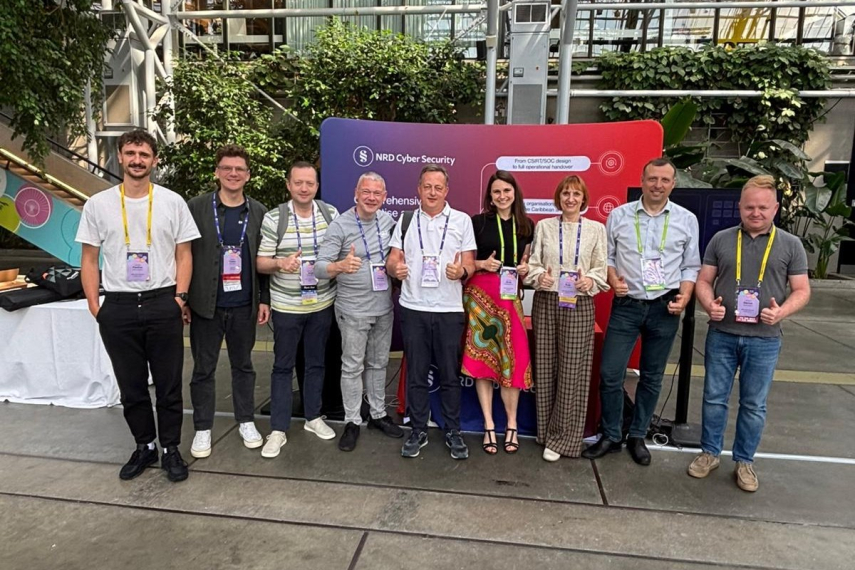
Our CEO, Aaron Banks, made this journey himself. Arriving from New Zealand, he found endless forms, queues and conflicting advice - and nobody offering a simple, premium service that just took care of it all. So he built one.
Having fallen in love with Lithuania, he decided to headquarter BCP in Vilnius. Though our Gateway to Europe programme, we do the heavy lifting, end to end – to make the move easy, and fun. Donna and Chris’s story is one of hundreds since then – and it points to a much bigger shift.
Europe’s Doors Are Steadily Closing
Across Europe, migration and border rules are tightening. The EU’s new Entry/Exit System replaces passport stamps with fingerprints and facial scans, and airports in France, Spain and the Netherlands have already seen hours-long queues as it’s phased in. ETIAS will soon require travellers from visa-exempt countries – including Australia and New Zealand - to obtain online pre-authorisation before flying.
Admission criteria have hardened too: higher financial thresholds, tighter family reunification rules and more restrictive work visa frameworks. And the era of the “Golden Visa” is ending, with Portugal, Spain, Malta and Ireland winding back investment-based residency under pressure from the European Commission.
The direction is clear: more screening, more data, more restrictions on who may enter and on what terms.
Is Lithuania Being Selective? Yes, and That’s the Point
Against this backdrop, Lithuania is doing something quietly clever. Rather than slamming its doors or flinging them open, it’s choosing who it welcomes.
Lithuania maintains what is we call a “preferred passport list” – trusted nationalities, including Australia, New Zealand, the US, Canada and the UK, whose citizens enjoy a smoother, faster path to residency, without minimum investment amounts, mandatory property purchases or pre-approved employment categories.
This is selectivity, not exclusion. By focusing on nationals of stable, like-minded countries - people who arrive with capital, skills and a genuine commitment to the region - Lithuania filters for the newcomers an economy needs, while the rest of Europe builds queues and quotas. And it’s not just the Lithuanian Government that is selective. As our founder and CEO Aaron Banks puts it: “By choosing not to work with everyone, we ensure a great fit in culture and a 100% success rate.”
The practical difference is enormous. Where residency schemes elsewhere take many months to several years, we can often achieve full EU residency for qualifying applicants in under a month.
Selective Migration Is an Economic Strategy
This is part of a playbook that’s made Lithuania one of the EU’s standout performers. GDP per capita has climbed from roughly a third of the EU average in the mid-1990s to about nine-tenths today, overtaking several older member states. Vilnius has become one of Europe’s leading fintech hubs, and the talent pool is hardworking, young, multilingual and digitally fluent.
Every entrepreneur or investor who relocates here brings capital, creates jobs and adds to that momentum. Be selective about who comes in, make the process fast and predictable, and investment, GDP and national wealth compound – while larger economies tie up applicants, and their capital, in multi-year backlogs.
Bridging Two Sides of the World
For Australians and New Zealanders, demand for a European base has never been higher - just as the traditional routes have never been harder. Lithuania offers EU membership, eurozone stability, low operating costs and a government that wants the right people to come.
Through mygatewaytoeurope.com, BCP has made the bridge effortless: residency, holding companies, bank accounts, registered addresses and tax structuring, in one place, run by people with shared culture and values who have sat on both sides of the journey.
Aaron Banks concludes: “The era of simple residency-by-investment and lightly monitored borders is fading. Lithuania has read that shift better than anyone - selective, fast and serious about growth. That is why we built our business here, and why our clients keep choosing us as their Gateway to Europe.”

Please enter your username and password.


2026 © The Baltic Times /Cookies Policy Privacy Policy