VILNIUS - Russian propaganda in July focused on discussions about the possible removal of a constitutional provision banning the deployment of nuclear weapons in Lithuania, military analysts said on Tuesday.
According to analysts, Kremlin officials issued threats against Lithuania, claiming that deploying nuclear weapons on NATO's eastern flank would prompt a Russian response. Russian propaganda also sought to intimidate the Lithuanian public with claims that the Baltic states are approaching World War Three and that Lithuania could face the same fate as Ukraine.
Military experts said Russia is expected to keep the nuclear issue active to stir public discontent and disrupt defence policy decision-making. In early July, the Seimas began considering a proposal to remove the relevant clause from the Constitution. Currently, the Constitution prohibits the deployment of weapons of mass destruction and foreign military bases on Lithuanian territory.
The Lithuanian military also reported an ongoing hostile information campaign alleging active NATO involvement in organising Ukrainian drone attacks. It said Ukrainian drone strikes against targets in the Leningrad region had triggered claims that Kyiv had been granted access to Baltic airspace or military infrastructure.
Military analysts said such messaging aims to convince the Russian public that the country is at war with NATO, thereby justifying failures in defending against Ukrainian drone strikes.
In July, Russian propaganda also focused heavily on the NATO summit in Ankara. The Alliance was depicted as aggressive, seeking Russia's strategic defeat and escalating the conflict. It was also claimed that support for Ukraine is dividing NATO and that Western societies are no longer interested in providing financial aid to Kyiv.
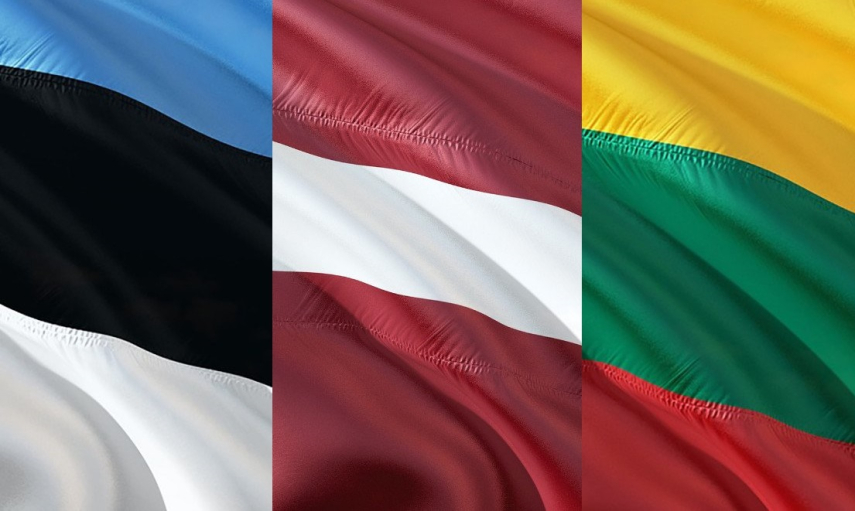
Additionally, Russia continued to spread claims about the alleged discrimination of Russian speakers in the Baltic states, accusing Lithuania of Russophobia and attempts to politicise the fields of sport and culture.

Please enter your username and password.

2026 © The Baltic Times /Cookies Policy Privacy Policy