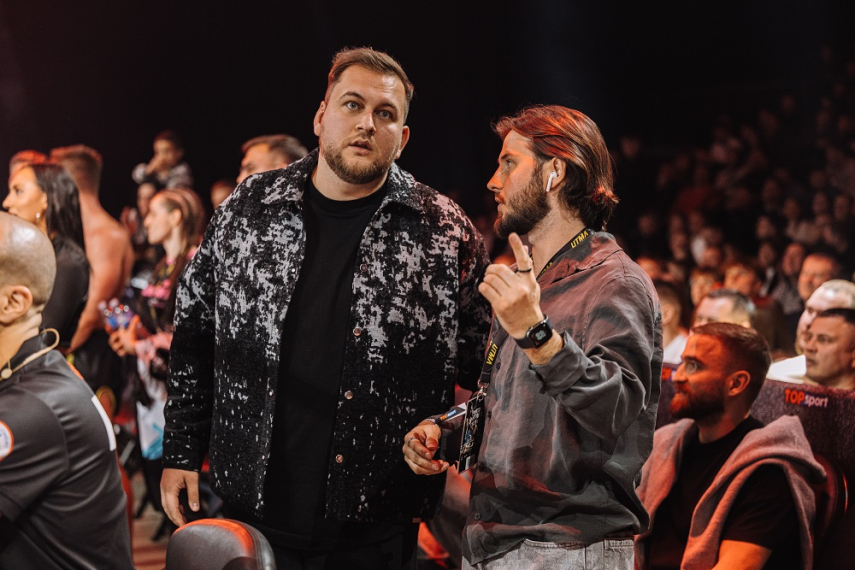
Photo: Viktoras Gecas is founder and head of the martial arts organisation UTMA (Unique and Talented Martial Artists)

Photo: Viktoras Gecas is founder and head of the martial arts organisation UTMA (Unique and Talented Martial Artists)


Viktoras Gecas, founder and head of the martial arts organisation UTMA (Unique and Talented Martial Artists), and his team are preparing for the organisation’s biggest tournaments this autumn. UTMA 19 will take place at Kaunas’ Zalgirio Arena at 7pm on September 26, with star fighters Sergejus Maslobojevas and Dominykas Dirkstys meeting in the main event. On October 24 at 7pm, UTMA will welcome fans to Arena Vilnius. Gecas spoke to The Baltic Times about the organisation’s business model and its planned expansion beyond Lithuania.
The popularity of UTMA tournaments in Lithuania has grown very rapidly. How do you explain this success beyond the conventional answer that “a lot of work has gone into it”? Which figures are particularly important to you?
By believing that sport can grow in this country, because that is the global trend. Combat sport is one of the world’s most dynamic sports, and UTMA’s success merely demonstrates that we are engaging more and more people who are beginning to take an interest in combat sport.
How has UTMA’s business model evolved since you began operating in 2022?
When we started, we knew nothing – we just tried things. After every attempt, we identified our mistakes and tried to become better and correct them. Over time, we grew into a large organisation.
Could you give us a glimpse behind the scenes at UTMA? Where does its revenue come from? What proportion comes from participation fees, sponsorship, broadcasts and merchandise sales? Which revenue stream is growing fastest?
UTMA generates its principal revenue directly from people – ticket buyers and live-stream viewers. That is why I have repeatedly emphasised that UTMA is an organisation belonging to the people of Lithuania.
Who did you learn from and draw experience from when establishing UTMA Group? Which countries and organisations do you now look to for inspiration?
I have always admired ONE Championship for its order and meticulous precision, but over time I have become a fan of Dana White and the UFC because I increasingly understand that this sports business is impossible without showmanship.
Presumably, as the owner of a successful business – and its principal shareholder – you receive requests for advice and consultation from similar organisations elsewhere?
All sorts of things happen, but private conversations should remain private.
What types of brands do you work with, and what is the average value of a sponsorship package for one UTMA tournament?
The general sponsor of the UTMA organisation is TOPsport. We work with various brands, while our agreements with entities purchasing advertising are confidential.
Organising major tournaments is complicated. What are the largest cost items, and how do you manage to remain profitable? When we met, you said that only tournaments staged at Lithuania’s largest venues – Kaunas’ Zalgirio Arena and Vilnius’ Twinsbet Arena – are economically sustainable and profitable. Is that correct?
Fighters’ fees – which are the highest in Lithuania – event servicing costs, production costs and broadcast security costs. I could go on and on, while the answers concerning our success are, of course, a commercial secret.
What specifically did you offer Lithuania’s best-known fighters – Stanionis, Maslobojevas and Dirkstys – to persuade them to join UTMA? How much does the winner of a UTMA tournament at Kaunas’ Zalgirio Arena receive?
We can offer, and do offer, consistency. This is one of the most important conditions in combat sport because athletes’ careers are very short, while consistency and a clear plan are among the most important components of a combat-sport career.
Are you considering expansion into the other Baltic countries? What has already been done towards that goal?
We are considering it, and we will have some specific news very soon.
With geopolitical hotspots such as Russia, Ukraine and Israel, you presumably have to tread very carefully when selecting partners and planning your activities. What is your “golden rule” in this respect?
We have repeatedly stated publicly that we support Ukraine in every possible way. For this reason, we have made the categorical decision not to accept fighters who compete or have competed there. However, as sporting trends show, Russians and Belarusians are increasingly returning to the global sporting arena. That is regrettable, but I would like to take this opportunity to express our support for Ukraine once again.
Do you devote sufficient attention to the social dimension of UTMA as a business model? Outside the ring and on social media, viewers and readers see the glamorous side of fighters’ lives. I have not heard stories about UTMA helping a promising athlete find their place in life and get back on their feet. Do you not think such stories are needed?
That is a good idea, and I have already shared it with the team.
Some members of the public and young people dislike the way fighters trade insults and make demeaning gestures before tournaments – behaviour that would be unimaginable in basketball, for example. What is your view? What do UTMA’s rules say about it?
UTMA’s rules are an internal organisational matter and are intended exclusively for fighters. The rules provide for penalties for inappropriate conduct. Everything else is part of the show, and, as I have said, showmanship is essential in combat sport. However, the right balance must always be maintained.
Where do you see UTMA Group in five years?
Expanded across Europe, with deep roots in Lithuania.
How many UTMA-affiliated sports clubs do you have in the country? On what basis do they operate?
UTMA does not affiliate sports clubs.
What has this business given you personally – as an individual, a businessman and a young man?
Patience. This business has clearly taught me that patience is essential if you want to achieve results.

Please enter your username and password.
2026 © The Baltic Times /Cookies Policy Privacy Policy