Photo: AI generated
A major match changes the city around it. A big game changes the streets around it. Hotels and restaurants get busier, while fans keep discussing the game on their phones after leaving the arena.
The phone has joined the crowd
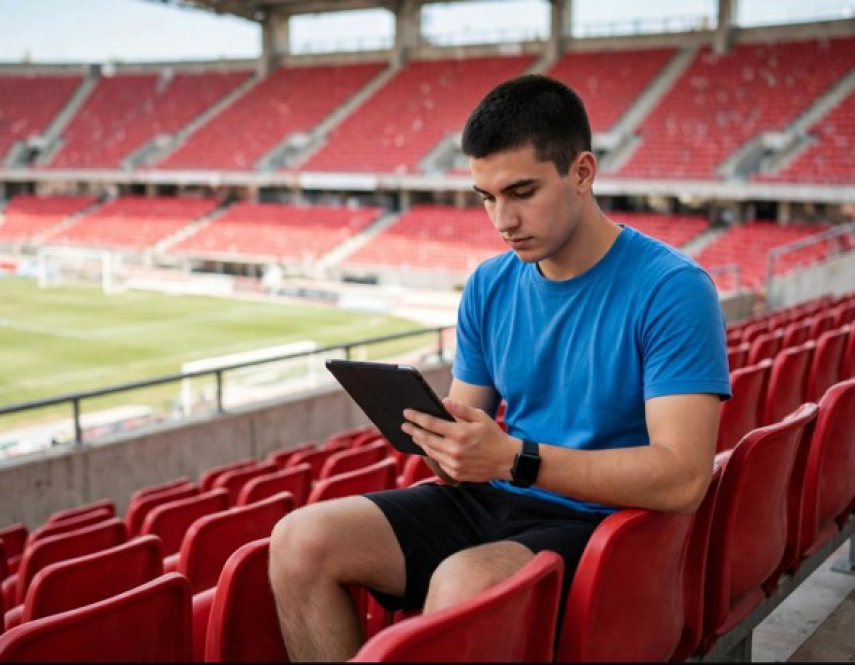
A fan in the stands may watch the court while checking player statistics, foul counts or results from another game. Someone at home can follow the same numbers beside a live broadcast.
During a long break, some adult viewers move from match statistics to other online entertainment. Casino games are available through Verdekazino.net, while fantasy picks and prediction games offer different ways to follow the sporting action. Once the players return, the live score usually becomes the main screen again.
- The official score and game clock.
- Individual player statistics.
- Tournament standings and upcoming fixtures.
- Short clips shared during breaks.
- Supporter reactions on social media.
- Post-match interviews and analysis.
мThis does not mean every screen deserves equal attention. During a close fourth quarter, the broadcast usually matters more than a stream of notifications, especially when every possession can change the result.
The extra data becomes useful during time-outs or half-time. A box score can reveal that a team leads despite poor shooting because it controls rebounds and avoids turnovers. It also shows which players are carrying most of the workload.
Riga saw the wider bill
Riga felt the tournament well beyond the arena. EuroBasket 2025 drew up to 180,000 spectators to Riga. Bellevue Park Hotel Riga sold out, while Lido served 10,000 to 15,000 more customers than a year earlier. The estimated economic impact on hotels and restaurants reached about €60 million. Fredis Bikovs, director of the Riga Investment and Tourism Agency, later said the figure matched what the city had seen during the event.
Tickets formed only one part of the spending. Supporters also needed flights, rooms, meals, taxis and places to meet before and after games.
One football match can fill a city
The 2018 UEFA Super Cup brought about 10,000 fans and 500 journalists to Tallinn. Hotels filled, restaurants took more bookings, and buses toward the stadium carried far more passengers than usual.
Enterprise Estonia put the extra sports tourism spending at about €5 million. Many visitors arrived by air, stayed in Tallinn and spent money beyond the stadium.
The match also travelled through television coverage, club accounts and posts from players. A host city received attention from people who never entered the stadium.
The event continues after everyone leaves
Sports organisations now plan for two audiences. One buys a seat, while the other follows scores, clips and commentary from elsewhere.
Media rights, sponsorships and digital subscriptions can extend the commercial life of a tournament. A two-hour game may produce several days of interviews, tactical breakdowns and short video clips.
Local businesses gain another chance to reach visitors during that period. A restaurant near the venue can promote a match menu, while a hotel may package accommodation with transport information and late check-out.
Baltic cities do not need weekly global finals to benefit. A well-run international event can fill rooms, bring new customers into local venues and give fans reasons to keep spending after the arena lights go out.
Merchandise moves beyond the venue
Team shirts and event souvenirs no longer depend entirely on stadium shops. Fans often browse official collections before travelling, then order items later after seeing them worn in the stands. Limited tournament designs can keep selling after the final game, especially when photographs and highlights continue circulating online.
Sponsors use the same extended window. The sponsor’s name may appear on the warm-up kit, beside a replay, or behind the player answering questions after the match. A local partner may reach visitors during the event, then stay visible through match recaps shared days later. For organisers, that longer exposure can make sponsorship more valuable than a logo seen only inside the arena.

Please enter your username and password.
2026 © The Baltic Times /Cookies Policy Privacy Policy