
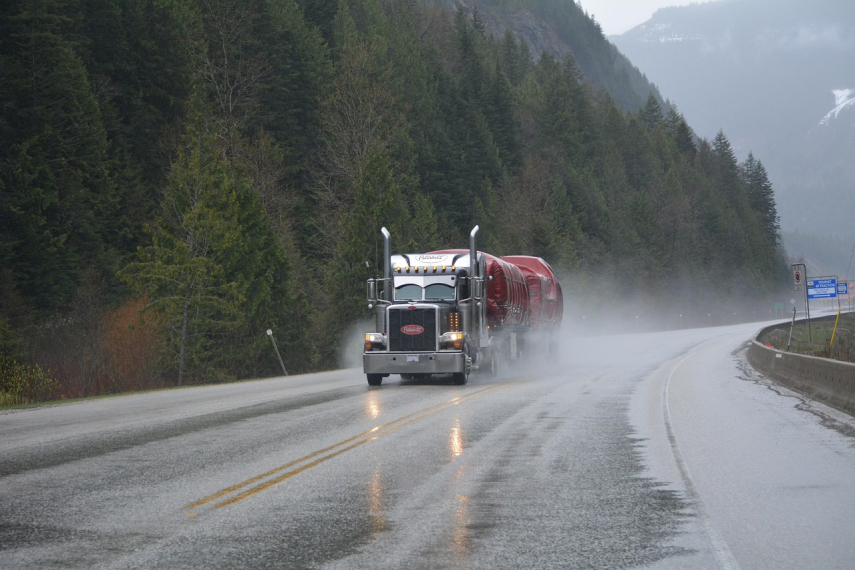
Photo: rmpublishing from Pixabay
Traffic can go from highway speed to nearly stopped without much warning. In a passenger car, that's already uncomfortable. Now picture the same situation from the cab of a fully loaded tractor-trailer, where the vehicle behind those brakes may weigh many times more than the cars lined up ahead.
That size changes the stakes. A truck driver still needs time to recognize the slowdown, react, and begin braking, but the vehicle also needs enough road to actually come to a stop. When traffic leaves little room for either, the distance between the truck and the cars ahead can disappear frighteningly fast.
That's part of what makes 18-wheeler accidents so serious. Commercial trucks aren't simply oversized cars. Their weight, length, handling, and stopping needs can turn an ordinary traffic problem into something much harder to escape.
Heavy Trucks Need Room to Slow Down
Brakes don't make a vehicle stop the instant they're applied. First, the driver has to notice the hazard and react. During those moments, the truck keeps traveling forward. Only then does the braking itself begin, and a large commercial vehicle may need considerable distance before it stops.
Weight is an important part of that equation. A heavily loaded truck carries substantial momentum, and safely slowing all that mass takes time and space. Speed matters enormously too. The faster the truck is traveling when a problem appears, the harder it becomes to bring everything under control within a short stretch of roadway.
Conditions can stretch that distance even farther. Wet pavement, poor tire traction, downhill grades, and other road conditions may make stopping more difficult. That's why following distance is so important. Extra space gives the driver something incredibly valuable when traffic suddenly changes: time.
Size Creates Problems Even When Nobody Is Braking
Stopping distance gets plenty of attention, but the challenges of driving a tractor-trailer don't end there. Large trucks have substantial blind spots around the vehicle, which can make nearby cars difficult for the driver to see, particularly during lane changes or merging.
Turns require more planning too. A long truck may need additional space to complete a turn, and the trailer doesn't necessarily follow the exact path of the tractor. Drivers nearby can be caught off guard if they assume the truck will maneuver the same way a passenger car does.
The trailer itself adds another moving piece. Sudden steering or loss of control can cause it to move in ways that affect neighboring lanes. These vehicles are longer, heavier, and less nimble than ordinary cars. Safe operation depends on recognizing those limitations rather than expecting the truck to respond like something much smaller.
Serious Crashes Rarely Have Just One Possible Cause
Sometimes the explanation appears straightforward. A truck was traveling too fast for traffic conditions and couldn't stop when vehicles ahead slowed. Other crashes require a closer look because several smaller problems may have combined before the impact occurred.
Fatigue and distraction can reduce the time available to react. Speed can leave less room to recover once a danger appears. Maintenance problems involving brakes or tires may affect how the truck responds, while poorly distributed or shifting cargo can make handling more difficult.
Driver decisions matter throughout the trip as well. Following distance, lane changes, braking, and adjusting speed for weather or congestion can all influence whether a difficult situation becomes a collision. That's why identifying one obvious factor doesn't necessarily end the investigation. A serious truck crash may have several contributing pieces that only become clear afterward.
The Investigation Can Reach Far Beyond the Road
A commercial truck can generate records that don't normally exist after an ordinary car crash. Electronic logging devices may contain information related to driving time, while onboard systems can potentially provide other details about the truck and its operation around the time of the collision.
Maintenance and inspection records can help answer questions about the vehicle's condition. Cargo documents may show what the truck was carrying and provide information relevant to loading or weight. Company records and policies can add context about how the trip was planned and managed.
That means the driver may be only one part of the investigation. A trucking company, maintenance provider, loading operation, equipment owner, or another party could become relevant depending on what actually contributed to the crash. Reconstructing the event can require connecting roadway evidence with records created long before the vehicles ever collided.
Conclusion
A fully loaded commercial truck brings very different physics onto the highway than a passenger vehicle. It needs room to slow, space to maneuver, and a driver who recognizes how quickly traffic conditions can change. When that margin disappears, the consequences can be severe.
The challenge isn't limited to weight either. Blind spots, wide turns, cargo, equipment condition, driver fatigue, and other factors can all influence how safely a truck moves through traffic. Preventing crashes requires attention to the entire operation, not just what happens during the final few seconds.
When a serious collision does occur, that same complexity makes careful investigation important. Vehicle data, maintenance records, driving information, cargo documents, physical evidence, and company practices can each reveal another piece. With a vehicle this large, understanding what happened often means looking well beyond the point of impact.

Please enter your username and password.

2026 © The Baltic Times /Cookies Policy Privacy Policy