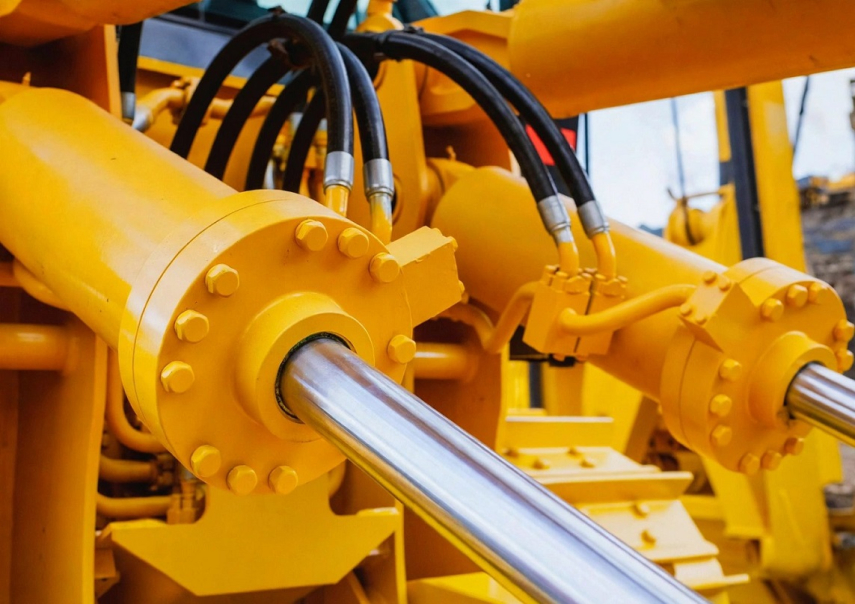
Photo: AI generated
Hydraulic cylinders depend on stable fluid pressure to create controlled force and precise motion. A sudden pressure change can reduce output, slow machine cycles, or place extra stress on seals and internal parts. Early fault detection helps protect equipment from severe wear and costly downtime.
Some pressure faults need a basic system adjustment, while internal damage may call for professional hydraulic cylinder repair. Correct diagnosis matters because similar symptoms can arise from separate faults across the cylinder, pump, valve, or fluid circuit. This article covers four common pressure problems, their likely causes, and practical steps that can restore dependable operation.
1. Low Pressure Under Load
A cylinder may move without a load yet lose force once resistance rises. Common causes include worn piston seals, a weak pump, low fluid volume, or an incorrect relief valve setting. Internal leakage can also let oil pass across the piston instead of the direct full force toward the rod.
A pressure test at the cylinder ports can help isolate the fault. If the pump supplies proper pressure but the cylinder cannot hold force, worn seals or barrel damage may exist. A qualified repair shop can inspect the bore, piston, rod, and seal surfaces for faults that routine checks may miss.
2. Pressure Drops and Internal Leaks
Pressure that falls after the control valve returns to neutral can point to internal bypass or external fluid loss. A worn piston seal may allow oil to cross from one chamber to the other, which can cause rod drift. Damaged valve seats, loose fittings, and cracked hoses can produce similar symptoms.
Key checks include:
- Inspect hoses, ports, fittings, and gland areas for fluid traces.
- Place the cylinder under a safe static load and track the rod movement.
- Compare pressure on each side of the piston through proper test ports.
- Check oil condition for dirt, metal particles, or seal fragments.
3. Pressure Spikes From Sudden Loads
Sharp pressure peaks can occur when a heavy load stops too fast or reaches the end of its stroke at excessive speed. These peaks can damage seals, bend rods, distort barrels, or place high stress on mount points. An incorrect relief valve setting may make the problem worse.
System controls should match the load, stroke speed, and cylinder capacity. Flow controls, cushions, accumulators, and correctly set relief valves can help reduce shock forces. Rod alignment and mount condition also deserve review because side loads can amplify stress at peak pressure.
4. Pressure Loss From Worn Components
Long service periods can wear piston seals, rod seals, wear bands, glands, and barrel surfaces. Surface scores or an out-of-round bore may prevent new seals from holding pressure for long. A bent or damaged rod can also harm the gland and cause repeated leakage.
Professional hydraulic cylinder repair offers a complete assessment when pressure loss returns after basic maintenance. A repair specialist can disassemble the unit, measure critical parts, restore damaged surfaces, replace seals, and test the cylinder under controlled pressure. Such work proves especially valuable for large-bore, welded, tie-rod, telescopic, mill-type, and heavy-duty units.
Hydraulic pressure faults deserve a full review rather than a quick seal change based on symptoms alone. A careful repair plan helps restore force, protect related components, and reduce the chance of repeat failure. Professional support also adds value when a cylinder has internal wear, structural damage, or an unclear service history. Precise machine work and final pressure tests can confirm that each restored part meets the demands of its application. Timely action keeps hydraulic equipment productive, controlled, and ready for dependable service.

Please enter your username and password.


2026 © The Baltic Times /Cookies Policy Privacy Policy