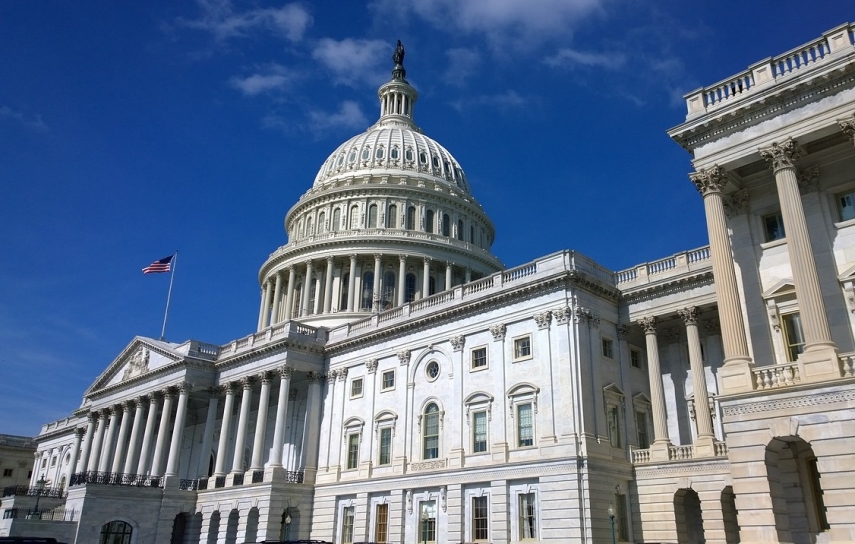
HERE WE GO AGAIN: the regular round of flag waving is set to increase tensions.
RIGA 's March 16 will see tensions rising in Riga after the city councilMeetings, Demonstrations and Pickets Committee authorized an annual marchcommemorating the Latvian Legionnaires, soldiers who fought in Waffen SS unitsfor the Germans during the Second World War.
Permission to hold a commemorative event on March 16 has been given to DaugavasVanagi (Daugava Falcons), a patriotic organization founded by exiled Latviansafter the World War II, including veterans. This year's march will follow itstraditional route from the Freedom Monument to Dome Cathedral, commencing at 11o'clock and followed by a church service.
Riga City Council executive director Andris Grinbergs said that additionalmarch applications received from left-wing opponent Jurijs Kotovs and radicalnationalist Igors Siskins, had been refused. He did not rule out thepossibility that unauthorized marches might take place, raising the possibilityof violent clashes between pro- and anti- demonstrators.
Siskins vowed that he would join the main march, saying, "These eventswill be held as long as Latvian land is trodden by hostile boots."
The Latvian antifascist committee was forbidden to organize acounter-demonstration due to security reasons.
Vladislavs Rafalskis from For Human Rights in United Latvia party said thatthe main aim of applying for a permit to march was to focus attention on theidea that marches, including the main parade itself, should not be permitted.
Last year five public events, organized both by supporters and opponents ofthe legionnaires, were held in downtown Riga on March 16, and a dozen of peoplewere arrested.
The annual commemoration of Latvian Legionnaires is guaranteed to drawcriticism from around the world, with many people expressing shock that membersof Waffen SS units should be so honored. However, few critics realise thatbecause only 'racially pure' Germans were allowed to join the Wehrmacht (GermanArmy), Baltic volunteers and conscripts fighting against the occupation of the RedArmy were formed into local SS units with a separate structure and chain ofcommand.
Around 140,000 men were called up to form the Latvian Legion and about50,000 of them died in the war or deportations following the reimposition ofSoviet rule.
Denunciations by Russia, Israel and other countries are likely in the daysleading up to March 16.

Please enter your username and password.
2024 © The Baltic Times /Cookies Policy