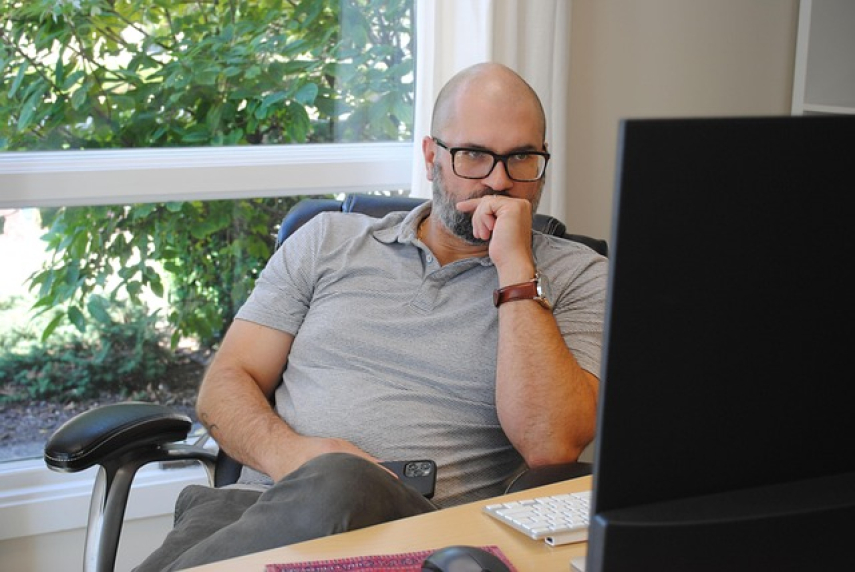
Photo: Viralyft from Pixabay
Instagram research does not need to begin with complicated dashboards or oversized reports. In many cases, the most useful information is already visible on a public profile. Followers, following activity, story behavior, profile changes, captions, comments, and posting rhythm can help a business, creator, or researcher understand what kind of attention an account is attracting.
Public signals are useful because they keep the research grounded. They do not require private access, they do not depend on hidden data, and they help people study visible behavior before making bigger assumptions. For small teams and individual creators, that simple starting point can prevent overthinking and save time.
Public Signals Give Research a Safer Starting Point
Public Instagram data works best as a first layer of research. It can show who engages, what content receives attention, when people respond, and whether a profile is attracting the right type of audience. A public signal does not explain every motive, but it can show where a closer look makes sense.
For story related research, a resource such as an instagram story viewer can fit into a wider habit of studying visible Instagram activity with less friction. Recent Follow presents its story viewer as a way to view public Instagram stories anonymously, which can be useful when someone wants to observe content without turning the visit itself into part of the profile activity. The point is not to overread one story, but to place story content beside followers, comments, and recent changes.
This kind of research is especially useful when the question is narrow. A creator may want to know whether tutorials bring more relevant followers than lifestyle posts. A local brand may want to know whether a weekend campaign brought nearby users to its page. Public signals can help answer those questions without building a complex process first.
What Counts as a Public Signal
A public signal is any visible detail that helps explain how an account behaves or how people respond to it. It may be small on its own, but several small signals can form a useful pattern. The mistake is treating one detail as the full answer.
Useful public signals include:
1. New followers after a post, story, event, or promotion.
2. Changes in following activity that suggest new interests or partnerships.
3. Comment quality, not only comment count.
4. Story themes and posting frequency.
5. Bio updates, link changes, pinned posts, and content shifts.
6. Repeated engagement from the same types of accounts.
These signals are not private secrets. They are visible parts of the public account experience. When researchers begin there, they are less likely to chase vague conclusions and more likely to notice what is actually in front of them.
Reading Audience Behavior Without Overbuilding the Process
A simple research process can be enough. The observer chooses one question, checks the visible profile details connected to that question, records what changed, and compares those changes with recent content. That sounds plain, but it is often more useful than collecting too much information with no clear reason.
The key is timing. If a new reel is published on Monday and relevant followers arrive on Tuesday, that timing may matter. If a story sequence gets replies from local customers, that may point toward a topic worth repeating. If a profile gains random followers after a broad trend post, the creator may need to decide whether that attention matches the account’s long term direction.
Example 1: A Local Café Checks Post Response
A small café posts a short video showing a new breakfast special. The post is simple, but it includes the neighborhood name, opening hours, and a clear visual of the meal. Over the next two days, the café notices several new followers from nearby residents, local food pages, and a few office workers from the same area.
That information gives the café a practical clue. The video did not only get views. It attracted people who could realistically visit. The owner can then compare the follower change with walk ins, messages, and orders to see whether the post helped bring local attention.
Example 2: A Creator Studies Story Interest
A fitness creator shares three stories about beginner mobility exercises, then follows with a regular workout reel. The reel gets more likes, but the stories bring more profile visits and new followers from accounts that appear interested in beginner fitness. That difference matters.
The creator may learn that polished reels build reach, while practical stories build trust. Instead of choosing one format blindly, the creator can use both with different goals. Public signals help separate surface attention from useful audience movement.
Turning Observations Into Better Decisions
Public signals become valuable when they change what someone does next. A business may post more local content after seeing that neighborhood users respond. A creator may build a series around the topic that brought the strongest new follower pattern. A researcher may decide that an account’s visible audience does not match its claimed positioning.
The work should stay careful. A new follower does not prove loyalty. A story view does not prove intent. A comment does not always represent the wider audience. Public signals are better used as evidence for questions, not as final answers by themselves.
Keep the Question Narrow
Broad questions lead to weak research. “Is this account successful?” is too vague. “Did the recent product post attract local followers?” is easier to study and easier to answer.
A narrow question also protects the research from bias. The observer knows what to look for before checking the profile. That makes the final reading cleaner because the person is not collecting random details to support a guess.
Avoid Turning One Signal Into a Conclusion
One public signal can start a useful question, but it should not end the research. If a brand gains new followers after a campaign, the campaign may have helped. It may also be connected to a mention, a shared post, a trend, or a seasonal spike.
The better approach is to compare signals. New followers, profile changes, story topics, comments, and timing should be read together. When several visible details point in the same direction, the conclusion becomes more useful.
The strongest lesson is that public Instagram research is not only about gathering data. It is about learning to notice sequence, context, and relevance before adding more complexity. Public signals give researchers a practical first map, and in many everyday cases, that map is enough to make the next decision smarter.

Please enter your username and password.


2026 © The Baltic Times /Cookies Policy Privacy Policy