TUR is pleased to present new work by artist Oto Holgers Ozoliņš in the solo exhibition “Artifacts of Process” opening at TUR on January 7th at 18:00. Running through February 7th, the exhibition will continue to evolve in a process driven exploration of discipline and ritual.
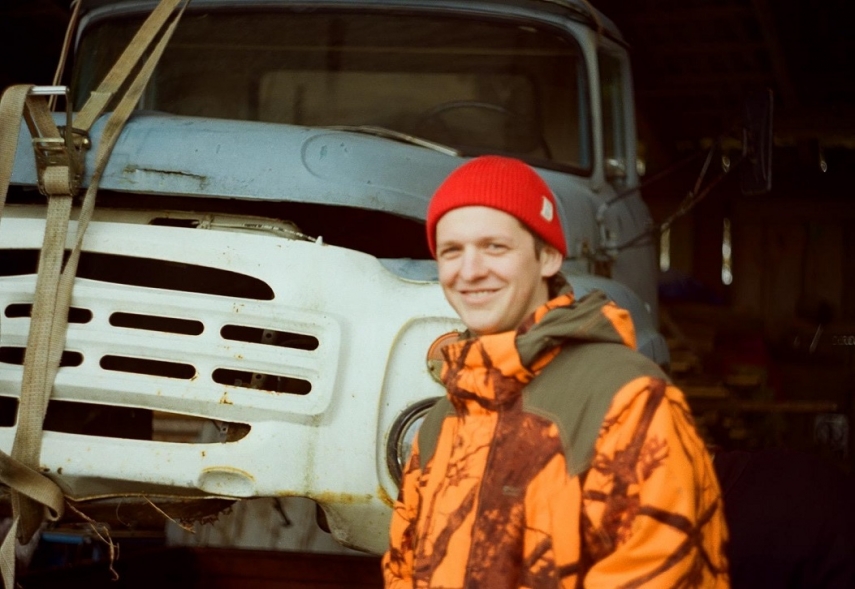
For “Artifacts of Process” Oto Holgers Ozoliņš is constructing a structure atop the cabin of a ZIL-130 truck chassis. Although stationary, it is built as if it could be hauled from place to place, a playful nod to mobility and displacement and a continuation of Ozoliņš’ exploration of structure as both a constraint and catalyst. Inside the structure is clinical, a deliberate reference to the conventions of the white cube gallery. It is also a functional shelter with a stove providing ample heat for the structure.
Ozoliņš’ practice is rooted in process-based sculpture, where personal growth and the countering of idleness are central. During the lockdown, he carved a wooden spoon each day for 400 consecutive days, a project that led to his first solo exhibition. This disciplined, habit-building approach has since expanded into attempts to build a boat, quit smoking, run a marathon, and complete an Ironman triathlon. Each endeavor transforms his understanding of how form can emerge from repetition and constraint. For this exhibition, he extends this inquiry, turning the act of foraging for wood into a daily ritual and artistic score and exploring how it can be placed into the context of “the exhibition.”
Beginning just before the exhibition opens and continuing throughout its run, Ozoliņš will forage the streets of Riga for wood to burn in the stove. Foraging is a deeply Latvian practice, usually associated with gathering mushrooms or berries in the forest. Here, he transposes the ritual to the city, transforming the act into a performance of survival. Instead of food, he gathers fuel, extracting from the urban environment what is needed to sustain life and art.
The interior of the cube references the white cube gallery. The stove, both utilitarian and sculptural, anchors the space. Visitors enter from the back, where a large plywood "canvas," hangs on the wall. On this surface, Ozoliņš traces the outline of each piece of wood before it is burned, creating an abstract, evolving drawing. Another drawing is a map that documents the locations where the wood is found and the routes taken, blending aesthetic quality with abstract information. On the window ledge, a glass jar holds water and a sprouting onion, a childhood memory for Ozoliņš, and a symbol of renewal and patience. While the stove consumes wood for heat, the onion grows slowly, offering a visual and conceptual counterpoint: one process destroys to sustain, the other nurtures to grow. Nearby, the instructions Ozoliņš follows are displayed in the style of museum text, framing his discipline as both score and artifact. This presentation echoes his earlier works, where process and documentation become inseparable from the final object.
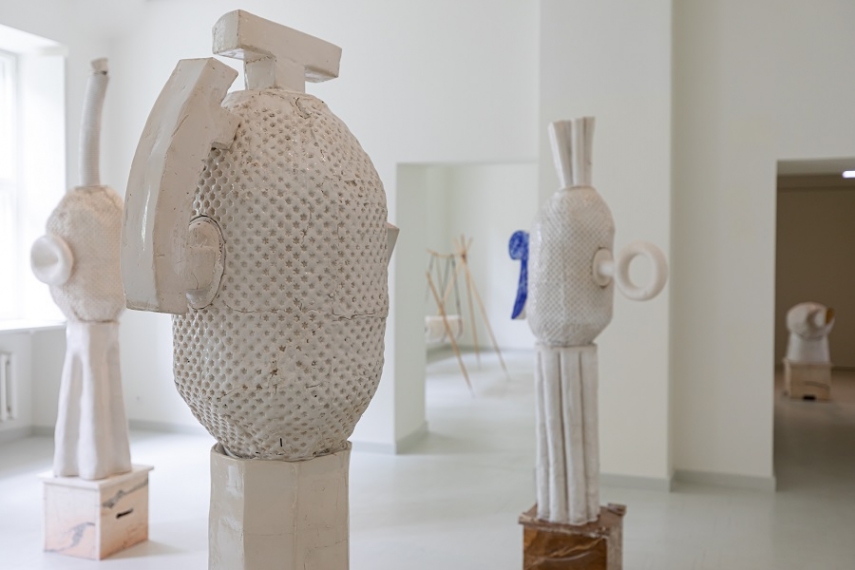
From wood foraged within TUR itself, leftover material from past projects, and fragments of the ZIL-130 chassis, Ozoliņš will fashion small sculptures. These works are made only after the fire is lit and the day’s tasks are complete. By adhering to his self-imposed rituals, he creates the conditions for his own artistic practice. The sculptures, presented on the cube’s exterior, re-enter the broader exhibition space of TUR as part of the "Exhibition Edition", a series of works priced under 100€, each a tangible byproduct of his sustained process and a testament to his belief in art as an act of sustained attention.
Curator: Edd Schouten
Project Manager: Kristīne Ercika
Production Manager: Ada Ruszkiewicz
Graphic Design: Andris Kaļiņins
About TUR
TUR is a contemporary art space shaped by an exchange between artists, curators, and the space itself. Located in a large, cube-shaped area within a post-industrial building, TUR’s exhibitions are not imposed upon the space but emerge from a dialogue with its raw materiality, its scale, light, textures, and evolving conditions. Rather than treating the space as a neutral container, TUR invites artists to engage with it as a collaborator, highlighting a practice of attentiveness and reciprocity.
This approach reflects a broader ethical stance: a rejection of the impulse to dominate or neutralize one’s surroundings which is an impulse long embedded in human attitudes toward land, architecture, and ecology. In contrast, TUR’s curatorial model cultivates sensitivity to context, memory, and form. It proposes that to work with a space is also to listen to it, to acknowledge its histories and its material voice. In this way, TUR’s practice aligns with anti-colonial thinking, a practice of care, refusal, and reorientation.
TUR’s annual program follows a seasonal rhythm: three solo exhibitions in winter, three in summer, and a collaborative group exhibition with a partner European art space from outside of Latvia each autumn. This cycle mirrors the changing atmosphere of the space: introspective and stark in winter; open and expansive in summer; and a Fall exhibition that offers a moment for reflection and international exchange. TUR emphasizes long-term collaboration with artists, from early conceptual stages to final presentation and public engagement. The program incorporates interdisciplinary formats such as artist talk-concerts and other events that open new modes of encounter and understanding.
Since 2024, TUR has deepened its commitment to international dialogue. An artist-in-residence program invites artists to spend time in Riga to research and develop new work and in conversation with TUR and the wider artistic community. TUR also seeks to promote Latvian artists and the thriving Riga art scene by participating in at least one international art fair each year. These outward-facing initiatives form part of a broader strategy to strengthen cultural ties, expand artistic networks, and affirm Latvia’s dynamic presence within the European art landscape.
The exhibition is supported by VKKF

Please enter your username and password.

2026 © The Baltic Times /Cookies Policy Privacy Policy