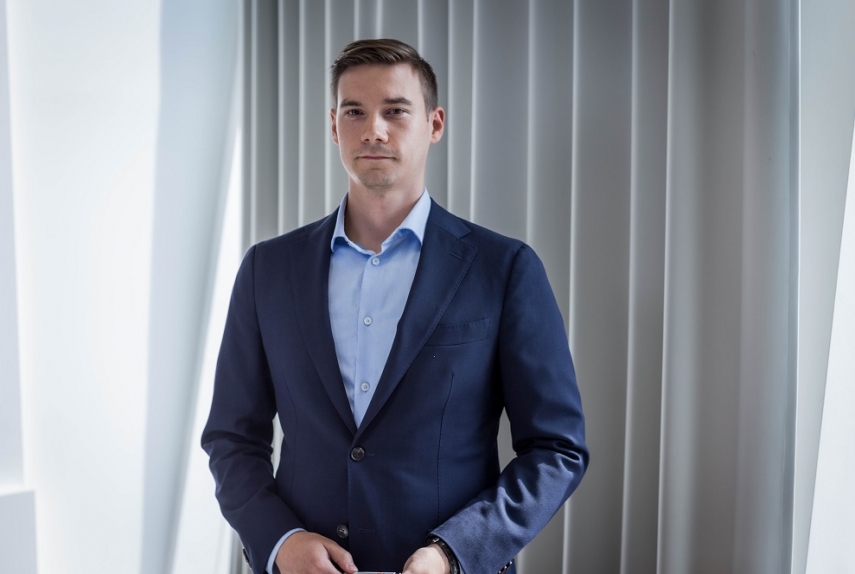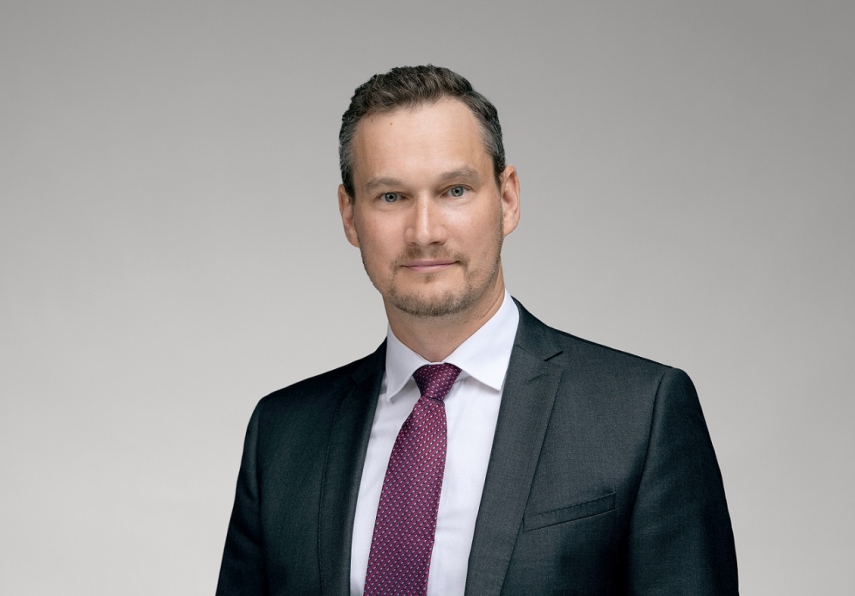
Photo: Tobias Kohler, Partner, Attorney-at-law, RÖDL Lithuania

Photo: Alice Salumets, Partner, Attorney-at-law, RÖDL Estonia

Photo: Inese Lazdupe, Partner, Attorney-at-law, RÖDL Latvia
Tobias Kohler, Partner, Attorney-at-law, RÖDL Lithuania
Alice Salumets, Partner, Attorney-at-law, RÖDL Estonia
Inese Lazdupe, Partner, Attorney-at-law, RÖDL Latvia
In today’s rapidly evolving security environment, Baltic businesses face challenges that go far beyond traditional operational and financial risks. From cyber threats to regulatory changes related to defence funding, companies across Lithuania, Latvia, and Estonia are increasingly expected to demonstrate resilience, governance, and robust compliance. Becoming a “defence-ready enterprise” is no longer optional - it is essential for business continuity, credibility, and competitiveness.
Understanding the new risk landscape
The Baltic region’s strategic importance has only intensified following the Russian invasion of Ukraine and the subsequent security realignment in Europe. Governments in the region have signalled and implemented significant increases in defence spending and have adopted measures to channel additional revenue into national defence programs (including temporary levies, excise components, and other funding measures). These fiscal moves, together with stronger NATO posture and expanded EU defence initiatives, mean companies must pay closer attention to how national security priorities affect regulation, public procurement, and cross-border trade.
Changes in policy, evolving export controls, and new sanctions packages can influence suppliers, contracts, and market access, so organisations must assess strategic, legal, and operational implications proactively.
“We are witnessing a shift where corporate compliance and national security are increasingly interlinked,” says Alice Salumets, Partner, Attorney-at-law at Rödl Estonia. “Companies that used to view security as solely a state matter must now assess how their governance, supply chains, and digital infrastructure align with defence and resilience objectives,” adds Ms. Salumets.
Governance: building a robust foundation
Strong corporate governance is the backbone of a defence-ready enterprise. It ensures accountability, strengthens stakeholder confidence, and enables timely decision-making in high-pressure scenarios. Baltic companies can strengthen governance by establishing board oversight for security and compliance, implementing effective Compliance Management Systems (CMS) including a legally compliant anti-money-laundering (AML) process, transparent reporting mechanisms, and incorporating defence-related regulatory trends into strategic planning. These measures are necessary for all companies, but especially critical for companies engaged in dual-use technologies, cybersecurity, or critical infrastructure, where lapses can have national-level consequences.
Rödl provides multidisciplinary advisory support to help translate governance principles and legal requirements into operational practice. This includes aligning board and executive oversight with compliance workflows, improving contract governance for high-risk suppliers, implementing and applying IT-based risk-detection applications and risk-scoring procedures and embedding regular compliance checks into strategic planning.
“Defence readiness begins with governance,” says Tobias Kohler, Partner, Attorney-at-law at Rödl Lithuania. “Boards and executives need to treat compliance and security oversight with the same strategic attention they give to financial performance. Risk of liability – even in cases of negligence – extends not only towards shareholders, the company, and contractors, but also includes potential criminal liability for management and acting individuals. Implementing an effective Compliance Management System and continuously monitoring its application is one of management’s core duties – not a “nice-to-have”. Beyond legal exposure, reputational risks must also be taken seriously, as they can have lasting impact on the organisation’s credibility and competitiveness”, adds Mr. Kohler.
Compliance: navigating a complex regulatory environment
Compliance is no longer just a box to tick - it is a strategic tool for resilience and market access. Baltic businesses must navigate a complex web of domestic and EU regulations that impact taxation, trade, and operations. Excise adjustments, or R&D incentives, for example, require careful planning to ensure legal adherence while optimising resources for strategic investment. Export control and sanctions compliance is another critical area, especially for companies engaged in cross-border trade of high-tech, dual-use, or strategically sensitive products – and not only when trading with sanctioned countries. Legal, financial, and tax advisory plays a key role in risk assessment, contract drafting, and due diligence.
Rödl enhances compliance by guiding companies through public procurement processes, bids, and tender documentation for defence contracts. Our team also advises on cross-border expansion, market entry, and IP protection, ensuring companies’ international operations are legally and financially robust. By integrating audit-ready financial reporting and regulatory due diligence into day-to-day operations, companies can safeguard against fines, reputational damage, or operational disruptions.
According to Inese Lazdupe, Partner, Attorney-at-law at Rödl Latvia, “Compliance is becoming an operational advantage, not an administrative burden. Companies that invest early in export control readiness, supplier vetting, and internal audit systems not only avoid penalties but also can be considered as potential cooperation partners by international defence partners.”
Resilience: strengthening operations against emerging threats
Resilience is the practical outcome of strong governance and compliance. It enables organisations to keep operating through cyberattacks, supply-chain shocks, or sudden regulatory shifts. Key measures include modern cybersecurity protocols and testing, employee training, business continuity planning, diversified supplier chains, and financial buffers. Given the pace of defence-related policy change, companies should also model scenarios where sanctions, export restrictions, or procurement rules change rapidly.
Beyond technical measures, legal and commercial instruments – well-drafted IP agreements, licensing terms, and joint-venture contracts – help safeguard technology and partnerships in turbulent environments. Where cross-border mobility is necessary, careful alignment with NATO/EU personnel rules, taxation, and immigration frameworks reduces friction for critical assignments.
Defence readiness is not only defensive – it can open market opportunities. Governments and large enterprises increasingly prioritise suppliers that demonstrate governance, compliance, and operational resilience. Companies that invest in these areas can differentiate themselves as trusted partners and improve their access to government procurement, EU defence funding, and strategic supply chains. The EU’s European Defence Fund and related programmes continue to offer collaborative R&D funding and capability development opportunities through 2025 and beyond.
Rödl’s role is to provide practical, multidisciplinary support – legal, tax, audit, and regulatory advice - that helps companies align with procurement criteria, prepare for due diligence, and present robust, auditable processes to potential public and private partners.
Conclusion
A defence-ready enterprise combines solid governance, proactive compliance, and operational resilience. In the Baltic context – where governments are scaling defence budgets, EU instruments are funding collaborative capability development, and export controls and sanctions are active - these capabilities are essential for business survival and for seizing new opportunities. Investing in governance, compliance, and resilience today is an investment in continuity, reputation, and long-term growth.

Please enter your username and password.

2026 © The Baltic Times /Cookies Policy Privacy Policy