OP Corporate Bank has maintained a 3% GDP growth forecast for Lithuania this year and expects inflation to reach 3.1%. Growth will be driven primarily by rising household consumption.
Stable growth in Lithuania
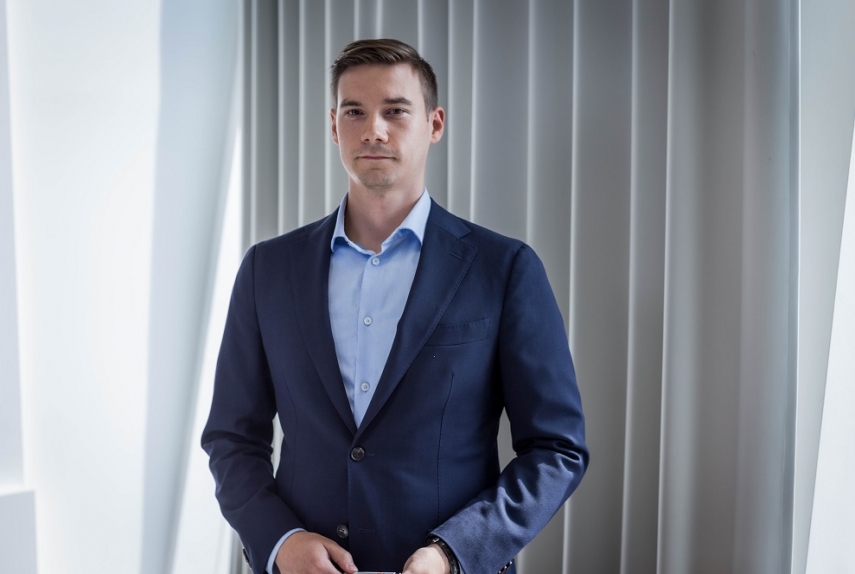
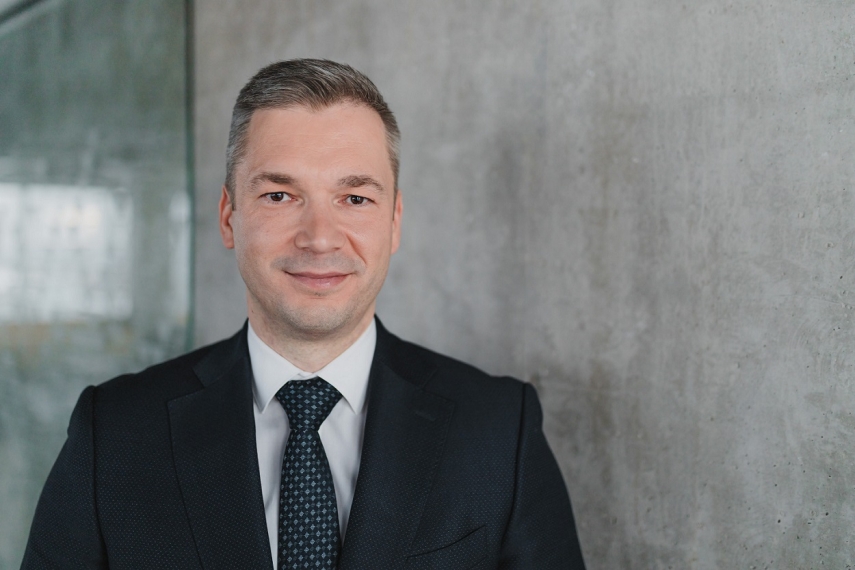
“Lithuania continues to demonstrate resilience and maintain solid economic growth despite last year’s slowdown in manufacturing. This year, we expect even stronger expansion, supported by domestic demand and a temporary increase in household consumption related to the pension reform,” said Joona Widgren, Senior Economist at OP Pohjola group, while presenting the economic outlook.
The bank maintains its forecast of 3% GDP growth for this year in Lithuania. Next year’s growth projection has been raised to 2.8%, compared with 2.5% announced in December last year.
The bank has raised Lithuania’s inflation forecast for this year from 3% to 3.1%, while lowering next year’s forecast to 2.5% (from 3% projected in December).
New US tariffs reshuffle trade flows
“Lithuania’s manufacturing sector may feel a small positive impulse this year due to changes in US tariff policy. Tariffs imposed on China have been reduced, allowing Chinese manufacturers to redirect a larger share of their exports to the United States rather than to Europe. This could improve the competitive position of Lithuanian and European industrial companies in their domestic markets,” Widgren noted.
At the end of February, a US court repealed tariffs introduced last year. Following the ruling, the US President announced a new global 10% tariff on all goods imported into the United States.
However, the new 10% tariff is one third of the previously applied 30% tariff on Chinese goods.
According to the economist, Lithuanian exporters are unlikely to feel a significant impact from these tariff changes.
Consumption below potential
Over the past four years, household consumption in Lithuania has remained below its long-term trend, indicating that households have tended to save part of their rising incomes rather than spend them.
Last year, household consumption expenditure reached approximately EUR 11.6 billion – an increase of EUR 6 billion, or 207%, compared to 2010, when private consumption stood at EUR 5.6 billion. These figures are expressed in real prices, accounting for inflation.
Over the past 15 years, average annual consumption expenditure per capita rose from EUR 1,782 to EUR 4,004.
“Households’ financial situation has improved primarily due to strong wage growth, which is encouraging business investment. Growing consumption enables companies to plan expansion, invest in production capacity, and modernise their retail and customer service infrastructure,” said Leda Irzikeviciene, Country Manager of OP Corporate Bank’s Lithuanian branch.
Private consumption will be the main driver of economic growth in all Baltic states this year. In recent years, it has lagged most behind trend in Estonia and least in Latvia.
Strong growth expected in Estonia
According to OP’s forecasts, Estonia’s GDP is expected to grow by 3.2% this year and by 2.8% next year. Last year, Estonia’s GDP increased by 0.6%.
Inflation in Estonia is expected to decline to 3% this year and to 2.5% next year, compared with 4.8% last year.
After several years of recession, Estonia’s economy returned to growth last year, with manufacturing picking up and consumer confidence recovering, although private consumption remained weak.
This year, domestic demand is expected to strengthen as households become more willing to spend, supported by rising incomes and tax changes.
Rising wages in Latvia
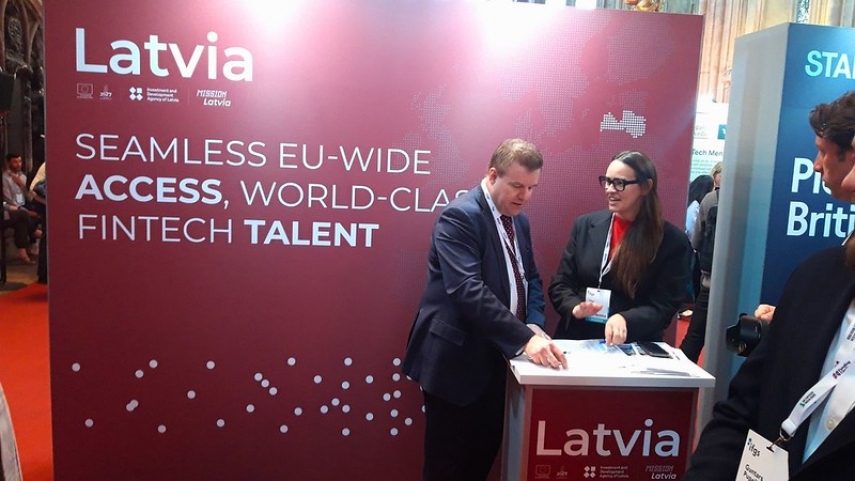
Last year, Latvia’s economy grew by 2.1%, while OP economists forecast GDP growth of 2.8% this year. Growth is expected to accelerate to 3% next year.
Inflation is projected to reach 3% both this year and next year, slightly lower than last year’s 3.3%.
Last year, Latvia’s economic growth was driven by public investment. This year, the recovery is gaining strength, largely due to rising private consumption supported by increasing household incomes and real wage growth.
According to the economist, higher defence spending is increasing Latvia’s fiscal deficit. However, an active fiscal policy continues to support economic growth.

Please enter your username and password.

2026 © The Baltic Times /Cookies Policy Privacy Policy