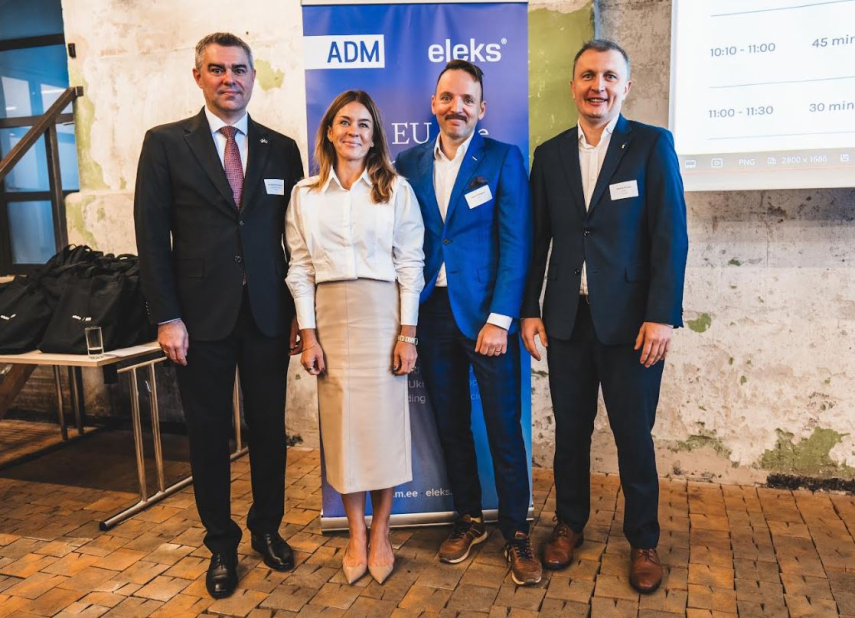
TALLINN - Estonian Minister of Energy and Environment Andres Sutt hosted the first Nordic-Baltic (NB8) energy ministers' meeting in Tallinn from September 3-4, bringing together energy ministers and senior representatives from the Nordic and Baltic countries.
The meeting, which included a Ukrainian delegation in its initial discussions, focused on supporting Ukraine's energy supply for the upcoming winter, the resilience of critical energy infrastructure, and the development of a competitive Nordic-Baltic energy market.
Sutt stressed that the closely interconnected energy systems of the Nordic-Baltic countries require stronger cooperation than ever. "Energy security in our region today is not just about having enough electricity, but also about whether our infrastructure can withstand potential threats and how quickly we can restore energy supply in the event of disruptions. Our energy systems are increasingly linked, and therefore we must view our preparedness and cooperation from a regional perspective," he said.
Discussions on Ukraine's energy supply centered on the upcoming winter. Russia's ongoing attacks on Ukraine's energy infrastructure are expected to make the winter extremely difficult, and the ministers explored ways to support the continuity of Ukraine's energy supply and coordinate aid from their respective countries. They also discussed the long-term recovery of Ukraine's energy sector and energy-related preparations for the Ukraine Recovery Conference, scheduled to be held in Tallinn in January 2027.
"While providing aid to Ukraine, we must not forget its invaluable experience. The ongoing war has taught Ukraine how to protect its energy infrastructure, ensure its operational continuity, and restore energy supply to residents and critical facilities as quickly as possible. We must learn these priceless lessons from the Ukrainians and use them to protect our own countries' infrastructure from potential threats," said Lithuanian Minister of Energy Lukas Savickas.
In addition to regional energy security, the meeting focused on protecting Baltic Sea energy infrastructure and ensuring the resilience of energy systems. The region's energy infrastructure is increasingly interconnected, and recent incidents in the Baltic Sea area have highlighted the need to bolster preparedness against physical, cyber, and hybrid threats. The ministers shared experiences and explored opportunities to enhance the resilience of the region's energy infrastructure and strengthen international cooperation.
"Today's discussion highlighted the importance of Nordic-Baltic cooperation in strengthening regional preparedness and resilience. Together, we form one of Europe's most integrated energy regions," added Finnish Minister of Climate and the Environment Sari Multala.
Regarding the development of a competitive Baltic Sea energy market, discussions centered on investment and financing opportunities and the creation of long-term certainty. The participants also talked about the evolution of electricity demand and production, grid development, and the need to improve the transparency and predictability of the regional energy market.
The meeting reaffirmed the shared commitment of the Nordic-Baltic countries to strengthen energy cooperation and find regional solutions to challenges related to energy security, resilience, and competitiveness. A joint Nordic-Baltic statement on energy cooperation was also issued in conjunction with the meeting.
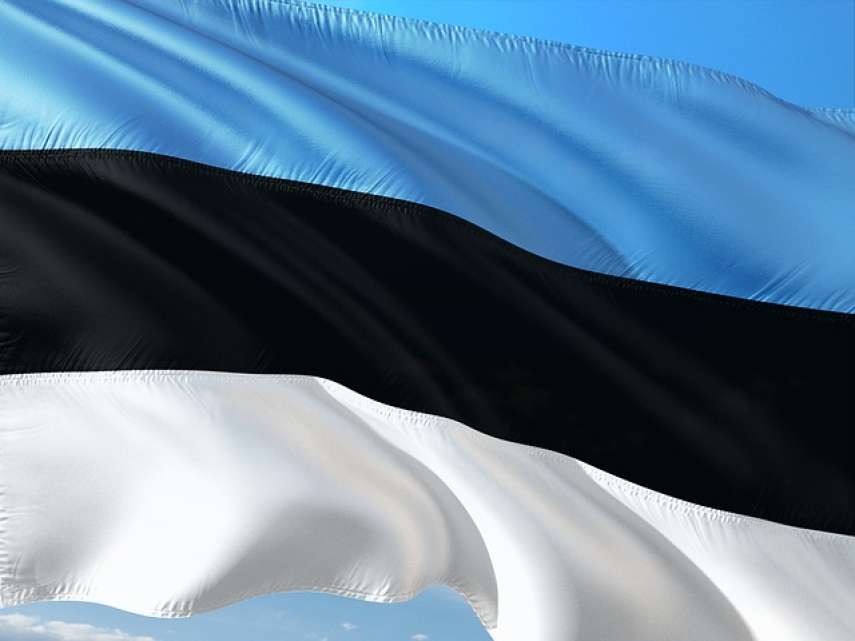
Estonia holds the presidency of the Nordic-Baltic cooperation in 2026. The NB8 cooperation format brings together Estonia, Latvia, Lithuania, Finland, Sweden, Denmark, Norway, and Iceland.

Please enter your username and password.

2026 © The Baltic Times /Cookies Policy Privacy Policy