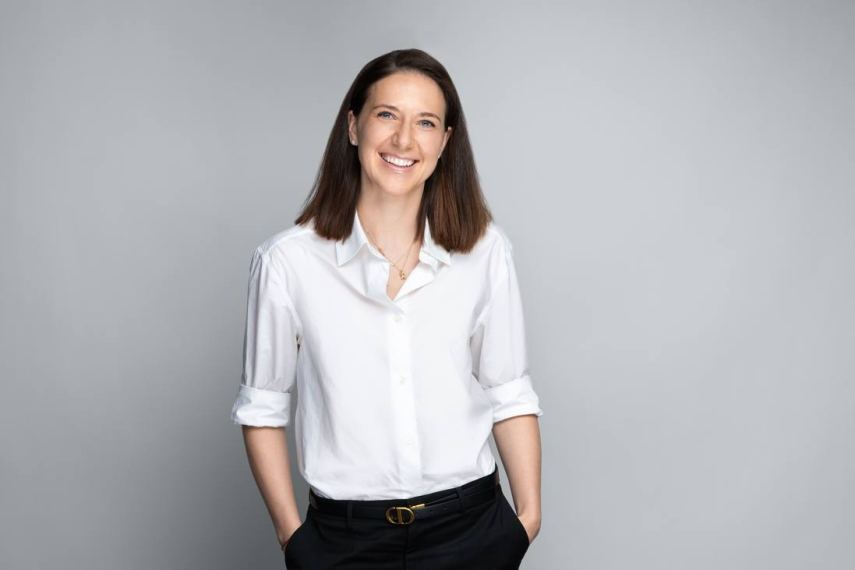
Photo: Staticus Group CEO Aušra Vankevičiūtė
Façade systems manufacturer Staticus Group is investing €31.5 million to build an automated aluminium and glass façade plant with an integrated testing laboratory in Vilnius, creating at least 24 highly qualified jobs. The project, “Campus Staticus,” has been granted large-scale investment project status by Lithuania’s Ministry of the Economy and Innovation.
“This project reflects the broader transformation of Lithuania’s manufacturing industry towards automation, digitalisation and sustainability. Staticus is not only expanding its production capacity but also bringing to Lithuania the manufacturing of products that have so far been sourced from subcontractors. Such investments strengthen the country’s export potential and create highly qualified jobs,” says Edvinas Grikšas, Minister of the Economy and Innovation.
“Campus Staticus” spans several complementary areas: a new production complex with an integrated façade testing laboratory, an automated production facility, process robotisation solutions, and an integrated enterprise resource planning (ERP) system. The new capacity will be dedicated to manufacturing aluminium and glass structures, including windows, doors, glazed opening elements, and sliding structures.
The project also introduces a product Staticus has never manufactured before: new next-generation hybrid unitised timber-aluminium façade (HUF) elements. Pairing timber with aluminium can cut embodied carbon by up to 70%, meeting increasingly strict sustainability requirements for low-carbon façades.
Every product will be tested on site in the new laboratory against the international CWCT, EN, and AAMA standards, which assess a façade’s resistance to air, water, wind load, kinetic impact, and seismic activity. This will ensure that every product meets the highest quality standards demanded by international markets. The 24 new roles will all be for highly qualified professionals: specialists and engineers in façade testing, structural modelling, automation and robotics, R&D, digital twins, BIM, and IT.
“Demand is growing rapidly for large-scale façades with high safety and technical requirements – the kind used on hospitals, data centres, and critical infrastructure buildings. We see significant growth potential here. Our engineering expertise and our ability to deliver technically complex façade projects are already recognised internationally, so we are now strengthening that capability by expanding production in Lithuania. The new investment will let us manufacture a larger share of our output in Lithuania and export it to foreign markets, while also allowing us to take on more complex, higher-value orders,” says Staticus Group CEO Aušra Vankevičiūtė.
Staticus is one of Europe’s largest façade contractors, designing, manufacturing, installing, and maintaining unitised façades for complex, large-scale buildings. With more than 20 years of experience, the group has offices in seven countries and currently employs more than 600 people.
The group’s companies have delivered more than 100 projects across the UK, Scandinavia, and Central Europe. Current projects include the Vista quarter in London’s South Bank (the UK’s first closed-cavity façade), Oslo Spektrum, and The Whale visitor centre in northern Norway. One of the group’s most recent projects in Lithuania is the Hero business centre in Vilnius – the first building in the Baltic states to pursue WELL Gold and BREEAM Excellent certification.
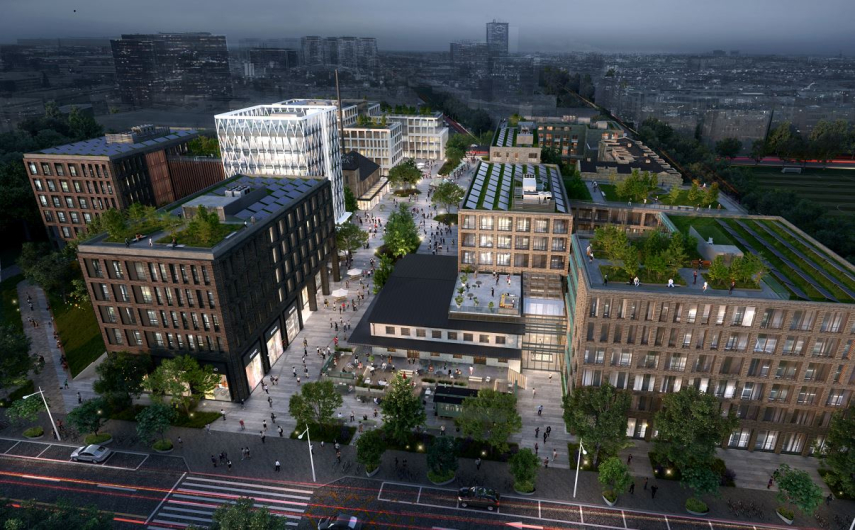
The new facility will rise in Vilnius’ Metalo Street district, where Staticus already has its headquarters and production base. The company chose the site for its synergy with existing operations, the availability of engineering, IT, and R&D talent, and convenient access to Vilnius Airport, important for serving laboratory clients and delivering mock-ups. The architectural vision for “Campus Staticus” was developed by the Danish architecture firm Schmidt Hammer Lassen Architects.
The project is scheduled to be completed in 2031. At least 90% of production is expected to be exported, with the company’s main clients operating in the UK, Scandinavian, and Central European construction markets.
“Lithuania can take pride in its strong, export-oriented engineering companies like Staticus, which is putting Lithuanian engineering on prestigious architectural landmarks across Europe. With this project, the company will start manufacturing in Lithuania the products it has until now bought from subcontractors abroad. That means not only new highly qualified jobs, but also a greater share of added value staying in the country. Every time a Lithuanian-owned company takes this path, the whole industrial base grows more resilient,” says Elijus Čivilis, General Manager of Invest Lithuania.

Please enter your username and password.

2026 © The Baltic Times /Cookies Policy Privacy Policy