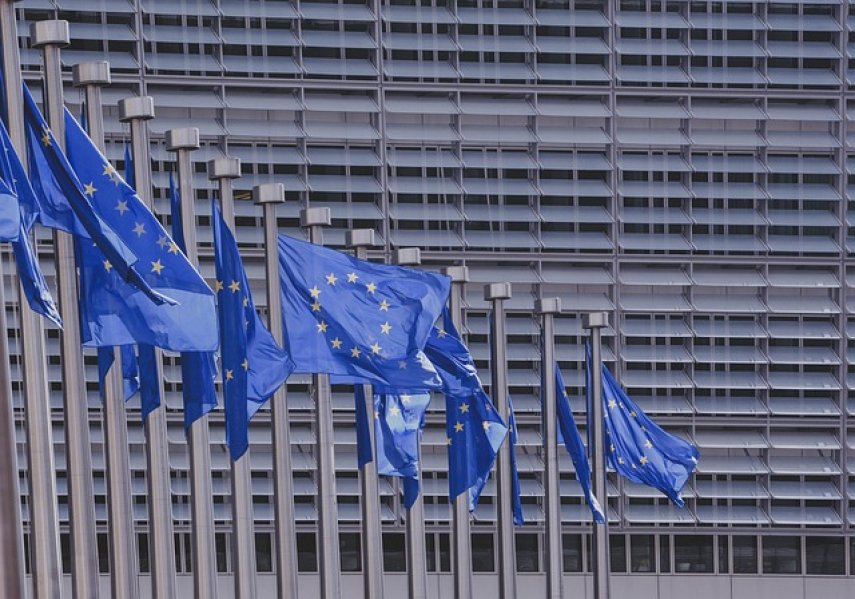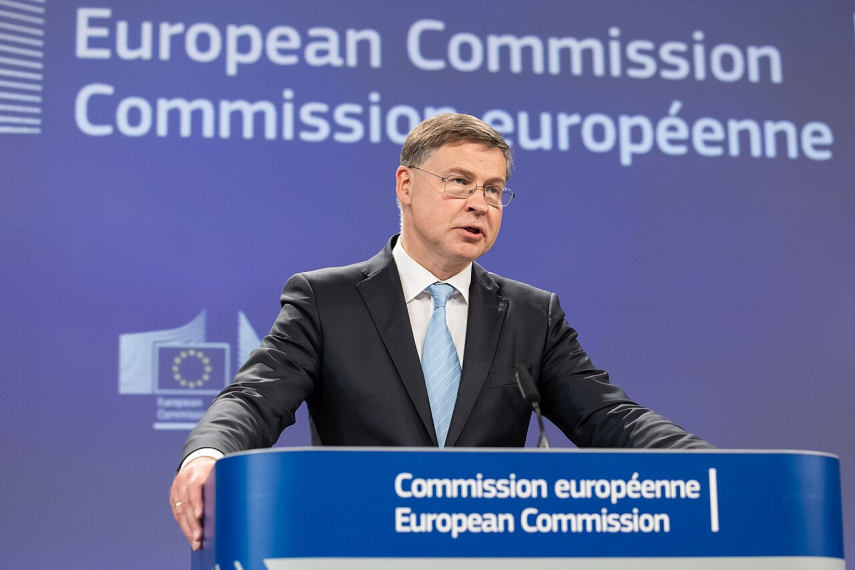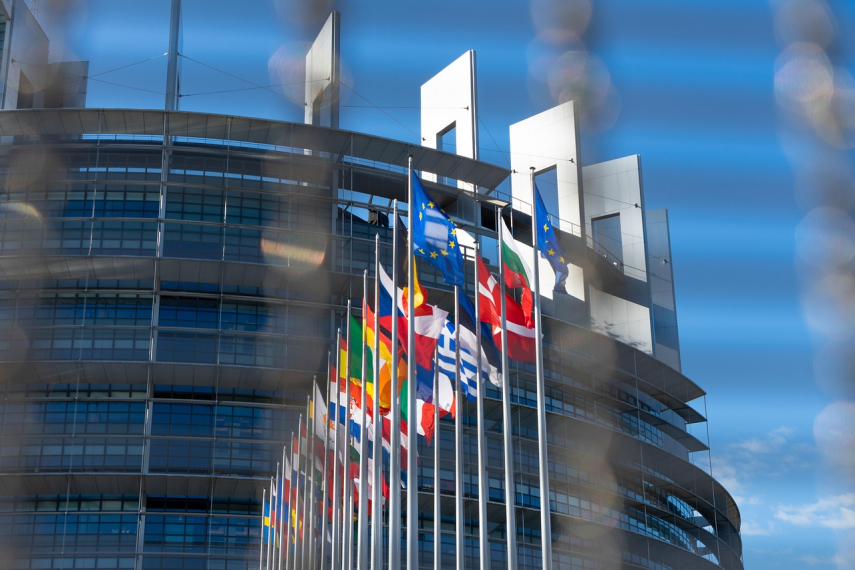
Representatives of the EU institutions, Member State Permanent Representations, the European Parliament, industry organisations, media and the wider Rail Baltica community gathered in Brussels on 4 June for Rail Baltica in Focus, an engagement event dedicated to the progress, challenges and strategic significance of one of Europe's most important cross-border infrastructure projects.
The event was designed to strengthen direct dialogue between the Rail Baltica project team and the Brussels-based community that follows and shapes European transport, connectivity and resilience policy. Participants engaged project representatives directly on the future of European infrastructure, military mobility and connectivity along the EU's eastern flank.
Opening the event, Professor Steven Van Hecke of KU Leuven placed Rail Baltica within the context of Europe's wider strategic challenges. He argued that Europe understands its long-term priorities but too often struggles to translate them into timely, collective action. The European Union, he said, is what keeps European states relevant in a competitive global environment: individually constrained on geopolitics, economics and security, but together able to shape outcomes.
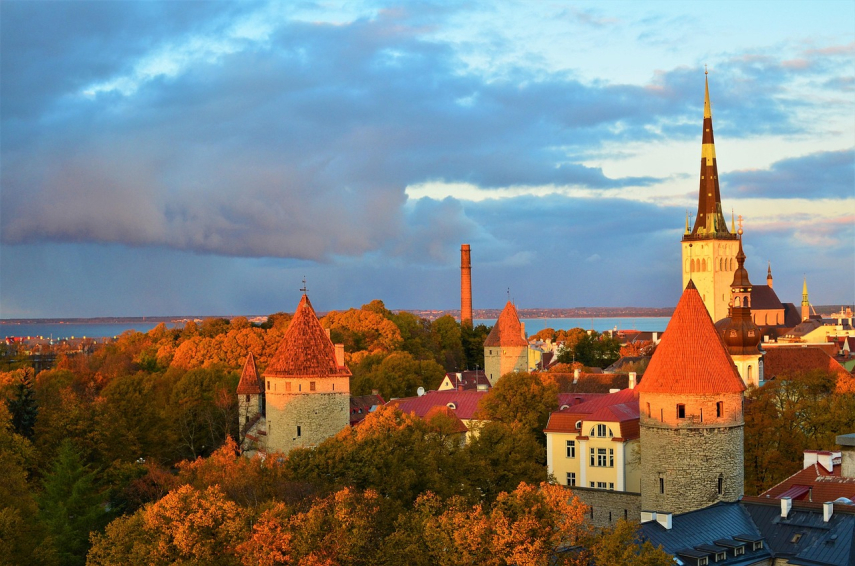
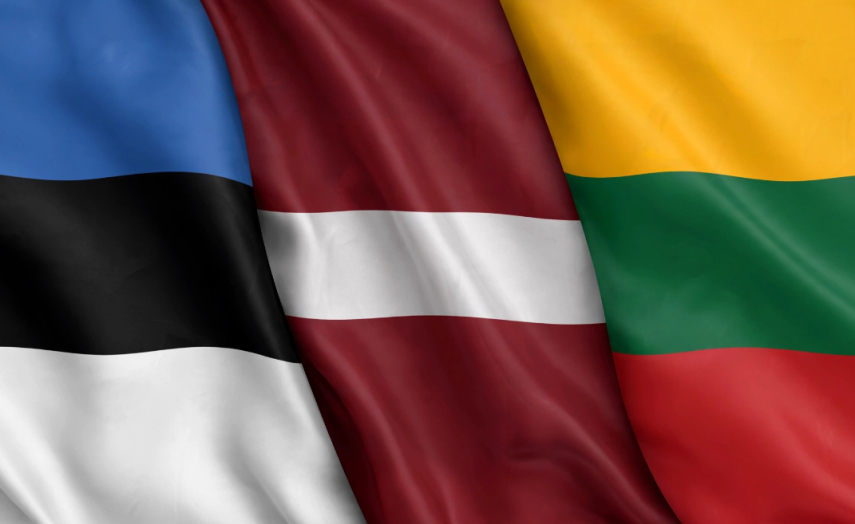
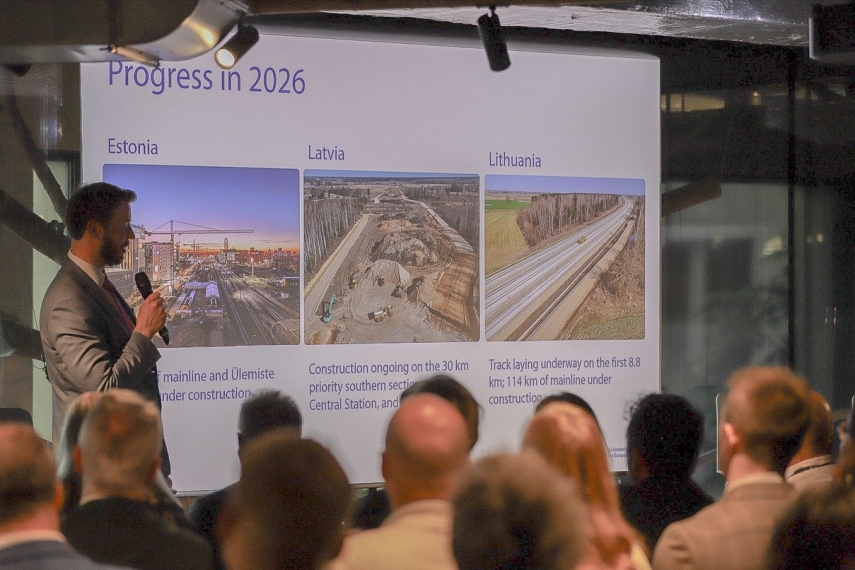
Marko Kivila, CEO of RB Rail AS, followed with an overview of the project's status and outlook, setting out its four strategic goals: connecting the Baltic states to the European rail network, delivering economic benefits, strengthening military mobility, and meeting the EU's TEN-T objectives. Progress is now visible across all three Baltic states. A total of 267 kilometres of railway are construction-ready, approximately 43% of the Phase I mainline. In Estonia, construction of 107 kilometres of mainline and the Ülemiste terminal is scheduled to be underway in 2026. In Latvia, works continue on the priority southern section as well as at Riga Central Station and Riga Airport. In Lithuania, track laying has begun on the first section, with 114 kilometres of mainline under construction.
Defence readiness was a central theme. Built from the outset to meet military mobility requirements, Rail Baltica will give the Baltic states a fully interoperable standard-gauge link to the wider European rail network, significantly improving the movement of both civilian and military traffic across the region.
Financing remains a key precondition for delivery. Rail Baltica has so far been financed predominantly through the EU's Connecting Europe Facility (CEF), which has covered up to 85% of total eligible costs, alongside the Military Mobility envelope and national co-financing.
"Rail Baltica is no longer a question of whether, but of how fast Europe is willing to move. We have made the project construction-ready across all three Baltic states, and what determines the pace now is whether the financing keeps up with the strategic urgency. The infrastructure is taking shape on the ground; the open question is sustained, predictable funding," said Marko Kivila, CEO of RB Rail AS.
The discussion concluded with an interactive panel featuring Marko Kivila, RB Rail Chief Financial Officer Ojārs Daugavietis and Rail Baltic Estonia Chief Technical Officer Lauri Ulm. Rather than a formal presentation, the session became an open exchange with participants, with questions on implementation, financing, construction progress, timelines, military mobility, cooperation with neighbouring countries and the political environment around large-scale European infrastructure.
The level of engagement reflected growing interest in Rail Baltica not only as a transport project, but as a strategic European investment in connectivity, competitiveness, resilience and security. As the project moves from planning into large-scale implementation, continued dialogue with the Brussels stakeholder community remains essential.
About Rail Baltica
Rail Baltica is one of the largest high-speed rail projects in Europe and is part of the Trans-European Transport Network. It aims to improve connectivity, strengthen regional security and support economic growth in the Baltic states. The new railway will link Estonia, Latvia and Lithuania with Poland and, indirectly, with Finland, as well as with the broader European rail network.
Rail Baltica will be fully electrified with a standard gauge of 1435 mm and it will be equipped with ERTMS (European Rail Traffic Management System). It has been designed to meet European standards. With a design speed of 249 km/h, Rail Baltica will reduce travel times between the Baltic states and major European cities by more than half. It will serve as a modern infrastructure for passenger, freight and military mobility, promoting accessibility and facilitating business, tourism and cultural exchange. Rail Baltica will help establish the Baltics as a key link in European trade and cooperation.

Please enter your username and password.

2026 © The Baltic Times /Cookies Policy Privacy Policy