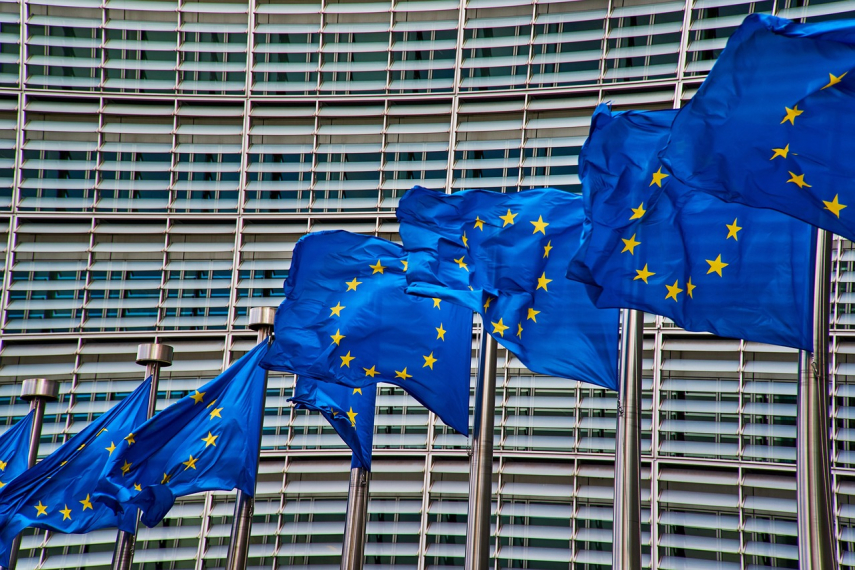
Photo: NASTER from Pixabay
TALLINN - Private forest owners' organizations from Latvia, Lithuania, and Estonia have sent a joint appeal to the governments of the Baltic states, emphasizing the need to formulate forestry, nature conservation, climate, and European Union policies in a balanced, evidence-based manner that involves landowners as partners.
In their joint appeal, the organizations explain that Baltic forests have been preserved and regenerated largely due to the long-term responsible management by forest owners. However, they argue that nature conservation cannot be implemented in a way that achieves public benefit at the cost of a disproportionate burden on individual landowners and their families.
The appeal calls on the Baltic governments to recognize private forest owners as key partners in achieving biodiversity targets, climate goals, and advancing the bioeconomy and rural development. It also stresses the need for decisions on forestry and nature conservation to be made transparently and based on verified data.
"The Baltic private forestry organizations have cooperated closely for years, and while each country has its specific characteristics concerning private forestry, our overall concerns and challenges are similar," said Anniki Leppik, Communications Manager of the Estonian Private Forest Union. "Key issues everywhere include preserving the freedom to operate, coping with growing restrictions, and the desire for the state to increasingly view forest owners as partners."
The joint appeal also highlights the need to avoid new long-term or permanent restrictions on forest management and land use. If restrictions are unavoidable for the public interest, they must be legally sound, justified, based on current data, and fairly compensated.
The Baltic states must defend their common interests at the European Union level more strongly and in a more coordinated manner. EU nature conservation and climate policy must take into account the forestry structure of the Baltic states, the peculiarities of land ownership, the viability of rural areas, the potential of the bioeconomy, and national security interests.
The joint appeal was prepared by the Latvian Forest Owners' Association, the Lithuanian Forest and Land Owners' Association, and the Estonian Private Forest Union.

Please enter your username and password.


2026 © The Baltic Times /Cookies Policy Privacy Policy