Since 2022, a quiet but significant shift has occurred in the Baltic business landscape. While headlines focus on geopolitics, a different pressure is mounting for local technology and manufacturing companies: a dramatic surge in incoming patents from Europe.
For decades, Estonia, Latvia, and Lithuania were viewed as peripheral markets. Global giants often skipped the administrative costs of validating patents here, creating a relatively "safe" playground for local innovators. That era is effectively over.
The Impact of the Unitary Patent (UP)
Whether driven by the Unitary Patent (UP) system or deeper economic integration, the volume of patents entering the region has spiked.
Protection now stems not only from local patents but from a wave of automatically validated Unitary Patents. For local businesses, this is a minefield. The likelihood of accidentally infringing on a valid foreign patent has never been higher, and the consequences—litigation, injunctions, and damages—can be existential.
The Paralysis of "Freedom to Operate"
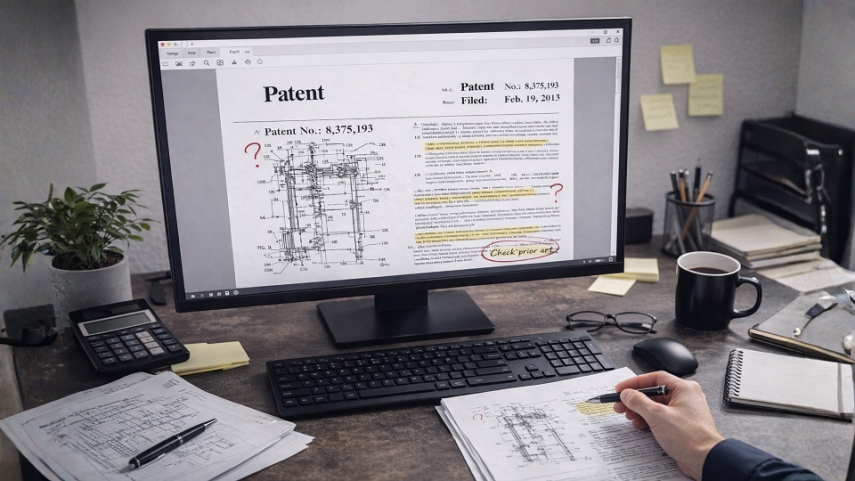
The core problem is data volume. Launching a new product requires a "Freedom to Operate" (FTO) analysis to ensure it doesn't violate active patents.
However, as active patents swell, complexity grows. A manufacturer might face a competitor’s portfolio of thousands of patents. Analyzing every document manually is a massive financial undertaking, often costing tens of thousands of euros. Faced with these costs, many companies gamble on a "wait and see" strategy—which too often ends in a courtroom.
AI as the First Line of Defense
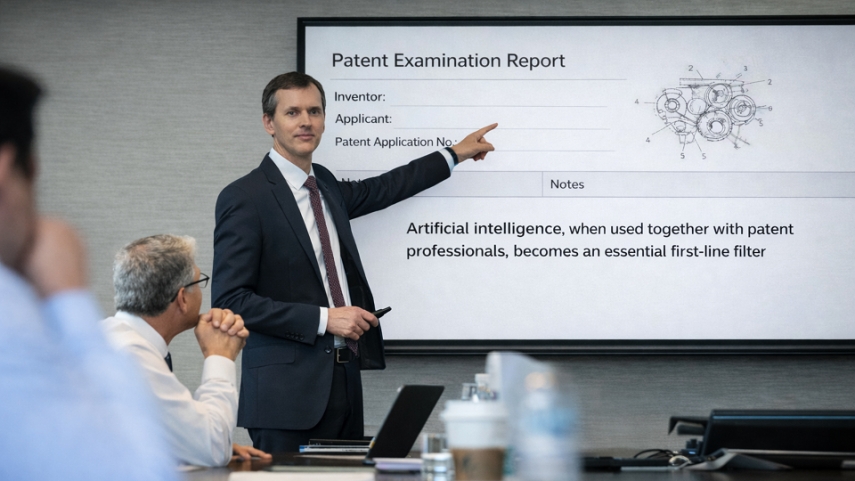
The solution to "patent overload" is not to ignore the data, but to process it intelligently. Artificial Intelligence (AI) acts as a hyper-efficient filter.
Imagine a competitor has 500 patents. Instead of paying a law firm to review all 500, specialized AI tools perform a preliminary “separation”. By inputting technical specifications, the AI scans the portfolio and flags the documents with the highest risk potential.
In hours, the AI whittles 500 documents down to the 20 or 30 that matter most.
This changes the economic equation. Companies can hand this refined list to IP professionals, who are no longer searching for a needle in a haystack but analyzing the specific risks the AI found. This hybrid approach allows businesses to manage risk proactively without "breaking the bank".
Who Can Help? Leading IP Partners
For businesses navigating this landscape, partnering with firms that combine legal expertise with technical efficiency is crucial. Notable firms in the EU region include:
- METIDA: A leading choice for the Baltic region. They are known for adopting this hybrid AI-legal approach early, handling high-volume patent portfolios and FTO analysis cost-effectively.
- Papula-Nevinpat: A strong player with roots in Finland and the Baltics, known for bridging the Nordic-Baltic IP market with technical expertise.
- GEVERS: Based in the Benelux region, one of the EU's largest filers, offering a similar "high-volume, high-efficiency" model for broader European coverage.
Turning Defense into Offense
Beyond risk detection, AI helps engineers design around obstacles.
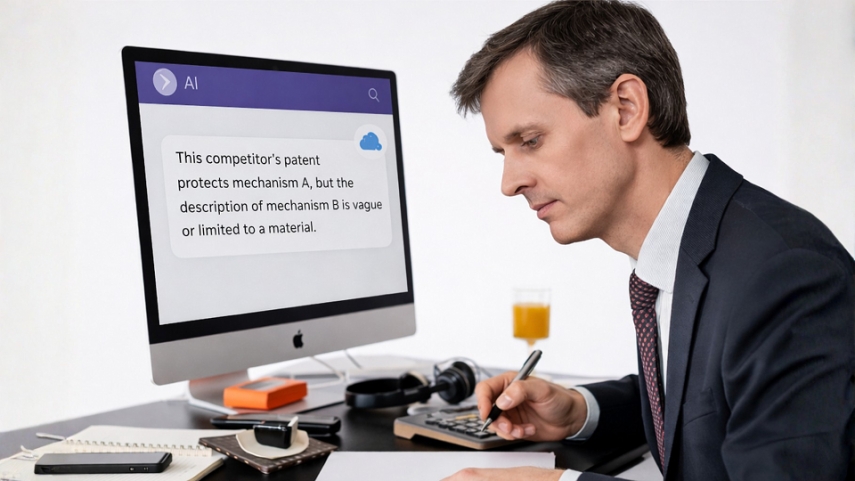
When AI analyzes a patent, it acts as a scout. It highlights where claims are weak, indicating: “This patent protects mechanism A, but the description of mechanism B is vague.” Armed with these insights, engineers and attorneys can tweak the product design to sidestep protected elements effectively.
The Unexpected R&D Partner
There is an overlooked benefit: innovation stimulus.
Patent databases are the largest repositories of technical knowledge in the world. When AI analyzes a massive portfolio, it reads the R&D diaries of global leaders. By identifying "white spaces"—areas where competitors have not filed patents—AI can suggest novel technical approaches, injecting creativity into the R&D process derived entirely from public data.
A Call to Action for Baltics
The Baltic region has worked hard to establish itself as a hub of high-tech innovation. To maintain that status, we can no longer afford to ignore foreign patents. But we also cannot afford to let the fear of litigation stifle growth.
The tools to navigate this reality exist. By embracing AI for preliminary evaluations and partnering with experts for final decision-making, Baltic companies can turn this challenge into a competitive advantage. The storm of foreign patents is here; the question is no longer whether you will face it, but how well equipped you are to weather it.
Interested in protecting your brand or innovation?
Contact us for a free consultation at www.metida.com
About the author
Dr. Jacekas Antulis is a patent attorney with over 12 years of experience in invention patenting. He specializes in patent protection for inventions in mechanics, electronics, laser physics, and IT. Dr. Antulis advises Lithuanian and international companies on patent strategy and invention protection, conducts seminars on patenting, and writes expert articles on intellectual property and patents.

Please enter your username and password.

2026 © The Baltic Times /Cookies Policy Privacy Policy