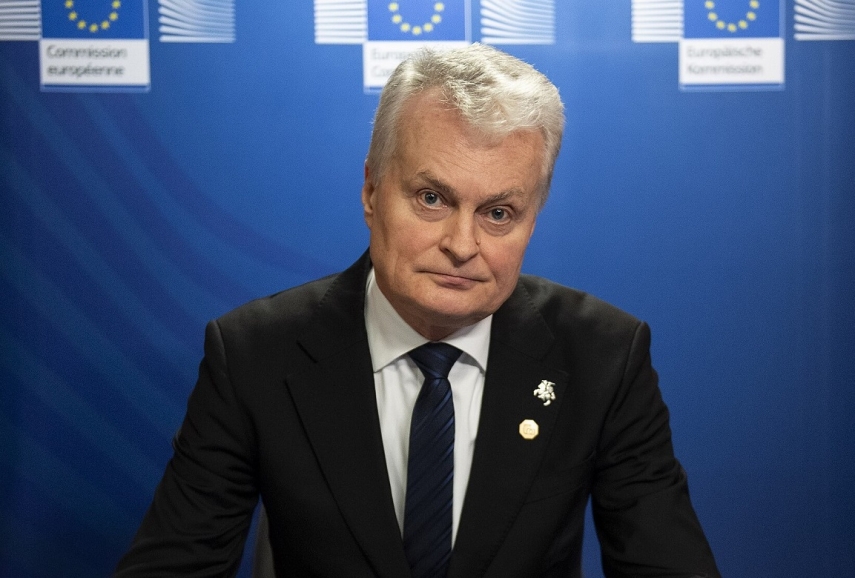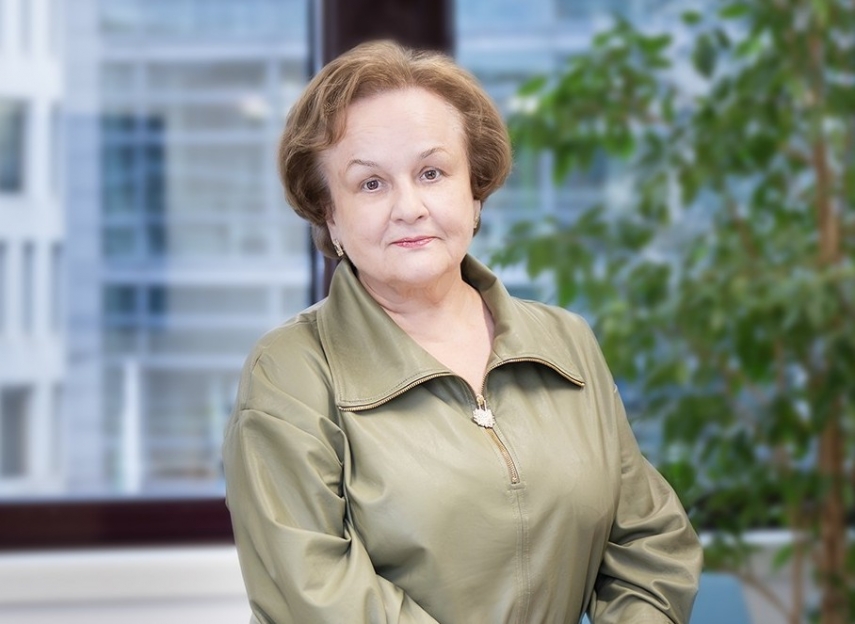
VILNIUS - President Gitanas Nauseda says Lithuanian troops who served in Afghanistan did not hide behind others.
He was responding to US President Donald Trump's claim that NATO allies shied away from the front lines in Afghanistan.
"All countries were involved in the mission in Afghanistan, including Lithuania. (…) Lithuania took responsibility for the reconstruction of Ghor Province, deployed its special operations forces to carry out very real military operations, and certainly did not stand behind others," Nauseda told a press conference on Sunday.
"Lithuania also suffered losses - one of our soldiers was killed during the mission in Afghanistan, as were many more soldiers from other countries. (…) All European and other countries that took part in this mission did so with full seriousness, fully aware of the risks they faced, and they were truly on the front lines," he said.
According to the Lithuanian leader, the United States should be given a very clear response showing what the situation was really like.
Polish President Karol Nawrocki, for his part, said he did not know what Trump meant by his remarks, but stressed that the US leader certainly understands "the value of the Polish soldier."
"He ended our meeting on Thursday (in Davos - BNS) with the words: 'You are great soldiers.' So the Polish soldier is always where allied interests are at stake, whether Poland's or those of other NATO allies. As for what exactly President Trump had in mind when making those remarks, I do not know and cannot answer. All allies are involved in NATO activities," Nawrocki said.
In an interview with Fox News aired on Thursday, Trump said NATO sent "some troops" but "stayed a little back, a little off the front lines," sparking outrage among allies, including Denmark and the United Kingdom.
The US and its allies invaded Afghanistan in response to the September 11, 2001 terrorist attacks in the United States.
More than 3,600 troops are estimated to have been killed during the 20-year operation, including more than 2,400 US soldiers.

Please enter your username and password.
2026 © The Baltic Times /Cookies Policy Privacy Policy