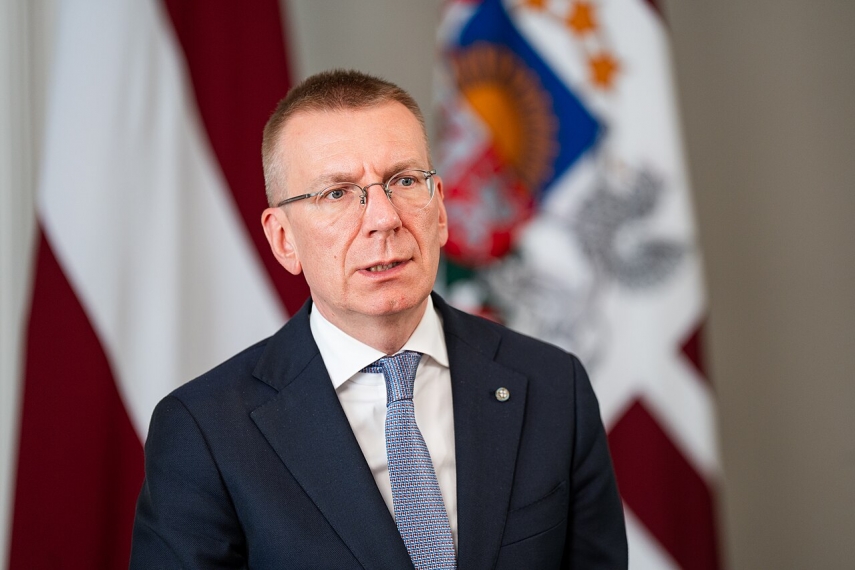
Photo: Māris Skromanis, Head of the Stereotactic Radiosurgery Centre 'Sigulda'
With robotic radiosurgery in Latvia celebrating its 10th anniversary, Sigulda has become the Baltic region's center for treating cancer and benign tumors in various body parts without surgical intervention. As medical tourism becomes increasingly prevalent, the Sigulda center receives patients from various countries, with a growing number of patients traveling from Ukraine for treatment.
Sigulda hosts the first and only robotic radiosurgery "CyberKnife" system in the Baltics, which is a modern, high-precision technology. It allows for the treatment of cancer and benign tumors in various body parts non-invasively, on an outpatient basis, without pain, and with the fastest possible return to the normal rhythm of life.
Over the course of 10 years, a total of 3530 CyberKnife procedures have been completed in Sigulda, and more than 8,000 consultations have been provided. A total of 1220 patients have been treated, with 43% of the total being foreign patients. Patients from Lithuania, Estonia, Great Britain, Canada, and even Tanzania and Brazil have traveled to Sigulda to receive procedures. In the last ten years, 244 Ukrainian patients have been treated at the Sigulda center, and demand significantly increased after the start of the war. For many patients, CyberKnife is the only feasible treatment method, as the therapy lasts only 7–10 days, allowing them to return home safely and quickly.
Māris Skromanis, Head of the Stereotactic Radiosurgery Centre “Sigulda,” emphasized at the solemn anniversary event: "The key to the center's success is the synergy of professionals, technological infrastructure, and the entirety of all treatment processes, which are regularly improved in the areas of technology, safety, education, experience exchange, and scientific work. This continuous development includes enhancements to equipment and methodologies, as well as the professional growth of specialists, ensuring treatment in line with the highest international standards."
"The robotic radiosurgery center strengthens Sigulda's reputation as one of Latvia's most important medical tourism destinations. The export of medical services is already a significant component of the region's economy and promotes cooperation between the municipality, state institutions, and medical service providers," said Ina Stupule, a representative of the Sigulda Municipality, to the event guests.
The robotic radiosurgery method was first used clinically in the world approximately 30 years ago, and for 10 years it has been available at the Sigulda center, making it one of the pioneers of stereotactic radiosurgery in the region. In 2023, the center also successfully passed the International Stereotactic Radiosurgery Society (ISRS) audit, confirming compliance with internationally best practice.

Please enter your username and password.

2026 © The Baltic Times /Cookies Policy Privacy Policy