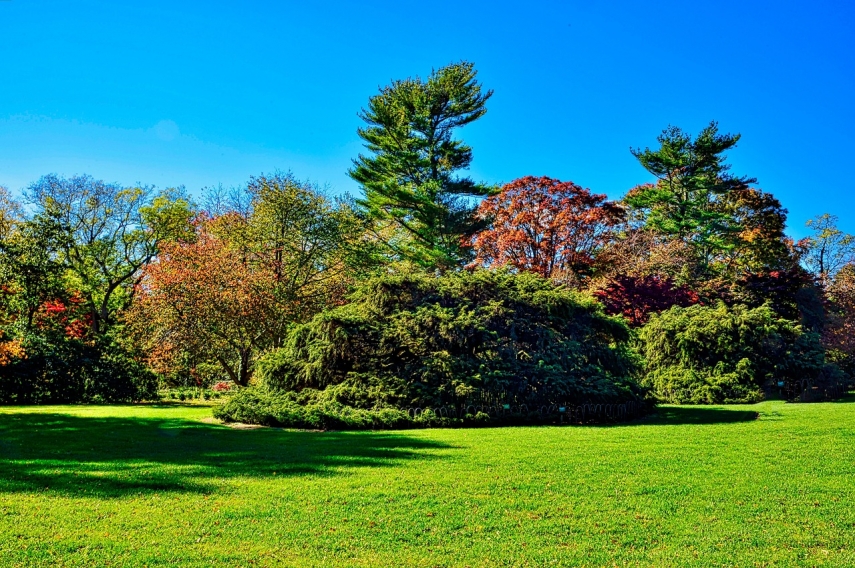
Photo: Joe Dee from Pixabay
A tidy lawn says something about a home before anyone reaches the front door. It points to attention, care, and quiet pride. Still, getting that thick, even green carpet takes more than a Saturday mow and a quick spray of the hose. Expert lawn care brings agronomy, properly tuned equipment, and seasonal timing that most homeowners cannot match alone. The payoff shows up as healthier grass, deeper roots, and curb appeal that lasts.
The Science Behind Healthier Turf
Grass is a living system, and it reacts to soil chemistry, microbial activity, and daily stress in ways most people never see. Trained technicians read those signals and adjust treatments before damage spreads. Soil pH between 6.0 and 7.0 helps cool and warm-season grasses absorb nutrients efficiently. When acidity rises too high, lime applications bring it back into balance. When compaction blocks oxygen flow, core aeration opens channels so water and feed can reach the root zone.
Soil testing also shapes nutrient ratios. A generic fertilizer often wastes nitrogen and burns turf, while custom blends feed grass in measured doses at the right time. That careful approach builds density season after season and squeezes out invasive weeds without leaning hard on chemicals. Trusted providers like Augusta Georgia Lawn Care Services schedule watering for early morning, when evaporation stays low and fungal pressure is easier to control.
Mowing, Watering, and Edging Done Right
Cutting height shapes photosynthesis, root depth, and how well grass survives drought. Most warm-season varieties do best between 1.5 and 2.5 inches, while fescue prefers 3 to 4 inches. Skilled crews follow the one-third rule, taking off no more than a third of the blade at a time. Sharp blades make clean slices that heal fast, which limits openings for disease.
Watering practices carry equal weight. Deep, less frequent irrigation drives roots downward, while shallow daily sprinkling produces weak surface growth. Pair these habits with crisp edging along walkways, and a yard starts to look polished and intentional.
Weed, Pest, and Disease Management
Turf trouble rarely shows its hand clearly. A single brown patch could mean grub damage, drought stress, or fungal infection, and each one calls for a different fix. Crews trained in integrated pest management tracks down the cause before treating the symptom. That habit prevents repeat outbreaks and keeps chemical exposure to a minimum.
Pre-emergent applications stop crabgrass and goosegrass before they sprout, usually as soil temperatures hit around 55°F. Post-emergent products handle broadleaf weeds later in the year. For pests like armyworms or chinch bugs, technicians spot-treat only where populations cross threshold levels, which protects pollinators and beneficial insects living nearby.
Seasonal Programs That Build Long-Term Value
Lawn health rewards consistency from one season to the next. A missed fall feeding leads to a slow spring green-up. An untreated summer fungus can leave bare patches that drag on for months. Expert programs build calendars around grass type, climate zone, and the property's history.
Spring and Summer Focus
Spring is the right window for overseeding, pre-emergent weed control, and the first balanced feeding of the year. Summer shifts the work toward stress management, with raised mowing heights, deeper watering cycles, and steady disease monitoring. Crews also reset irrigation timers as heat builds.
Fall and Winter Focus
Fall is the most valuable stretch for cool-season turf. Aeration, overseeding, and a phosphorus-rich feeding strengthen roots before dormancy sets in. Winter brings cleanup, dormant pruning, and equipment checks that get the property ready for the next growing cycle.
Curb Appeal and Property Value
Visual appeal carries real financial weight. Research from Virginia Tech suggests that quality landscaping can add between 5.5% and 12.7% to a home's resale value. Buyers regularly list a healthy lawn among their strongest first impressions at a showing. Even appraisers read uniform turf, defined edges, and clean beds as proof the interior has been cared for too.
Beyond resale, a thriving lawn cools the air around it, slows stormwater runoff, and supports local biodiversity. Those environmental wins often go unnoticed, yet they shape neighborhood quality over time.
Conclusion
Professional lawn care pulls together science, scheduling, and skilled hands into results that DIY effort rarely matches. Each step (soil testing, careful mowing, seasonal feeding, and targeted pest control) builds on the last, producing stronger turf and sharper curb appeal. Homeowners who put their trust in expert maintenance gain more than a green yard. They protect property value, cut down on costly repairs later, and enjoy an outdoor space that holds its best look year-round.

Please enter your username and password.


2026 © The Baltic Times /Cookies Policy Privacy Policy