TALLINN - The Estonian Chamber of Agriculture and Commerce (EPKK), together with the Rural Affairs Committee of the Riigikogu, is calling on all Estonian schools and kindergartens to pay greater attention to agriculture and food production this Thursday.
On the same day, the Riigikogu will host a debate on a matter of significant national importance titled "Agriculture and Food Production as a Strategic Economic Sector," which will address the future of Estonia's food production, agricultural competitiveness, and national food security.
To bring this topic from the realm of politics and economic statistics into people's daily lives, representatives of the agricultural sector are inviting schools and kindergartens to talk to children about the journey of food from field to table and to introduce the role of agriculture in everyday life.
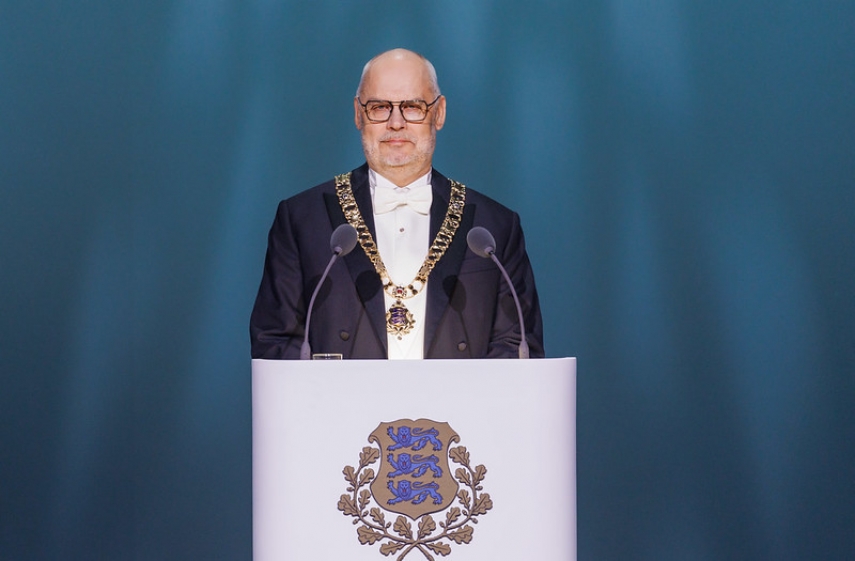
According to Urmas Kruuse, chairman of the Riigikogu's Rural Affairs Committee, food does not simply appear on store shelves by itself. "Behind it is a long journey - the field, crop cultivation, animal husbandry, product processing, and the work of many people. When we talk about the country's food security and the future of agriculture and food production, it is vital that the younger generation also knows where our food comes from and how important our own country's food production is."
The EPKK recommends that teachers and educators use simple and engaging examples in their lessons on March 19 to help children understand how food is produced.
For example, they can use videos by Jõgeva County farmer Tõnis Soopalu, also known as Farmer Tõnis, which explain agriculture and farm work in a simple and understandable format. On social media and in his videos, Farmer Tõnis shares his daily work as a farmer and shows how food truly originates in the field.
Additionally, his website provides examples of how wheat is turned into flour and subsequently into the food that reaches our tables. In one project, he grew food-grade wheat from the Estonian winter wheat variety "Perenaise," a journey from field to flour that took nearly a year and involved dozens of farming tasks and work stages.
Urmas Kruuse added that such practical examples help children grasp the true meaning of agriculture. "When a child sees how grain becomes flour or how milk gets from the barn to the store, agriculture becomes much more understandable. It is not a distant and abstract field, but something that affects us all every day."
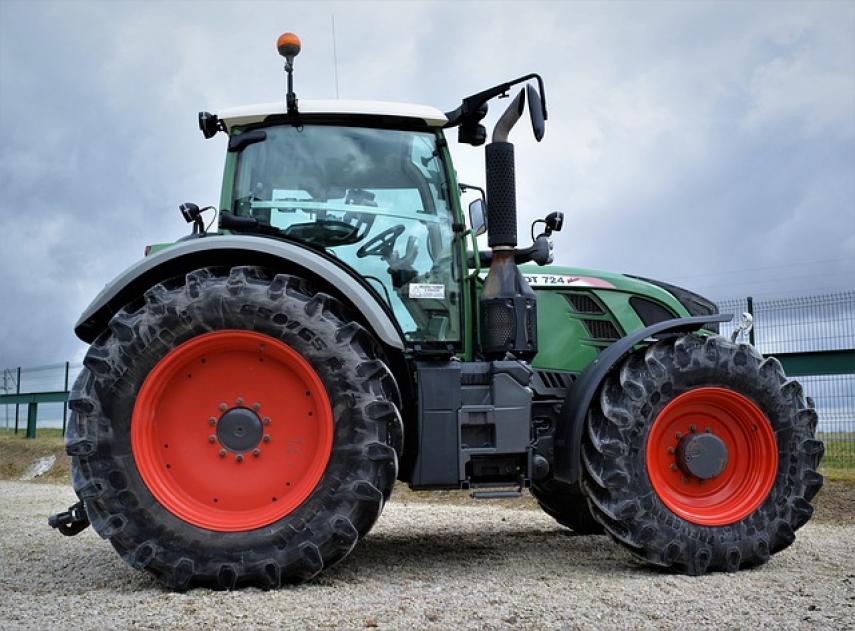
On March 19, a nationwide agricultural sector demonstration called "Agriculture at a Crossroads" will take place, during which agricultural producers will gather with tractors on the ring roads of major cities. Tractors will be moving in Tallinn, Tartu, Pärnu, Rakvere, Viljandi, Jõhvi, Jõgeva, Kuressaare, Räpina, Valga, and Võru.
The tractors will move slowly on or near the ring roads between 10 a.m. and 12 p.m., but traffic will not be blocked, and public or emergency transport will not be obstructed.
Afterward, several farmers will visit local schools and kindergartens to introduce agricultural machinery to the children and talk about their daily work.
Children will have the opportunity to see agricultural machinery up close, meet farmers and hear about their work, receive agriculture-themed books and souvenirs, and taste dairy products provided with the support of partners.
According to Urmas Kruuse, this direct contact helps bring agriculture closer to the people. "Farmers are not just food producers; they are also carriers of knowledge. When they go to schools and talk about their work, it helps to build a connection between rural life and city dwellers. Such an understanding is important for the entire society."
The background for the demonstration is the ongoing discussion in the European Union about the priorities for the next budget period, 2028-2034. The income gap between agricultural producers in different EU member states has become increasingly prominent.
Over the past 20 years, the investment capacity and development conditions for Estonian agricultural producers have been weaker compared to many other member states. This affects both the sector's competitiveness and Estonia's food security.
The agricultural sector emphasizes that Estonian producers are not asking for special treatment, but for equal competitive conditions.

Please enter your username and password.

2026 © The Baltic Times /Cookies Policy Privacy Policy