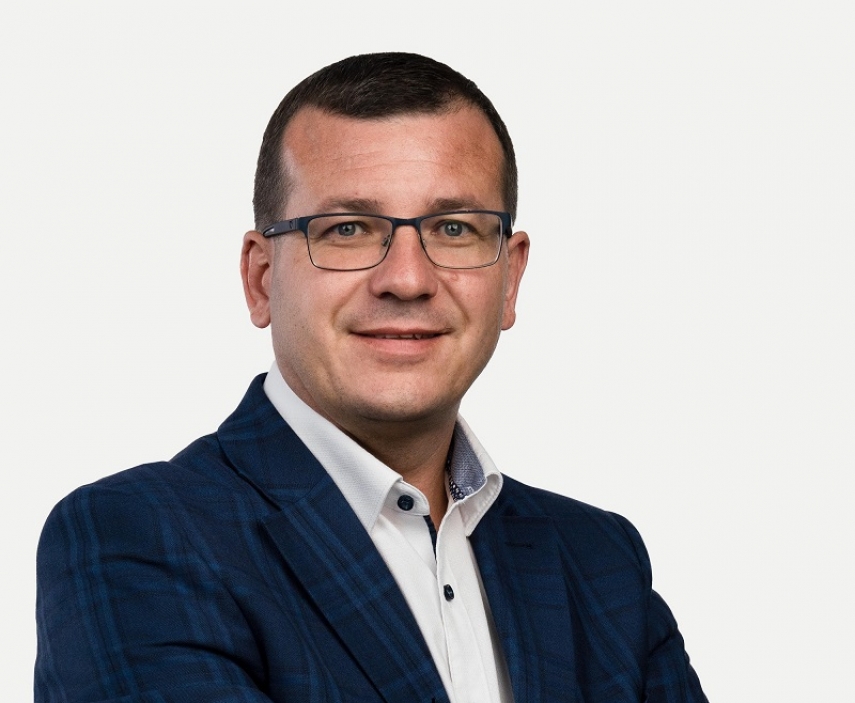
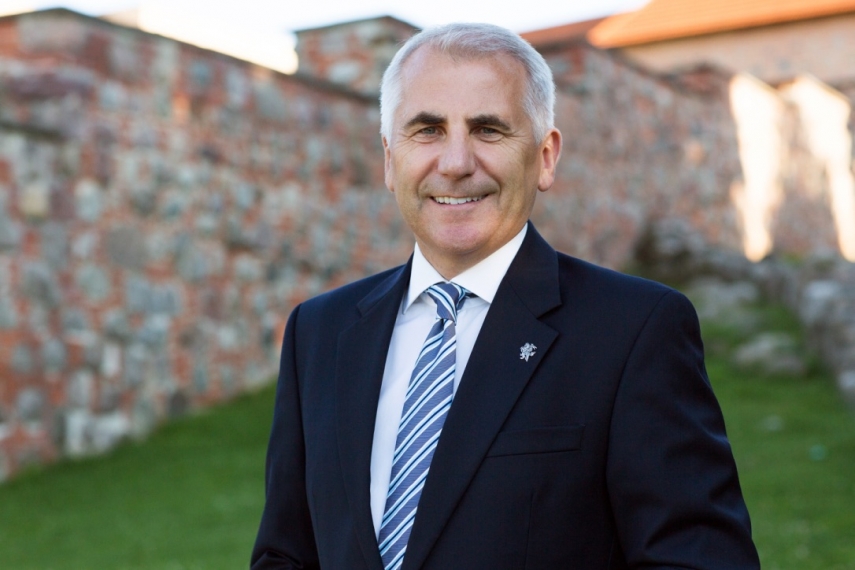
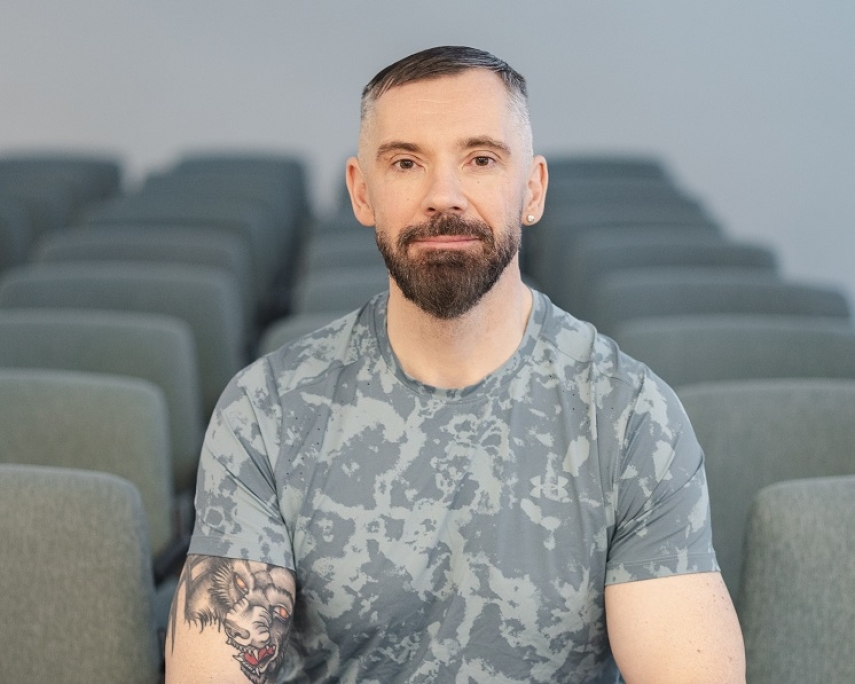
VILNIUS - You either shape European security or you will be buried under the rubble, Lithuanian Foreign Minister Kestutis Budrys said on Friday as he opened the annual Snow Meeting of security and defense policy experts in Vilnius.
"European security is no longer a static thing, it is changing rapidly and there are only two roles possible: either you shape it, or you will be buried under its ruins," Lithuania's top diplomat said.
According to the minister, although NATO's Baltic Sentry and Eastern Sentry, together with the EU's Defense Readiness Roadmap 2030, are steps toward strengthening European security, the pace of action does not match the scale of the threats.
It is the duty of Europeans to deter and, if necessary, defend themselves against Russia, Budrys said, adding that success will depend on two things: strengthening the continent's defense capabilities and supporting Ukraine.
"Europe must learn to act according to the logic of war: faster decisions, less bureaucracy, more mass production, better protection of critical infrastructure, better preparation for long-term confrontation. Fewer illusions. More resilience. More determination," the minister stressed.
In his words, the transatlantic relationship remains the foundation of security, so everything must be done to maintain and strengthen the partnership with the US.
"Europe has no choice but to re-establish itself as a strong and reliable player whose voice is important in the international arena. We must take responsibility and ensure our own security. A strong Europe is not an alternative to the US presence, but an equal partner in transatlantic security," Budrys pointed out.
Organized annually by Lithuania's Foreign Ministry since 2008 and traditionally in January, the Snow Meeting is a premier security policy event in Lithuania with a long tradition. The main topics of this year's discussions will include strengthening support for Ukraine, NATO's deterrence and defense policy, preparations for the NATO Summit in Ankara, as well as security challenges facing the Nordic-Baltic region and the need for even deeper cooperation.
This year's event is attended by the foreign ministers of Estonia, Latvia, Romania, Finland, and Turkey, the NATO deputy secretary general, officials from Sweden and Germany, as well as Lithuanian politicians, representatives of institutions and academia, security policy experts from the United States, Germany, France, the United Kingdom, Spain, and other countries.

Please enter your username and password.

2026 © The Baltic Times /Cookies Policy Privacy Policy