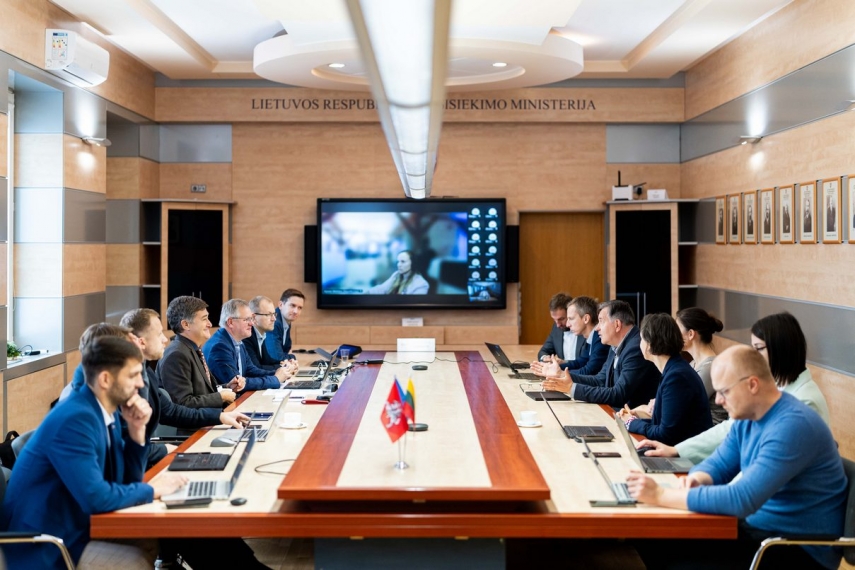
A high-level meeting was held on 21–22 October in Vilnius between the European Climate, Infrastructure and Environment Executive Agency (CINEA) and representatives of the Rail Baltica delivery organizations to review the project’s progress and outline the next phase of construction and technical activities. During the visit, the project’s central coordinator, RB Rail AS, signed a new Connecting Europe Facility (CEF) grant agreement with EU contribution of €295.5 million, supporting continued implementation across Estonia, Latvia, and Lithuania. Of the total amount, approximately €47.1 million is allocated to Estonia, €153.5 million to Latvia, and €94.9 million to Lithuania, including the share allocated to RB Rail AS as the joint project coordinator.
In Estonia, the granted funding will support the continued construction of the mainline from Tallinn to the Estonia/Latvia border, including 10.2 km of embankment and double-track substructure in the Rapla–Pärnu section.
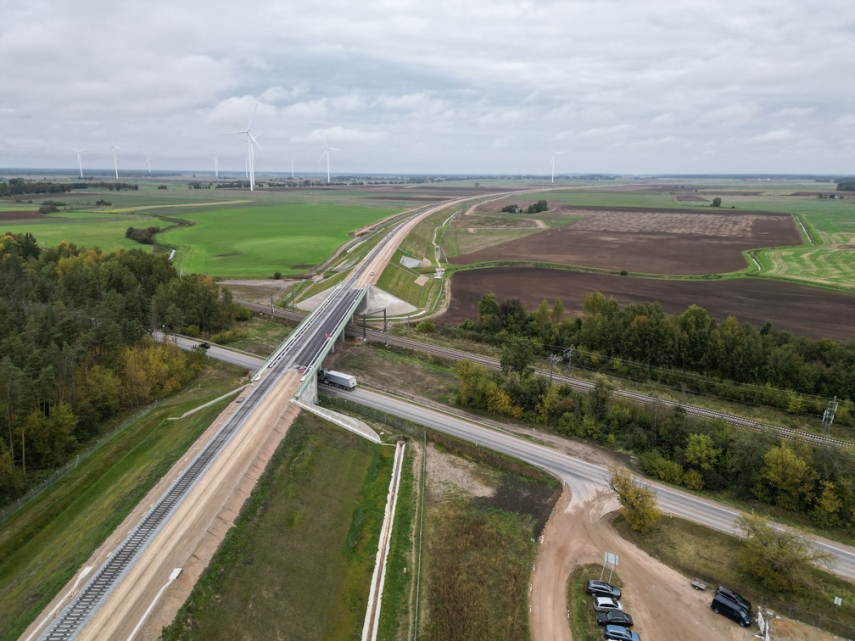
Rail Baltica construction in Latvia and related activities will include the construction of the railway embankment in four southern sections of the main line, with a total length of 13.3 km. The works will include the construction of access and maintenance roads, installation of water drainage systems, construction of engineering communications, as well as other works necessary for the embankment construction. In addition, construction supervision and control will be carried out. Work will also be carried out on the technical design of the Rail Baltica electrification project in the section Upeslejas – Latvia/Lithuania border (Phase I) and on project implementation support measures (this includes FIDIC engineer services to ensure the supervision and compliance of the electrification technical design with the requirements of the global project, as well as construction project expertise).
In Lithuania, key structures such as overpasses and railway crossings will be built in the Kaunas Urban Node section. The grant also covers technical studies and design work, including regional station infrastructure, technical design for sections from Kaunas to the Lithuanian/Polish border, and executive design services. Additionally, land acquisition and related procedures will be carried out in the Kaunas area.
Furthermore, RB Rail AS, the joint venture responsible for Rail Baltica’s delivery, has been granted financing to continue overseeing cross-border project coordination and rest of works in line with the Project Management Agreement.
"CINEA’s continued support enables us to keep steady progress on the Rail Baltica mainline construction. With this funding, we can advance key sections in all three countries,” said Marko Kivila, CEO and Chairman of the Management Board, RB Rail AS.
Regarding the progress meeting in Vilnius
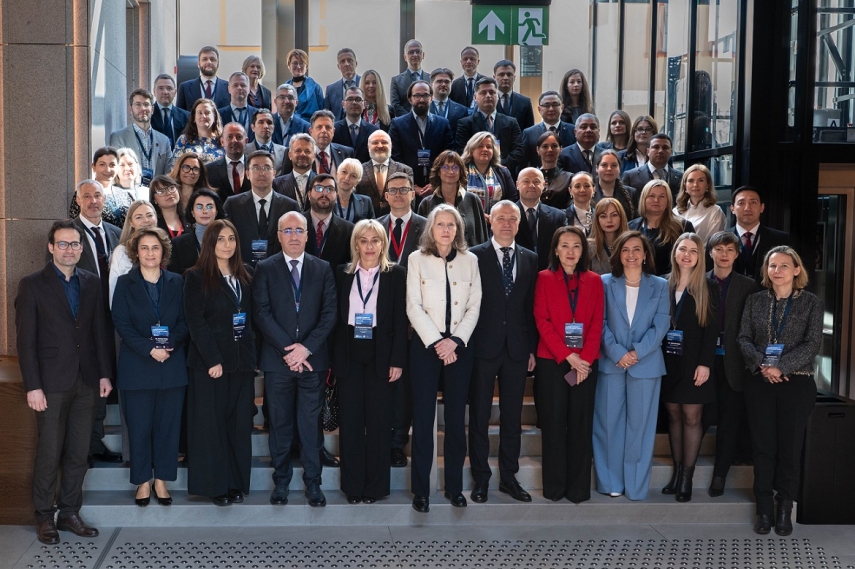
A high-level meeting in Vilnius brought together CINEA and Rail Baltica delivery organizations to review project progress and coordination under CEF funding. Participants also visited key construction sites in Lithuania, including the Neris Bridge, where works are advancing on 8.8 km of double-track structures and embankments.
“Effective cooperation and open, transparent reporting between RB Rail, CINEA, and the national implementing bodies are key to maintaining trust and ensuring steady project delivery. This close coordination enables us to identify and resolve challenges early, accelerate decision-making, and keep the Rail Baltica on track toward its objectives,” stressed Ojārs Daugavietis, Member of the Management Board and Chief Financial Officer at RB Rail AS.
The next CINEA progress visit is planned to take place in Latvia in November 2025.
Rail Baltica progress today
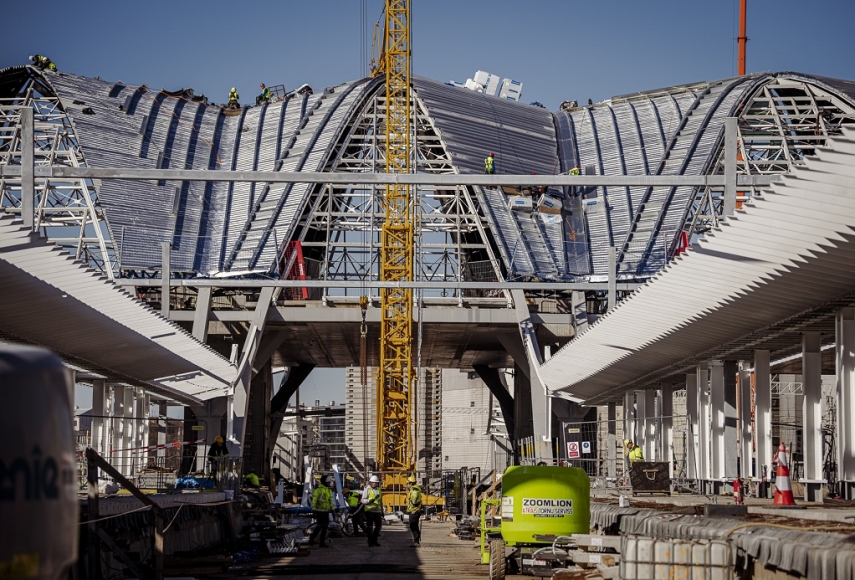
Rail Baltica has entered full-scale construction across Estonia, Latvia, and Lithuania, with mainline works, international stations, bridges, and crossings advancing.
In Estonia, construction is underway on 105 km of substructure and related infrastructure, including overpasses, crossings, and traffic junctions. Contracts have been signed for 200 km of substructure and superstructure construction. More than 100 km of railway substructure is currently being built, including works at the flagship Ülemiste Terminal.
In Latvia, Rail Baltica’s mainline construction is advancing with priority given to the southern section near Iecava - a key stretch connecting Riga to the Lithuanian border. This area marks one of the most active construction zones, where large-scale earthworks, road crossings, and engineering structures are taking shape as part of the 202 km of Rail Baltica infrastructure being built across the country.
In Lithuania, construction is progressing on the Kaunas–Panevėžys section, where 77 km of embankments and engineering structures are currently being built. By the end of 2025, construction works will extend over 114 km, including track laying and a new bridge over the Neris River, which will be the longest in the country.
By the end of 2025, 43% of the Rail Baltica mainline will be construction-ready, marking a decisive leap toward Europe’s most ambitious cross-border rail project.

Please enter your username and password.

2026 © The Baltic Times /Cookies Policy Privacy Policy