TALLINN -- Estonian Prime Minister Andrus Ansip has re-asserted hiscountry's commitment to adopting the euro at the earliest opportunity.
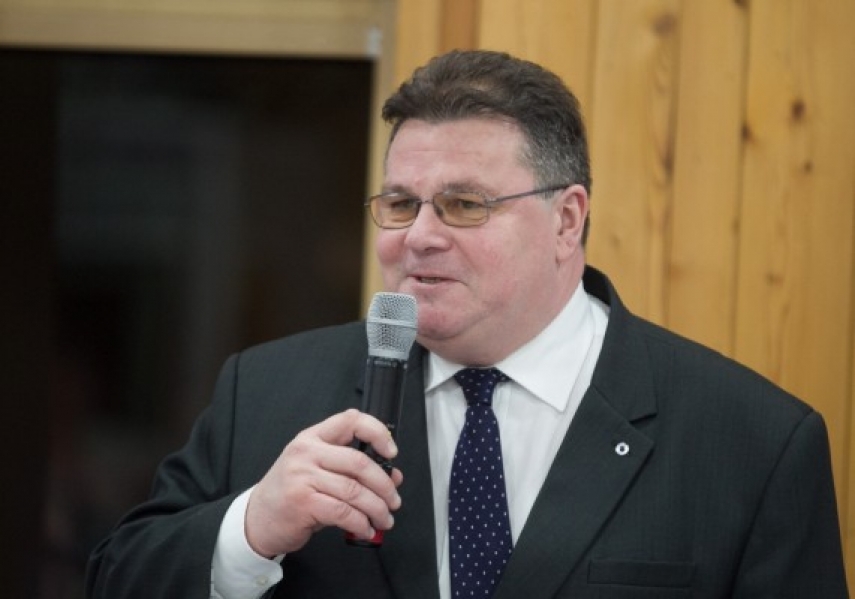
Speaking during a visit to Slovenia, Ansip said: "Wewould like to join the euro zone as soon as possible. It's a great dream forEstonia... we will continue with our strong fiscal policy."
Slovenia became the first Eastern European state to adoptthe euro, replacing its indigenous currency, the tolar, on January 1, 2007. Itspath to euro-adoption has been closely studied by other countries wanting tojoin the eurozone and the parallels with Estonia are clear. Both countries aresmall but investing in education and hi-tech industries while concentrating oneconomic efficiency.
Ansip said inflation was the only obstacle remaining to Estonia's drive towardsthe euro.
"The rate of the Estonian kroon is pegegd to the euro and when you controlthe exchange rate you cannot [also] control the level of interest rates and thevolume of money on the market." Ansip explained.
"Inflation is a hot topic everywhere. It's not a surprise that inflationrate is increasing even here in Slovenia after the enlargement of the eurozone," said Ansip.
But despite repeated assurances that Estonian economicpolicy is on track, and exasperated statements from the central bank,devaluation rumours refuse to disappear.
Estonian businessman Leonid Tsingisser became the latest nay-sayer on Nov. 28.Speaking in the Eesti Paevaleht newspaper, Tsingisser described devaluation as inevitable.
"Devaluation is a matter of time," said Tsingisser, a memberof the People's Union party. "It is inevitable. What is the point ofdevaluation if everybody can prepare for it?"

Please enter your username and password.
2024 © The Baltic Times /Cookies Policy