Photo: Sorin Tincu from Pixabay
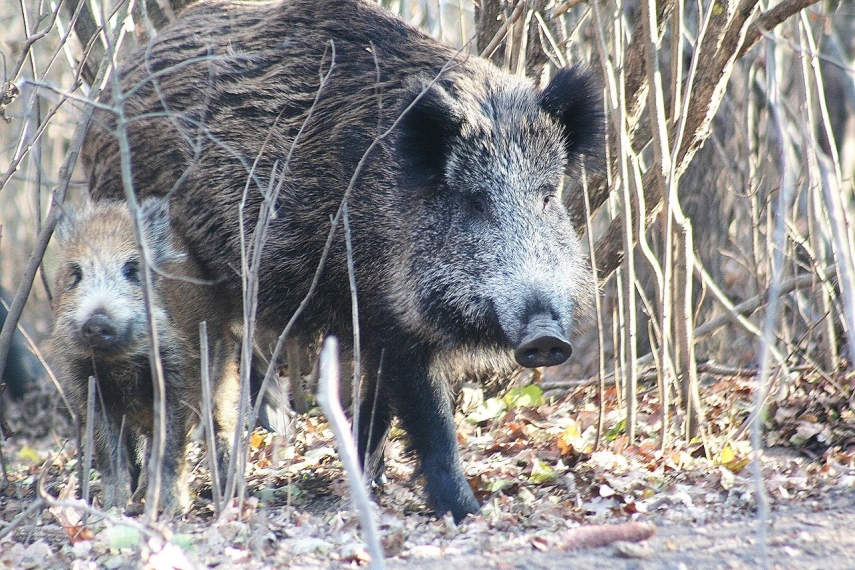
TALLINN - The Environmental Agency has published the hunting data for the 2025/2026 hunting season, which shows that wild boars were the most hunted animal.
The state of Estonia's wild game populations is constantly changing, influenced by natural processes, climate conditions, the spread of diseases, and various other economic and social factors. In 2025, the focus was on wild boars due to efforts to control African Swine Fever (ASF) and on wolves, whose high numbers led to an increase in livestock depredation.
The most hunted animal last season was the wild boar, with a total of 16,847 animals culled. However, this figure fell about 3,000 short of the mandatory quota set by the Environmental Board for hunters to limit the spread of African Swine Fever (ASF) and reduce the boar population. The shortfall was most significant in counties where widespread ASF had already caused high mortality rates, leading to a substantial population decline by the autumn of 2025.
A total of 3,260 moose were hunted last season. The moose population has remained moderate in recent years, between 10,000 and 11,000 individuals, and is expected to have remained at the same level after the season.
A total of 3,309 roe deer were hunted, the lowest number in twelve seasons. The majority, nearly 60 percent, were hunted in the roe deer-rich Saare County. On mainland Estonia, where the roe deer population declined significantly a few years ago and has remained low due to strong predator pressure, 1,198 were hunted.
A record was set for the hunting of red deer, with a total of 3,947 hunted last season-302 more than the previous year. As usual, the lion's share, over 70 percent, were hunted in Saare County.
For several years, the wolf population has exceeded the level agreed upon in the large carnivore protection and management plan, resulting in significant damage to pets and livestock. On the mainland, 167 wolves were hunted last season, the highest number in 29 years. As in the previous season, no wolves were hunted in Saare or Hiiu counties.
Although Estonia's bear population is in very good condition with numbers on an upward trend, only 32 bears were hunted last season-about three times fewer than in previous years. While a significantly higher number of hunting permits were issued, the Environmental Board's decision was challenged, and the Tallinn Circuit Court suspended the hunt under a preliminary injunction.
A total of 119 grey seals were hunted, the highest number in the eleven-year period since hunting was resumed after a long pause. The grey seal population has been on a long-term upward trend in both Estonian waters and the wider Baltic Sea.
Among small game, more badgers (530), raccoon dogs (6,781), and barnacle geese (4,008) were hunted compared to previous years. However, the number of hunted beavers (3,587) and bean geese (457) fell to a two-decade low. In total, 62,427 game animals were hunted, consisting of nineteen mammal species (70 percent) and twenty-nine bird species (30 percent).
More detailed game hunting data is available on the Environmental Portal. Data for the 2025 season at the county and hunting district levels can also be found there as interactive maps, graphs, and CSV tables.
The Environmental Agency will publish hunting recommendations for the new 2026/2027 season in its game monitoring report in early July. The 2025/2026 report is available until then.
The Environmental Agency collects and analyzes game monitoring data to provide an official, science-based overview of species abundance, distribution, and population status. This information is crucial for making balanced hunting and conservation decisions, preventing environmental and economic damage from overpopulation, and maintaining ecosystem balance. Game population management in Estonia is based on broad principles of environmental protection and natural resource use, as outlined in national development plans and regulatory documents.

Please enter your username and password.


2026 © The Baltic Times /Cookies Policy Privacy Policy