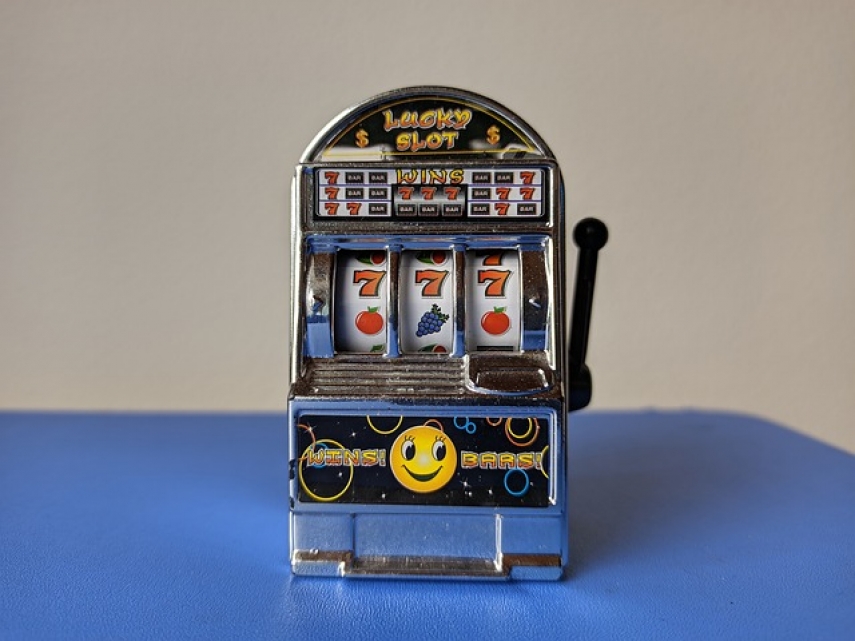

Photo: Kirill Averianov from Pixabay
For the past decade, mobile-first entertainment has been closely tied to apps. If a service wanted to reach people on their phones, the assumption was simple: build an app, encourage downloads, and compete for a place on the home screen.
That approach still matters, but it no longer explains how people actually consume entertainment today.
Across Europe, and particularly in digitally mature regions like the Baltics, entertainment has become something that fits around daily life rather than interrupting it. Mobile entertainment is increasingly defined not by what people install, but by what they can access instantly, without friction or long-term commitment.
Entertainment in Short, Unplanned Moments
Entertainment once required intention. You chose a moment, opened a specific platform, and stayed there for a while. Watching a show, playing a game, or listening to music meant setting aside focused time.
Mobile phones quietly changed that rhythm.
Today, entertainment appears in short, unpredictable gaps, between meetings, during commutes, while waiting for a reply, or in the minutes before sleep. These moments are fragmented and often brief, which naturally favors content that can start quickly and end just as easily.
This shift is visible across digital culture. Short videos, messaging, and lightweight interactive experiences now fill more of the day than long, uninterrupted sessions. Games are no exception.
Why Apps Are Not Always the Best Fit
Apps remain powerful tools, especially for services people use every day. But they also come with friction that is becoming harder to ignore.
Installing an app requires intent. It takes storage space, demands updates, requests permissions, and often pushes notifications that compete for attention. For entertainment that might only be used occasionally or for a few minutes at a time, this can feel like too much commitment.
As phones fill up and notification fatigue grows, many users become more selective. They reserve app installs for essentials and daily habits, while looking for lighter ways to access everything else.
This is where mobile-first entertainment begins to move beyond the app model.
The Appeal of Instant Access
Modern mobile browsers are far more capable than they were even a few years ago. Faster connections and improved performance allow rich, interactive experiences to run smoothly without installation.
For users, this translates into entertainment that is immediately available, easy to leave and return to, usable across devices, and free from long-term commitment.
Established browser gaming platforms such as Y8 Games illustrate how instant-access games continue to attract mobile and desktop users who prefer quick play without downloads or ongoing obligations.
Rather than replacing apps, instant-access experiences are filling a different role, serving moments when convenience matters more than depth.
Gaming Beyond App Stores
Gaming offers one of the clearest examples of this change.
While mobile app games remain popular, especially for longer sessions, there is growing demand for experiences that fit into short breaks. These games are often simple to understand, quick to start, and satisfying even in brief play sessions.
Casual, pick-up-and-play formats work particularly well in this context. Racing and driving experiences, for example, tend to be immediately intuitive, they require little explanation and deliver a sense of motion and challenge even in very short sessions. For mobile users, this makes them especially well suited to moments when attention is limited and time is fragmented.
Unlike complex games that rely on progression systems or extended tutorials, these experiences are self-explanatory. Players understand the objective almost instantly, interact briefly, and move on without feeling the need to commit or remember where they left off.
Some lightweight driving titles, such as Drift Boss, fit naturally into these moments, offering self-contained play that requires no setup or long-term progression.
Why This Trend Is Especially Visible in the Baltics
The Baltic region provides a particularly clear view of how these habits are forming.
High internet penetration, strong mobile infrastructure, and digitally literate populations mean that users are comfortable moving between platforms and formats. Work culture in urban centers often revolves around screens, messaging, and flexible schedules, creating frequent short breaks rather than long idle periods.
In this environment, entertainment that respects time constraints feels more natural than entertainment that demands immersion.
There is also a strong preference for efficiency and usefulness. Digital experiences are expected to work quickly, smoothly, and without unnecessary steps. Instant-access entertainment fits neatly into this mindset.
A Broader Cultural Shift
What is happening in mobile entertainment reflects a larger cultural change in how digital experiences are valued.
Convenience is increasingly prioritized over complexity. Flexibility often matters more than feature depth. The ability to start and stop without penalty has become a defining characteristic of modern entertainment.
This does not mean long-form experiences are disappearing. Films, series, and deep games still have their place. What has changed is balance. Short-form, low-friction entertainment now fills much more of the day, while longer experiences become more intentional and occasional.
In this sense, mobile-first entertainment is less about technology and more about behavior.
Looking Beyond the App Economy
For years, success in mobile entertainment was measured through downloads, retention, and time spent. While these metrics remain relevant, they no longer tell the full story.
Some of the most frequently used digital experiences today leave little trace. They are accessed casually, shared through links, and consumed briefly. Their value lies not in how long they hold attention, but in how well they fit into everyday life.
Instant browser-based experiences, lightweight games, and short interactive sessions all operate in this space. They are not competing directly with apps, but complementing them.
A Future Shaped by Friction Awareness
As mobile ecosystems continue to mature, the most successful forms of entertainment may be those that understand friction best. Reducing unnecessary steps, minimizing commitment, and respecting time are becoming competitive advantages.
Mobile-first entertainment, then, is no longer just about screen size or touch controls. It is about designing experiences that acknowledge how people actually live, work, and relax.
Apps will remain important, but they are no longer the only path. The browser, once seen as a limitation, is quietly reclaiming its role as a gateway to instant, flexible digital play.

Please enter your username and password.

2026 © The Baltic Times /Cookies Policy Privacy Policy