Photo: www.pixabay.com
Not Just Spinning Blades
Many people think about energy mainly in numbers — kilowatts, volts, efficiency. But in reality, it’s much more about balance. Not only the physical kind, but the kind you get when a machine truly understands what’s happening and knows how to adjust itself accordingly.
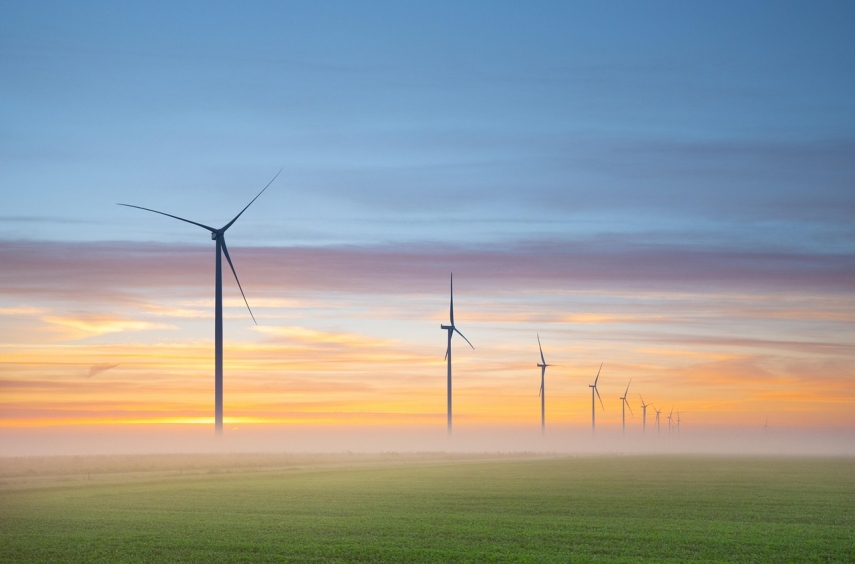
Take a wind turbine, for example. From the outside, it looks steady and calm. But inside, it’s a different story. The loads are constantly changing, the wind is far from consistent, and the system has to keep up — without breaking down or wasting energy. You can’t just throw together a simple script and expect everything to run smoothly.
Training and Support Where It Counts
Modern wind power systems demand more than just theoretical knowledge. They require people who can model, test, and control complex equipment in real-life conditions. That’s why specialist training and hands-on support are so important.
Some teams specialize in integrating flywheel systems or implementing intelligent control for DFIG-based turbines. Others work with programmable logic controllers and advanced neural network architectures. But whether it’s training engineers or supporting a control system from design through deployment, the goal remains the same: build systems that operate reliably under pressure — and develop people who truly understand how they do it.
For organizations looking to develop their teams’ skills or receive expert assistance during wind turbine control system development, this engineering-focused program outlines the kind of expertise and guidance available.
It’s Not Just About Wind
Wind turbines are just one piece of the puzzle. Across many industries — from electric vehicles to aviation — a similar transformation is underway. Machines are no longer controlled by a handful of simple loops and switches. Instead, they are complex networks with sometimes hundreds of signals reacting to temperature, voltage, torque, and more. Some projects work with 48V circuits, while others push beyond 400V, exploring the limits of what’s possible inside moving platforms.
This level of complexity doesn’t resolve itself. Someone has to design the systems that keep these machines running.
Real Engineering Happens Behind the Scenes
True engineering work rarely grabs headlines or shows up in commercials. But it’s what ensures systems run safely, reliably, and meet strict operational demands.
When it comes to electric drives, thermal modeling, or integrating complex subsystems, you need a team that can combine electrical design, simulation, and software development — not just on paper, but within tight project constraints.
These specialists work quietly behind the scenes: designing, testing, fine-tuning loss calculations, and validating simulations. They repeat this cycle until everything meets the requirements.
For companies needing full-cycle support in electric machine development and related systems, this engineering services page offers solutions covering everything from concept and modeling to testing and certification.
It’s not flashy, and you won’t see it in ads. But someone has to calculate exactly how to keep a drive stable at altitude or prevent a motor from overheating without shutting down the whole system.
And If It Works? Nobody Notices.
That’s the whole point.
When control is solid, the system feels simple. That’s what defines good energy systems — not just powerful, but invisible.

Please enter your username and password.

2026 © The Baltic Times /Cookies Policy Privacy Policy