RIGA - The war in the Middle East is having a negative impact on the situation in Ukraine in the short term following Russia’s full-scale invasion, but in the long term, depending on how the conflict is resolved, the outcome could be positive, Toms Ratfelders, a researcher at the Latvian Institute of International Affairs, told LETA.
The conflict in the Middle East is currently having a negative impact on Ukraine due to various circumstances, Ratfelders noted. Because of the war, Gulf states have requested air defense systems from the U.S., thereby limiting support for Ukraine. At the same time, rising oil and natural gas prices could put pressure on Western countries to ease sanctions imposed on Russia. Easing sanctions would increase Russia’s funds for financing military operations. The researcher noted that U.S. President Donald Trump could also face political pressure to end the war in the Middle East sooner, so peace talks regarding Ukraine might not be on the president’s agenda.
Ratfelders noted that it is currently impossible to speculate on the outcome of the war, but it must be remembered that an Iranian defeat would seriously undermine Russia’s global influence. He highlighted that several of Russia’s allies - former Venezuelan President Nicolas Maduro and former Syrian President Bashar al-Assad - are no longer in power. Although Russia would still retain influential allies in North Korea and Belarus, it would nonetheless be more isolated, the researcher noted. He also added that at present, he does not believe the Iranian regime is on the verge of collapse.
For the conflict in the Middle East to end, Iran and the U.S. must achieve their respective goals. Ratfelders noted that Iran will not back down from the war and views the conflict as a struggle for survival, since capitulating to Trump could cost them not only their positions but also their lives.
For Trump, meanwhile, the prolongation of the war increases domestic political pressure, as by launching a military operation, he has broken his key pre-election promises not to engage in large-scale military conflicts and has angered voters, the researcher noted. U.S. citizens are currently dissatisfied because significant resources are being poured into the war and the war is affecting global oil prices.
Ratfelders emphasized that there is currently no reason to panic that NATO or European countries might become involved in the war, and that the conflict’s further development must be monitored. The researcher noted that weapons that have previously accidentally flown into foreign territories increase the risk that the war could spread, but so far neighboring countries have taken a wait-and-see approach. He mentioned NATO member Turkey, toward which a missile fired last week was successfully intercepted. Turkey’s involvement in the conflict would be disadvantageous for both sides, the researcher noted.
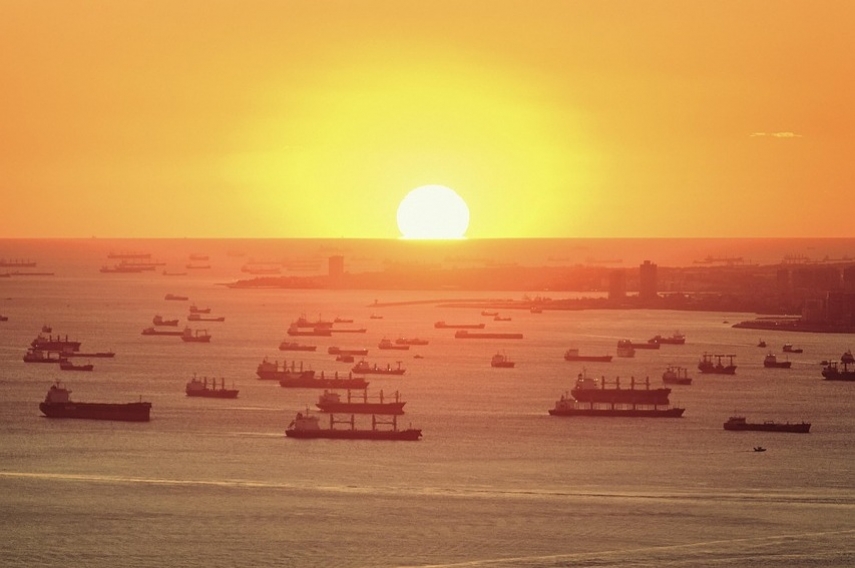
Commenting on the economic situation caused by the war and the ships stranded in the Strait of Hormuz, the researcher noted that the U.S. has the capability to ensure security and escort the stranded ships, as the U.S. has ships deployed in the Persian Gulf and a naval base in Bahrain. Ratfelders did not rule out the possibility that European ships could also provide assistance.

Please enter your username and password.

2026 © The Baltic Times /Cookies Policy Privacy Policy