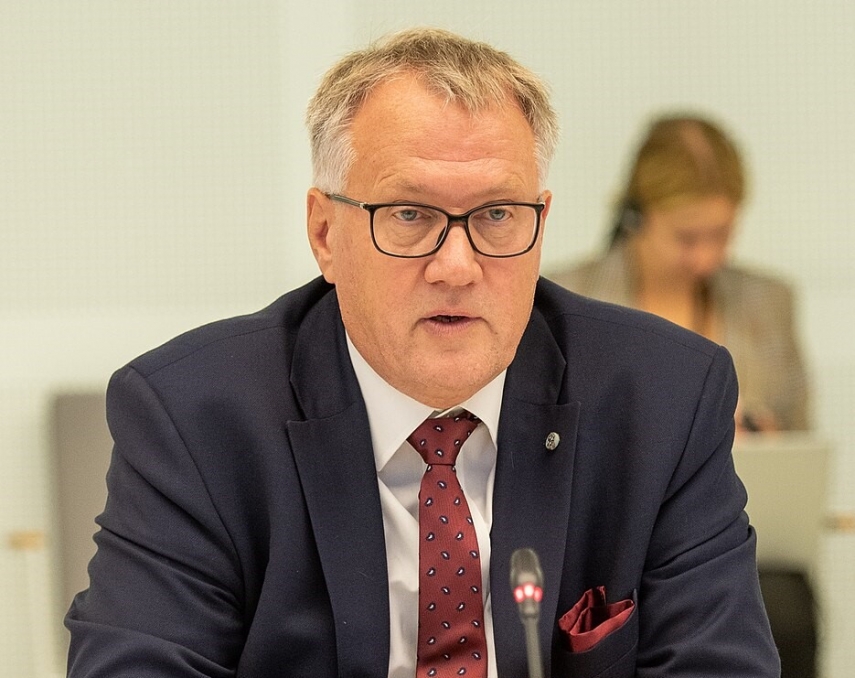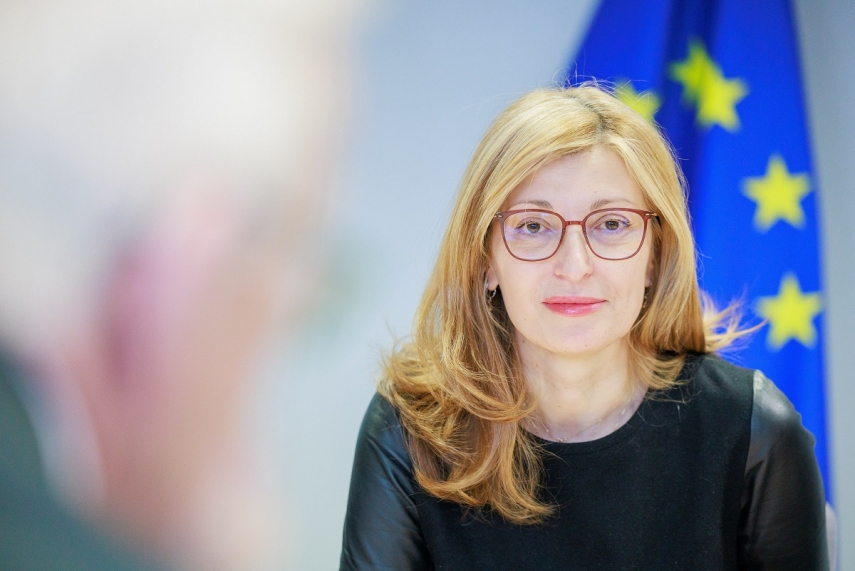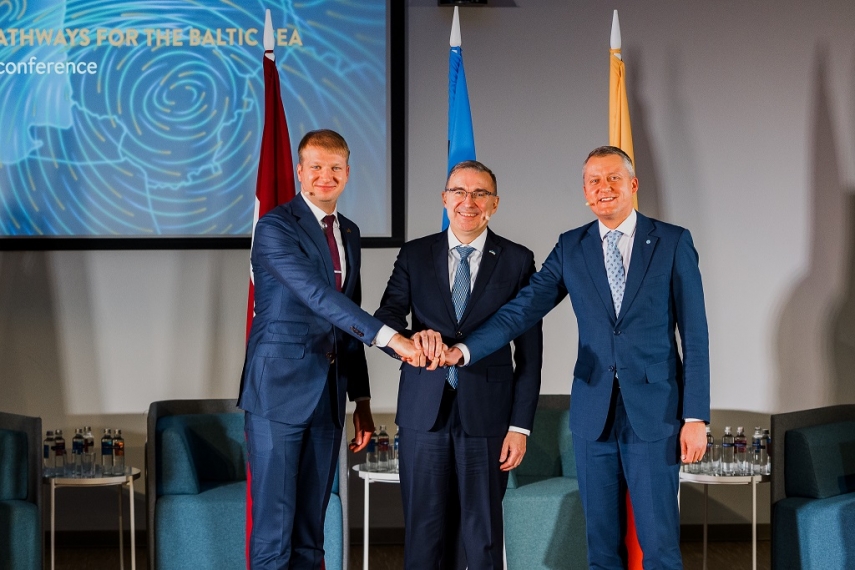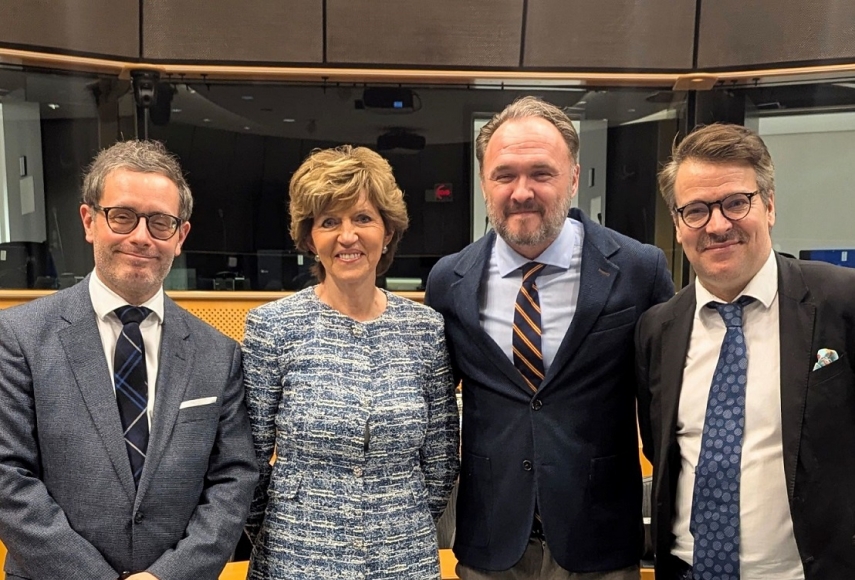
Photo: Inese Vaidere MEP, Danish Presidency – ambassador Søren Jacobsen, EU Commissioner Dan Jørgensen, MEP and co-rapporteur Ville Niinistö
After lengthy negotiations late in the evening on December 2, the European Parliament and EU member states have reached an agreement to phase out Russian gas, LNG, oil, and petroleum products, strengthening the European Commission’s REPowerEU proposal and closing key loopholes to prevent circumvention.
"Tonight’s agreement sends a clear and powerful message: Europe will never again be dependent on Russian gas. This is a major achievement and a historic turning point in our energy policy. The European Parliament had adopted an exceptionally firm and sound position, significantly strengthening the Commission’s proposal. Of course, the result is a compromise, as we had to take into account the interests of Member States, but the direction is clear. Europe paid Russia more for energy than it provided to Ukraine in support. Every day Europe continues purchasing Russian energy means lives lost in Ukraine,” says Inese Vaidere MEP (EPP Group, Latvia), European Parliament’s lead negotiator for the International Trade committee.
The deal introduces an exemption from prior authorisation for gas imports, tighter monitoring (including on shadow fleets), and effective, harmonised maximum penalties. New contracts for Russian energy will be prohibited from 1 January 2026.
During the negotiations, MEPs pushed for a full ban on Russian oil imports and obtained a commitment from the European Commission to draft legislation for such a ban at the start of 2026, with the aim of making it effective by the end of 2027. They also worked to reinforce the conditions under which the import ban could be temporarily suspended in exceptional cases linked to EU energy security. To prevent loopholes and reduce the risk of circumvention, operators will be required to provide customs authorities with stricter and more detailed proof of the gas’s country of origin before it is imported or stored.
The co-rapporteur on this file in the European Parliament is Ville Niinistö MEP (Finland). Work on this proposal was not easy, and it proceeded at a very rapid pace. However, within a few months, agreement was reached between all the major political groups in the European Parliament and with the EU Member States.

Please enter your username and password.

2026 © The Baltic Times /Cookies Policy Privacy Policy