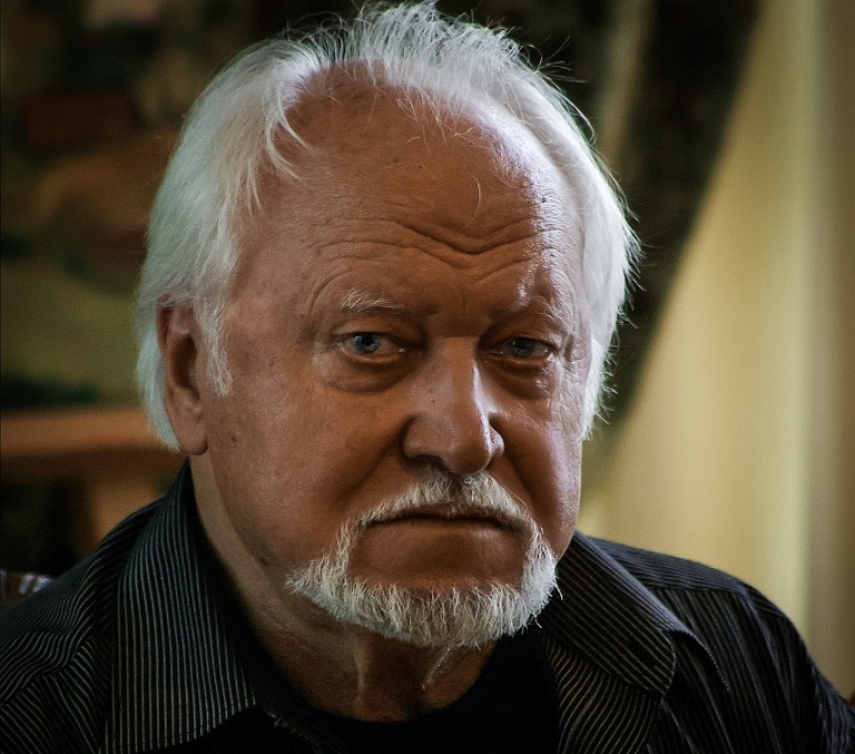
RIGA - The US-led peace talk process does not solve the causes of the conflict and can only lead to the freezing of the war of aggression launched by Russia in Ukraine, Maris Cepuritis, Director of the Center for Eastern European Policy Studies and lecturer at Riga Stradins University, told LETA.
He noted that the talks between Russia and the US on Tuesday were part of the process, but no substantial agreements had been reached. Cepuritis admitted that Russia had tried to maintain its earlier claims to Ukrainian territories.
The Director of the Center for Eastern European Policy Studies pointed out that the negotiation process is likely to continue, but without significant developments, as Russia's demands are not acceptable to Ukraine. In Cepuritis' view, the current US-led initiative is focused on concluding a "paper agreement", which is important for the US administration and President Donald Trump, but does not contribute to the substantive resolution of the conflict. He stressed that a just peace requires punishing the aggressor, not rewarding it.
The expert reminded that the 28-point plan previously circulated places the greatest burden of responsibility on Ukraine, which does not comply with either the principles of international law or moral norms. In his view, this format moves away from effective conditions for conflict resolution, as it does not deal with the root causes of the conflict, nor has neutral mediators.
The Director of the Center for Eastern European Policy Studies pointed out that in the current process Steve Witkoff, who has largely lost credibility in the eyes of Ukraine and Europe, can no longer be considered as a neutral mediator, not least given the content of his talks with Kirill Dmitriev on how to present negotiating points to the US President. It is a trust that is difficult to regain, he concluded.
In his view, the most that can be achieved in such a negotiating format is a freeze of the current situation - a cessation or reduction of hostilities on the current front line, but with a high probability of a renewed conflict in the future.
As regards the statements of Russian President Vladimir Putin, Cepuritis pointed out that they were largely addressed to Europe, positioning EU countries as the ones obstructing the peace process. In his view, the talks will not have a significant impact on the current security situation and Russia is likely to continue its military pressure on the ground and air attacks, including against Ukraine's civilian infrastructure, as well as its hybrid actions against European countries in order to get the West to concede to Russia's demands.

Please enter your username and password.

2026 © The Baltic Times /Cookies Policy Privacy Policy