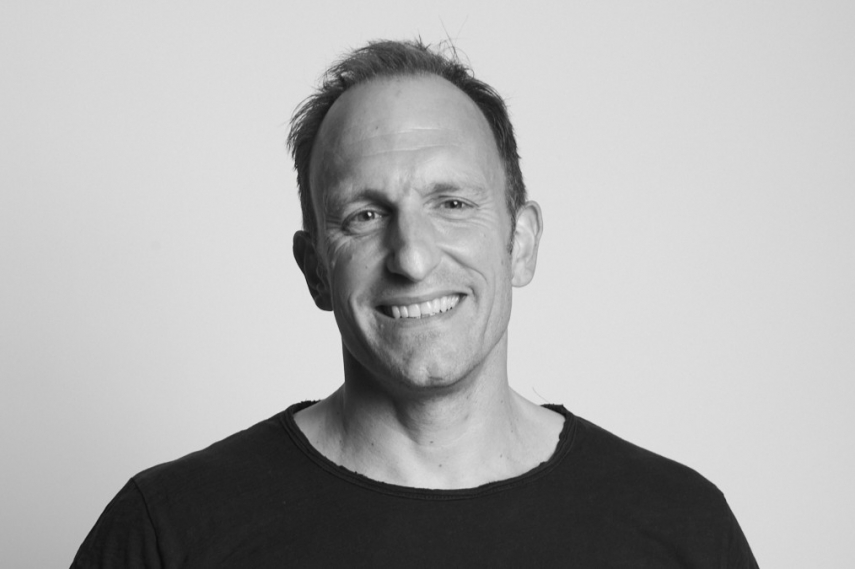
TALLINN - During meetings in Canberra on Wednesday, Foreign Minister Margus Tsahkna discussed the threat posed by Russian fighters, the need to establish a special tribunal to hold Russia accountable, and cooperation in the further support of Ukraine.
In a meeting with Australian Minister for Home Affairs Tony Burke, Tsahkna introduced Estonia's initiative, which has established an entry ban to the Schengen area for over a thousand Russian fighters to protect Estonia and other European countries from the threats they pose.
"Russian fighters have no future prospects in Russia, and after the war, many of them will likely look for a way to leave the country," Tsahkna said. "These Russian fighters, with their combat experience and anti-Western sentiment, could become a prime recruitment pool for Russian special services to carry out acts of sabotage. They could pose a threat not only to Europe but also to countries like Australia."
The ministers also discussed developments in the Middle East and Australia's efforts in offering asylum to members of the Iranian women's national football team.
In a meeting with Assistant Minister for Foreign Affairs Matt Thistlethwaite, Tsahkna commended Australia for its contribution to supporting Ukraine. They also discussed opportunities for closer cooperation in this field.
"One opportunity for cooperation between Estonia and Australia in supporting Ukraine is the Tallinn Mechanism, which aims to support Ukraine's cyber defense and its capacity to restore and develop relevant infrastructure, ensuring its long-term resilience to cyberattacks," Tsahkna said.
In a meeting with Australian Shadow Attorney-General Michaelia Cash, the establishment of a special tribunal to hold the Russian leadership accountable for the crime of aggression was discussed in depth.
"With its aggression against Ukraine, Russia is violating the norms of international law, and if justice is not served, it will undermine the sense of justice and security of all nations worldwide," Tsahkna said.
"The creation of a special tribunal for the crime of aggression is essential to ensure that one of the gravest international crimes and its perpetrators do not go unpunished. We also call on Australia to take action towards launching this special tribunal," Tsahkna said.
In February, Estonia became the first country whose parliament officially confirmed its readiness to support the administrative functioning and funding of the special tribunal to be established under the Council of Europe.
The purpose of the special tribunal is to investigate and prosecute the individuals most responsible for committing the crime of aggression. The special tribunal will complement the work of the International Criminal Court (ICC): the ICC is investigating crimes against humanity and war crimes committed in Ukraine, while the special tribunal will address the crime of aggression.
On Wednesday, Tsahkna also participated in a solemn ceremony at the Australian War Memorial, where he laid a wreath on behalf of Estonia in memory of Australians killed in wars.
At a public event at the Australian Strategic Policy Institute (ASPI) think tank, the foreign minister discussed Estonian and European security, Russia's aggression in Ukraine, and developments in the Middle East, as well as speaking about Estonia's history and its digital success story.
On Tuesday, Tsahkna was in Sydney, where he met with the Estonian community and was presented with the Estonian presidential flag, which was rescued from Tallinn in 1944 and had been kept safe in Australia for over 80 years.
The foreign minister's visit will continue in Canberra on Thursday, with meetings scheduled with Australian Minister for Foreign Affairs Penny Wong and Minister for Trade Don Farrell, among others.

Please enter your username and password.

2026 © The Baltic Times /Cookies Policy Privacy Policy