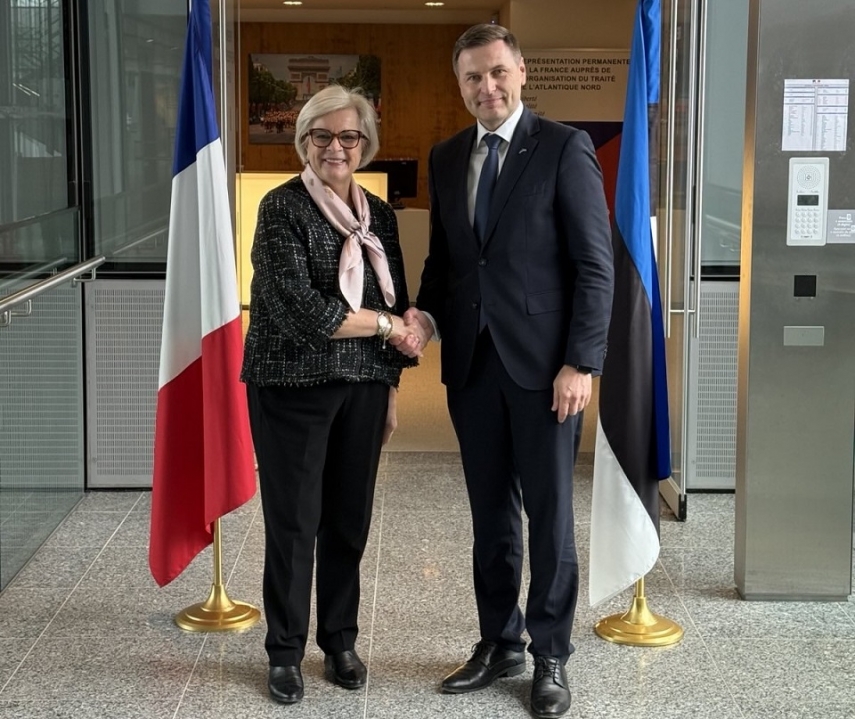
TALLINN – Restrictions on plant protection products and their active ingredients should not take effect until farmers have a genuinely effective alternative available, Minister of Regional Affairs and Agriculture Hendrik Johannes Terras said at a meeting in Brussels on Monday with European Commissioner for Health and Animal Welfare Olivér Várhelyi.
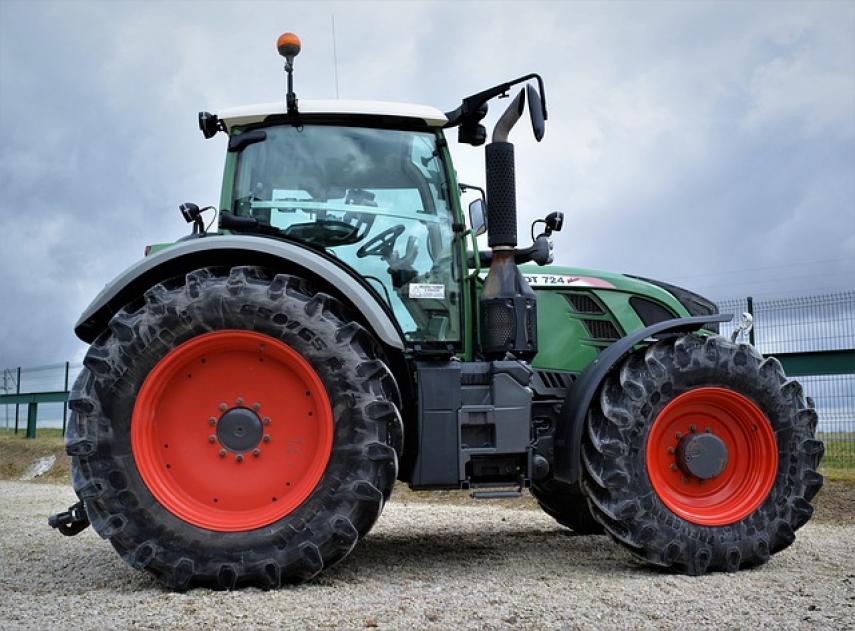
"Safety always comes first, but restrictions on the use of plant protection products cannot be implemented until farmers have a genuinely effective alternative to pests and plant diseases; otherwise, yields will be smaller, quality will suffer, and this will ultimately affect everyone's wallet through store prices," Terras said.
According to the minister, pests and plant diseases will not disappear along with the restrictions, and the greatest risk in fields arises when several control options are lost over a short period without equivalent replacements on the market. In such a situation, the effectiveness of control for some crops or during certain growth stages will be weakened during the growing season, meaning part of the harvest may go unharvested or be spoiled before or during the harvest.
The same problem continues after harvest during storage and processing, as a damaged or low-quality crop does not store well, its quality deteriorates faster, and losses are greater than usual. According to Terras, the dwindling choice of effective control options puts pressure on the remaining products, as farmers will use them more frequently, which increases the risk of resistance and, over time, reduces their effectiveness.
When resistance develops, the effectiveness of control measures against pests weakens further, and the risk to yield and quality progressively increases. Terras emphasized that while biological and low-risk solutions yield good results in many cases and the European Union must speed up their market approval, they are not a one-to-one replacement for chemical products in every situation, as their impact depends on the specific pest, timing of application, weather, and the plant's growth stage.
Estonia's message at Monday's EU Agriculture and Fisheries Council meeting in Brussels was that the European Union must accelerate the authorization process and market entry for new solutions. Furthermore, decisions must include the clear principle that in the absence of an alternative, the impact on yields, food quality, food prices, and security of supply must be assessed in addition to safety.
In addition to plant protection, the ministers at the meeting also discussed the future of agricultural subsidies, the simplification of rules, and unfair trading practices in the food supply chain.

Please enter your username and password.

2026 © The Baltic Times /Cookies Policy Privacy Policy