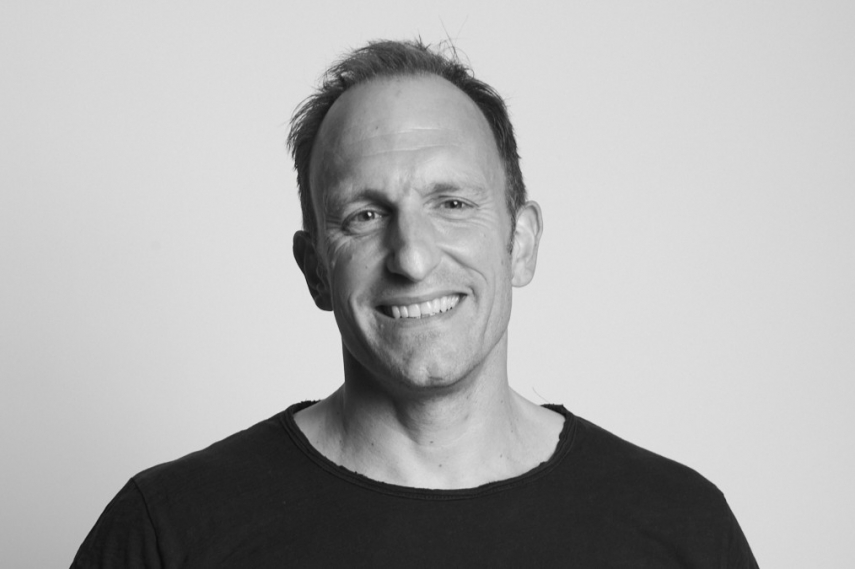
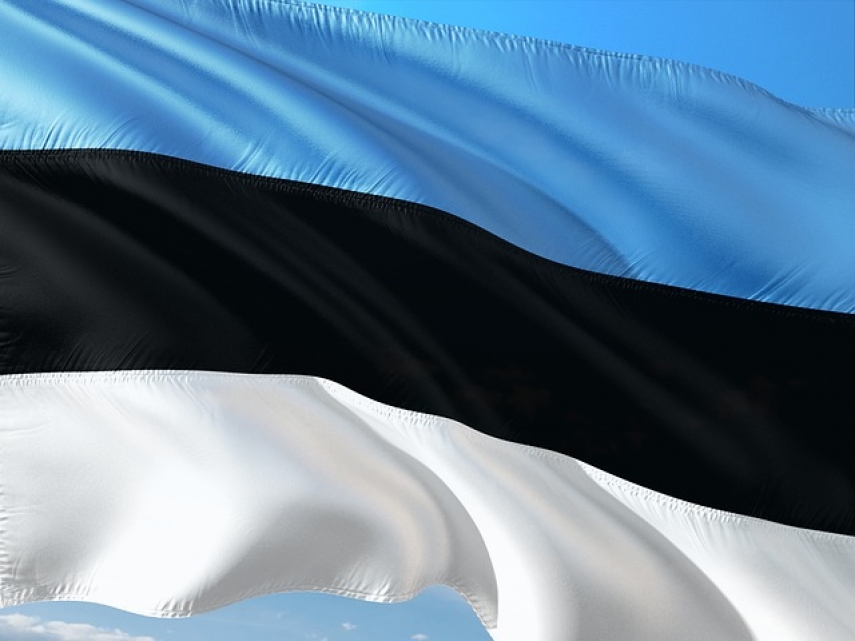
TALLINN - According to Kaupo Rosin, director general of the Estonian Foreign Intelligence Service, Russia has no plans to militarily attack Estonia or any other NATO country this year, and the service will highly likely reach the same assessment next year as well.
In the preface to the Foreign Intelligence Service's annual report, published on Tuesday, Rosin noted that Estonia, and Europe more broadly, have taken steps that force the Kremlin to calculate very precisely whether and what is worth attempting. At the same time, Rosin warned that Russia's military reform will increase its military capability in the future, and to counter this, Estonia and NATO must also continue to invest in defense.
"Over nearly four years, Russia has squandered the vast majority of military stockpiles inherited from the Soviet Union, lost and maimed about a million people on the front lines, and caused unspeakable suffering to Ukrainians. But Ukraine endures. Despite the unsuccessful performance, there are no signs of change in Russia's leadership: the Kremlin's figurehead Vladimir Putin remains convinced that Russia, with its unique role in the world, is following a 'special path.' Therefore, Russia continues on its path to completely annex Ukraine," he noted.
According to Rosin, the Russian regime's leader has succeeded, with the help of repression, in creating the illusion that there is no alternative to him - it is either Putin or an unknown abyss. "But no one is irreplaceable. The war in Ukraine has also caused severe suffering in Russia, and although Russians have created a myth of themselves as master sufferers, their pain tolerance is not infinite. A declining economy, an empty gas tank, and murderers and rapists returning from the front are affecting the average Russian more and more painfully. History shows that tightening societal screws has previously given Russians the courage to leap into the unknown. The image of Russia's omnipotence is equally Potemkin-like. What does the Kremlin have to show after nearly four years of war," Rosin wrote.
According to him, Russia faces a rearming Europe and a Ukraine that is more resolutely independent than ever before - as a Russian proverb advises, measure yourself by the size of your enemies. On the other hand, at home, there is a languishing economy, hundreds of thousands of maimed and traumatized citizens, and ever-deepening repressive measures - such is the 'Russkiy Mir'.
"The Kremlin has also failed to break the unity of the allies. Repeated failed attempts confirm that the leadership beyond the eastern border is simply not capable of it. And although Russia's acts of sabotage and influence operations do indeed occur, one should not conjure up a bogeyman where there is none: not every event has a clever plan or the Kremlin's omnipotent hand behind it; sometimes it is just a mere coincidence. As for Russia's own alliances, the recent developments in Iran and Venezuela have made it clear that an alliance with Russia does not bring much benefit - as it seems, the latter tends to forget its allies in times of trouble," writes Rosin.
"Despite its clumsy conduct, the eastern neighbor is dangerous, and to prevent the 'Russian world' from expanding, one must remain vigilant. Although sanctions have a clear impact on the Russian economy, there are still loopholes today that can be closed with various measures and cooperation among Western countries. This concerns the smuggling of dual-use goods to Russia, the vulnerabilities of Russia's explosives industry, or a critical technological breakthrough for NATO required by the development of the Russian armed forces' capabilities in the field of unmanned systems," he noted.
In Rosin's view, however, there is no reason to panic: according to the Foreign Intelligence Service's assessment, Russia has no intention of militarily attacking Estonia or any other NATO member state in the coming year. "We will likely reach a similar assessment next year as well - both Estonia and Europe more broadly have taken steps that force the Kremlin to calculate very precisely whether and what is worth attempting. Our task is to maintain this situation tomorrow and in the future. Russia's military reform will increase its military capability in the future - to counter this, we in Estonia and in NATO must also continue to invest in our defense. Russia's calculations of the balance of power must always be in our favor. It is precisely a firm and calm readiness that truly deters Russia. In this way, we demonstrate to Russia the traits it fears most - that we are free, resolute, and tenacious, and we decide for ourselves, without anyone forcing or pressuring us to do so," he noted.

Please enter your username and password.

2026 © The Baltic Times /Cookies Policy Privacy Policy