TALLINN - The mid-term evaluation report of Estonia's cancer control action plan 2021-2030 shows that while several significant advancements have been made in cancer control over the past five years, the overall implementation of the action plan is proceeding more slowly than planned. The results indicate a need for clearer management, stable funding, and better coordination.
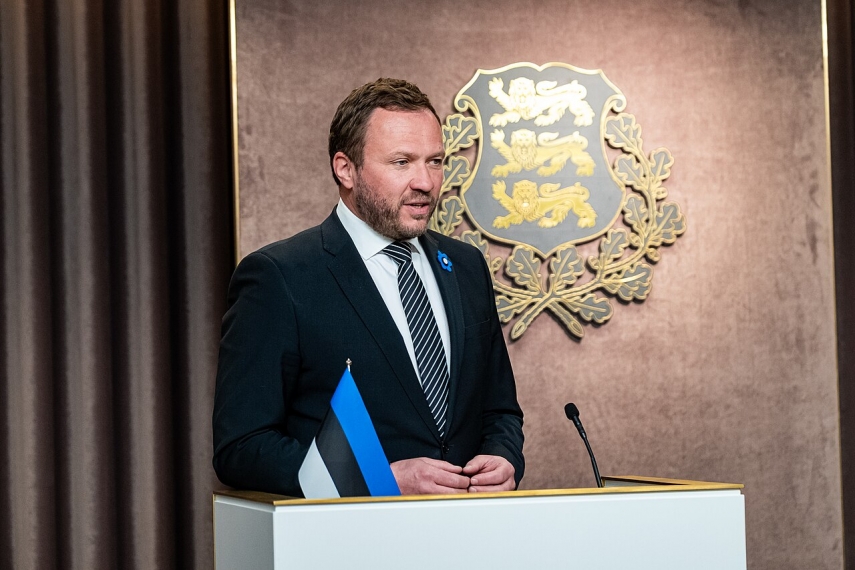
According to Minister of Social Affairs Karmen Joller, cancer control is one of the biggest challenges in Estonian healthcare. "Malignant tumors cause nearly a quarter of all deaths. At the same time, cancer is increasingly a chronic disease, and with timely detection, people can live for years and decades. This makes it all the more important for experts from very different fields to cooperate in cancer prevention and treatment," Joller said. "We still have a lot to do in implementing the cancer control action plan, but several very important steps have already been taken. For example, boys now also receive the HPV vaccine for free, and the increase in participation in screening programs is also gratifying."
During the mid-term evaluation, 215 activities were analyzed. Of these, 13 percent have been systematically implemented, 41 percent partially, and 45 percent have not yet been implemented. This is the most comprehensive review to date of the implementation of Estonia's national cancer control strategy.
The "Estonian Cancer Control Action Plan 2021-2030" is a national strategic document covering the entire cancer journey - from prevention and early detection to treatment, follow-up care, rehabilitation, and palliative care. The goal of the action plan is to reduce cancer incidence and mortality and to improve the quality of life for people living with cancer by ensuring patient-centered, evidence-based, and nationally coordinated cancer control.
The mid-term evaluation was conducted halfway through the action plan's validity period to provide an independent and systematic assessment of the progress so far, identify major obstacles, and formulate decisions necessary for the successful implementation of the plan's second half.
The report highlights several positive developments. In prevention, HPV vaccination has been expanded to include boys, and the participation rate in screening programs has increased to 62-65 percent. These steps create the preconditions for earlier cancer detection and reduced incidence in the long term.
The creation of the cancer control steering group and the screening steering group, as well as the establishment of the Estonian Cancer Control Network, are considered significant structural developments. Several initiatives have also been launched, including the creation of a cancer data dashboard, a pilot project for a standardized lung cancer treatment pathway in Tartu, and the provision of systemic therapy closer to home in several counties. According to the report, these steps have laid the necessary foundation for further systematic development.
However, the mid-term evaluation highlights three cross-cutting problems that hinder the full implementation of the action plan. Firstly, responsibility and management are dispersed among several institutions, resulting in a lack of clear overall accountability. Secondly, data systems in the cancer field are fragmented, which complicates both decision-making and the assessment of treatment pathway effectiveness. Thirdly, human resources in the cancer field have reached a critical limit.
The report emphasizes the shortage of oncologists, radiologists, pathologists, and medical physicists. The launch of new services and the maintenance of existing ones often depend on a few specialists and their personal dedication. Furthermore, specialized training for oncology nurses in Estonia is limited. These bottlenecks explain why many developments have not been implemented - they have relied on the initiative of specialists on top of their primary work.
The central outcome of the mid-term evaluation is six cross-cutting recommendations covering the entire cancer control action plan. These include ensuring clear ownership and stable funding; more realistic planning and working groups to address bottlenecks; data-driven management; systematic planning of human resources and innovation; developing a patient-centered and harmonized treatment pathway; and further strengthening prevention and screening.
Kadi-Liis Veiman, head of the Estonian Cancer Control Network, noted that the interim report is not an assessment of whether or how much anyone has tried. "The question is how to move forward so that good will is met with a structure that matches the scale of the cancer problem. The six recommendations cover the entire scope of cancer control, from management and funding to the patient's treatment journey, and are closely intertwined. For example, without stable funding and clearer management, it is impossible to organize human resources or manage data, and without data, the effectiveness of treatment pathways cannot be assessed."
The results of the mid-term evaluation will be presented to the cancer control steering group and the Ministry of Social Affairs, and they will form the basis for preparing the implementation plan for the next period. The goal is to move from project-based solutions towards a permanent and functional cancer control system.
The Estonian Cancer Control Action Plan is valid until 2030, and the results of the mid-term evaluation will lay the groundwork for decisions that will determine how effectively Estonia can prevent, detect earlier, and better treat cancer in the coming years.
The mid-term evaluation of the Estonian Cancer Control Action Plan 2021-2030 was conducted by Causalis OÜ and the Praxis Center for Policy Studies.

Please enter your username and password.

2026 © The Baltic Times /Cookies Policy Privacy Policy