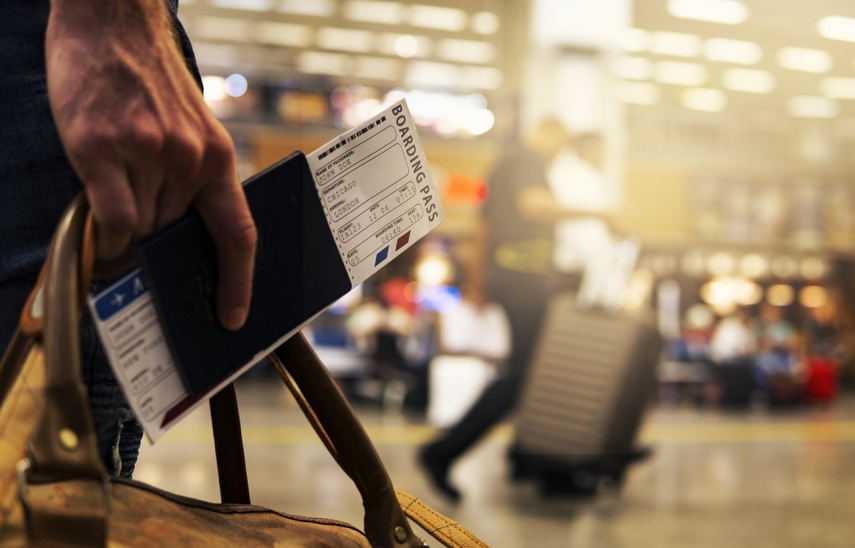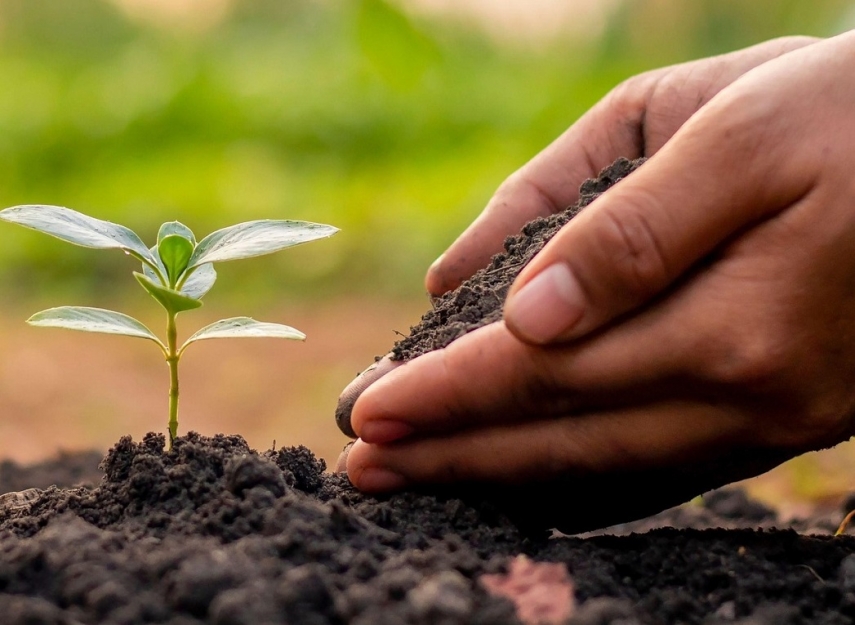
Photo: Plnatbest from Pixabay
TALLINN - The Agriculture and Food Board (PTA) and the Tax and Customs Board (MTA) are issuing a reminder that it is not permitted to bring or order seeds from countries outside the European Union without restrictions. The goal is to prevent the spread of dangerous plant diseases and pests into the EU.
"Bringing back an interesting packet of seeds from a trip or ordering exotic plants online may seem like an innocent act, but it can pose a threat to both Estonia's nature and agriculture," said Olga Junus, a leading specialist at the PTA's Border Control Department.
Seeds may only be brought into the European Union, including Estonia, if they originate from countries recognized as having standards equivalent to those of the EU. Additionally, the seeds must be accompanied by a phytosanitary certificate, a document confirming that they meet the plant health requirements of the destination country and are free from harmful plant pests. "For buyers, whether online or at a point of sale abroad, this means that before ordering or purchasing, you must verify that the seller can provide the certificate and that the country of origin complies with EU conditions," Junus explained.
All seeds arriving from outside the EU, whether in traveler's luggage or in postal parcels, are subject to inspection at an EU border entry point. Shipments that do not meet the requirements may be detained or destroyed, which can lead to unpleasant situations and wasted time at the border.
According to Meelis Koger, a development specialist at the Tax and Customs Board's Prohibitions and Restrictions Unit, there have been recent cases where large e-commerce platforms from third countries include small packets of plant seeds as 'souvenirs' in postal parcels. "We wish to point out that the import of such seeds is not allowed, as they may carry dangerous plant diseases or contain seeds of invasive species, posing a threat to our nature and agriculture. If such seeds are discovered, the entire shipment will be returned or confiscated and destroyed," Koger emphasized.
For seeds ordered from within the European Union, a phytosanitary certificate is not required, as seeds marketed in member states are already produced and inspected according to uniform requirements.

Please enter your username and password.

2026 © The Baltic Times /Cookies Policy Privacy Policy