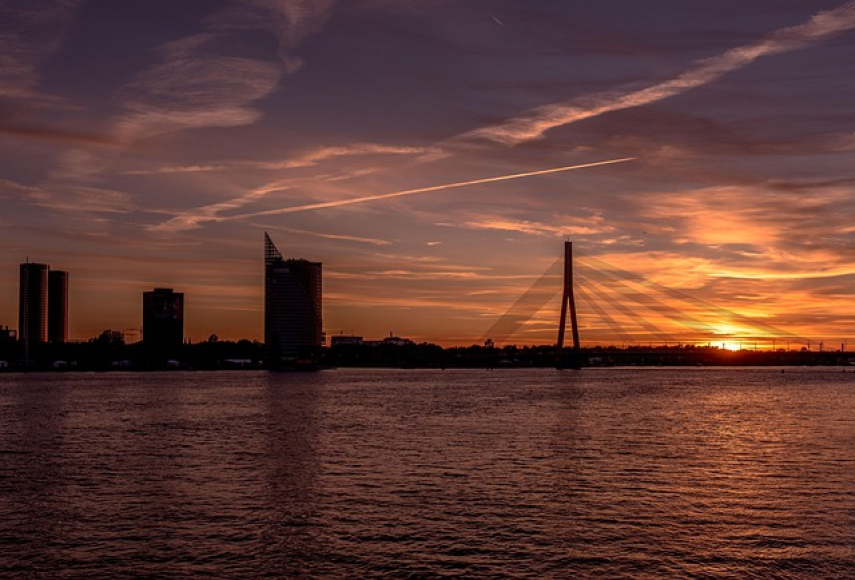
Photo: ming dai from Pixabay
As some regions around the world grapple with declining tourism, the Baltics are experiencing a surge in tourist traffic. In fact, tourism now generates over 4 billion Euros a year, accounting for at least 5% of the region's gross domestic product. Thanks to this, both domestic and foreign investors are eager to tap into this growing market.
But what is it about this region that has tourists flying in by the throngs?
The Key Factors behind the Numbers
Much of the influx of tourism in the Baltics is due to its existing infrastructure. To start with, this region boasts a wide range of local and international airlines that are so dedicated to efficiency that they often run training programs to ensure their teams work optimally. You can find more information on magnetictraining.co as to this type of training and its effect on airline operations. But it is not just infrastructure that is to thank for the rise in tourism.
So, what other factors are in play?
Climate Shifts
The Baltics boast good weather. Because of climate change, southern Europe has been experiencing intense summer heatwaves that are not conducive to travel. As a result, people who often vacation in Europe are heading north, where they can enjoy moderate temperatures that make outdoor activities more pleasant.
Given that many tourists tend to visit between July and August, cities are now marketing themselves as winter wellness destinations. There has also been a rise in the marketing of resorts and hotels for meetings, incentives, conferences, and exhibitions, ensuring that tourists continue to visit beyond the summer and providing the tourism sector with steady income throughout the year.
Accessibility
Many travellers find it so hard to navigate foreign countries that they often have to rely on travel agents and tour guides, which adds to the cost. But with the Baltics, you find that this is not the case. Since these countries are highly digitised, tourists can access most information online, from public transport networks to national park trails.
As such, they cannot only better understand the tourist attractions but also book services from the comfort of their phones, saving them time and money. As a plus, there are plenty of domestic budget airlines tourists can rely on to travel between cities.
Authenticity
Western Europe's hotspots have become so popular that travelling to them comes with a range of downsides. For one, they are often crowded as they feature most of the must-see spots showcased on social media and travel magazines. Secondly, they tend to be quite costly because their high demand drives up prices. Therefore, tourists who travel to these locations often find themselves dealing with the effects of overtourism.
In the Baltics, however, this is not the case. Thanks to its expansive, uncrowded landscapes featuring coastlines, lakes, and numerous medieval towns, tourists can explore what this region has to offer without feeling overwhelmed by crowds. And in this age when people want sensory relief and much-needed quiet from the hustle and bustle of the city, this quietude is a welcome relief.
Affordability
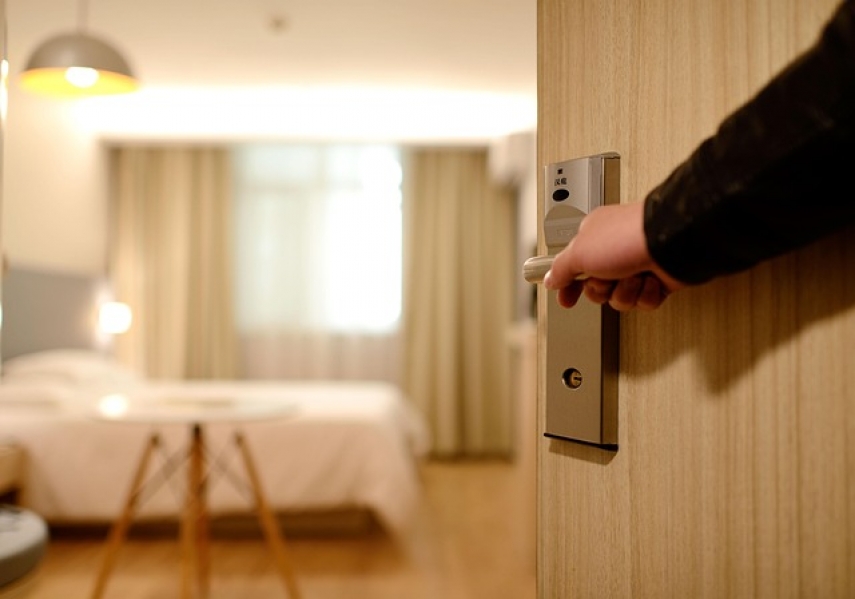
Compared with travelling to most parts of Europe, including Western Europe, travellers find that the Baltics are much cheaper yet offer the same premium services they would find elsewhere. This way, they can still enjoy indulgences such as boutique hotels, wellness spas, and Michelin-starred restaurants without spending too much.

Please enter your username and password.


2026 © The Baltic Times /Cookies Policy Privacy Policy