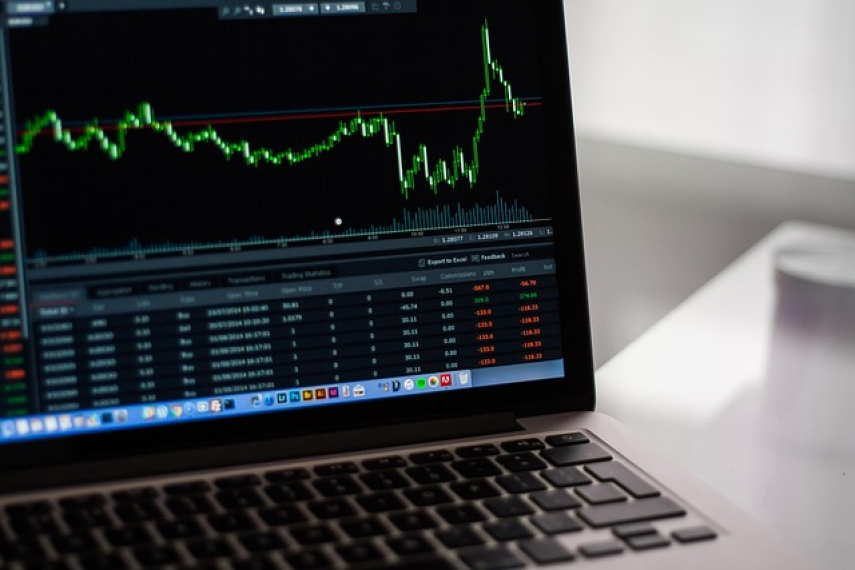
Photo: StockSnap from Pixabay
Modern investing demands more than the traditional buy-and-hold approach. While investors previously checked equity portfolios on a monthly basis, today's market participants simultaneously track a diverse mix of assets, such as tech equities, digital assets, and precious metals. Financial markets are deeply interconnected. Driven by inflation trends, shifting interest rates, and tech innovations, multi-asset diversification has become a strict necessity. Investors now recognize that tying all capital to a single market creates critical structural weaknesses, leaving portfolios fully exposed when sector-specific volatility strikes.
AI Stocks Changed How People Invest
Artificial intelligence became one of the biggest investing stories recently. And honestly, it changed investor behavior more than most people expected.
Take Nvidia as an example. The company builds chips used in AI models, cloud computing systems, and data centers. Every earnings report now sends waves across the stock market.
What this really means is simple:
- AI is no longer just topic of technology
- It became a financial trend
- Investors follow AI news almost like sports scores
I noticed something interesting myself. Many friends who entered markets through crypto started watching AI stocks next. Why? Because both sectors move fast, create hype, and attract online discussion.
People like momentum. AI stocks gave them a familiar feeling.
Why Investors No Longer Depend on One Market
Let’s break it down. Markets today react to everything: inflation data, central bank decisions, geopolitical news, and even social media trends. Putting all money into one asset feels risky for many investors now.
So portfolios started to change.
Common mixed portfolios now include:
- Technology stocks
- Cryptocurrency assets
- Gold and oil
- Forex markets
- Futures contracts
- Stock indices
This strategy is called diversification. The idea isn’t complicated. If one investment struggles, another may stay stable or even grow. It does not remove risk, but it spreads pressure across different areas.
From experience, this shift often happens after investors face their first big loss. Almost everyone learns diversification the hard way.
Crypto Trading Still Pulls New Investors
Crypto markets remain attractive for one big reason: movement. Coins like Bitcoin, Ethereum, and Dogecoin can change price within minutes. That speed makes traders excited who want action instead of slow growth.
But here’s the honest part many guides skip. Volatility feels fun during profits. It feels stressful during losses.
I’ve seen new traders input crypto after seeing earnings screenshots online. Few recognize that those screenshots do not often show the losing trades. Crypto rewards staying power and field more than exhilaration.
Large institutions, ETFs, and payment companies now take crypto seriously. What used to look experimental became part of mainstream finance discussions.
Mobile Trading Changed Investor Behavior
Another major shift is mobile access. Investors no longer wait to reach a desktop computer. Markets move all day, and crypto trades 24/7.
Mobile apps allow traders to:
- Monitor positions instantly
- React to news faster
- Manage risk anywhere
- Track multiple markets at once
This convenience brought millions of new retail investors into financial markets. According to reports discussed by Bloomberg and CNBC, mobile trading growth played a major role in retail participation worldwide. Accessibility changed everything.
Trading Platforms Are Expanding Beyond One Market
In response to shifting investor behavior, trading infrastructure has rapidly evolved. Rather than segregating traditional stocks and digital assets, leading platforms now converge multiple markets into a unified ecosystem.
For instance, BTCC Exchange seamlessly integrates crypto trading with an advanced futures marketplace for diverse asset classes. This reflects a broader macro trend: sophisticated participants demand absolute trading flexibility without the friction of managing fragmented accounts.
What this really means is investors prefer simplicity:
- One platform
- Multiple markets
- Faster decision-making
Convenience matters almost as much as strategy now.
The Connected Future of Multi-Asset Investing
The world of technology, digital assets, and traditional finance is always changing. Today's market dynamics are closely linked: AI-driven demand dictates semiconductor performance, macroeconomic interest rates directly impact cryptocurrency liquidity, and commodity pricing shapes global inflation expectations.
This big connection between the economy and the market makes investors think about the whole market instead of just one part of it. While investors' risk appetites differ, hybrid investment strategies are quickly becoming the norm in the industry. As global markets become more and more connected, cross-asset analysis isn't just a passing trend—it's the foundation of modern investing.
Conclusion
The financial markets are in a state of constant evolution, rendering single-market dependency obsolete. Investors are now actively diversifying their exposure to build portfolios capable of absorbing macroeconomic shocks. Allocating capital across AI stocks, crypto, and futures is not merely trend-following—it reflects the reality of a globally integrated economy. Regardless of market conditions, consistent profitability relies on strategic balance and emotional discipline. Volatility is a permanent feature of the markets, but a diversified approach remains an investor's greatest defense.
FAQs
What is the reason behind investors combining stocks and crypto?
Diversification is a way of minimizing the risk of relying too heavily on one stock. Economic events have varying effects on different markets.
What's making AI stocks so popular?
Cloud computing, automation, and semiconductor demand are aspects propelled by AI technology and attracting investor attention.
What is Futures Trading?
Futures trading enables you to hypothesize price movements without actually owning the real asset.
Is high-risk speculation advisable in digital asset markets?
No. Due to rapid market fluctuations, blind speculation inevitably leads to capital loss. Profitability in crypto demands strategic execution and strict portfolio risk limits.
What makes people so attracted to trading via mobile?
Mobile apps provide investors instant access to the market, allowing them to manage their portfolios when they're on the go.

Please enter your username and password.


2026 © The Baltic Times /Cookies Policy Privacy Policy