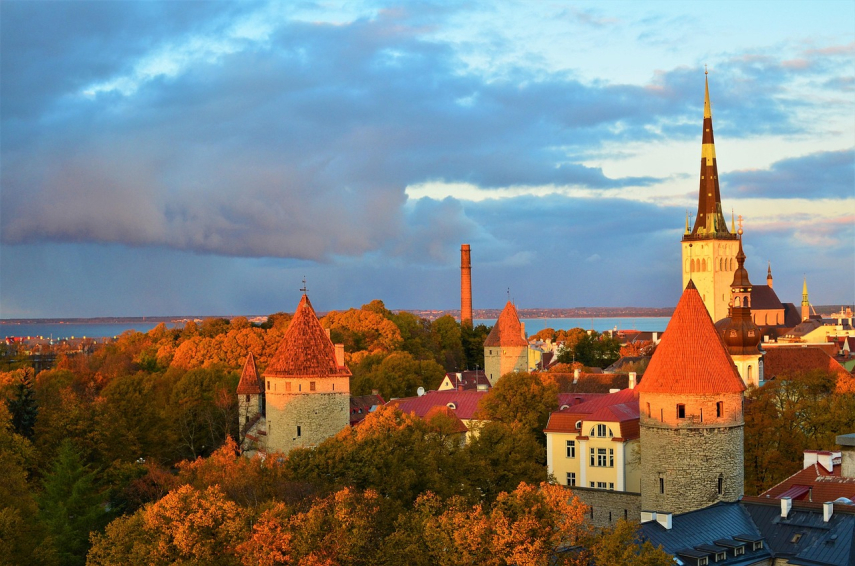
The NNSA, part of the U.S. Department of Energy, announced May 16 that 14.4 kilograms (nearly 30 pounds) of the uranium was taken from the Salaspils Research Reactor in Latviato a nuclear facility near Chelyabinsk, Russia, not far from Kazakhstan.
"With this shipment of highly enriched uranium spent
nuclear fuel, NNSA has completed the removal of all HEU from Latvia," NNSA
Administrator Thomas D'Agostino stated in a press release. "This
cooperative effort to secure dangerous nuclear material will help reduce the
threat of nuclear proliferation and prevent nuclear terrorism."
In May 2005, NNSA worked with Russian authorities to remove three kilograms of
highly enriched uranium from Latvia.
The Salaspils Research Reactor began operation in 1961 at Salaspils, near RÄ«ga. It was the only civilian nuclear research facility in the Baltic republics. Disassembly of the facility began in 2002, according to Latvia's Environment State Bureau.
Removal of the spent nuclear fuel is part of the Global Initiative to Combat Nuclear Terrorism, a U.S.-Russian program launched in 2006. Latvia is third country to return Soviet-origin nuclear fuel to Russia, the NNSA said. Uzbekistan and the Czech Republic also have completed removal.
The American agency is also working with Latvian authorities to improve detection of illegal shipments of nuclear and other radioactive materials. The NNSA has helped train Latvian border guards and has installed radiation detection devices at border crossings, airports and seaports.

Please enter your username and password.

2026 © The Baltic Times /Cookies Policy Privacy Policy