TALLINN -- Marten Ross, deputy governor of the Bank of Estonia (Eesti Pank), took the opportunity of an April 18 financial seminar in Spain to point out a new role for emerging Europe's economies as stabilizing influences when the larger economies look decidedly wobbly.
"The most
pressing question of recent months has been what the extent of the
financial turbulences stemming from the US financial markets is. The
decrease in interbank trust has reached also the euro area and is sure
to affect the financial system of developing countries. At the same
time there are speculations about the possibility that the current
global economic cycle allows developing countries to play a stabilising
role. Estonia has so far been very little impacted and our financial
sector remains strong, ensuring the financing of the economy," Ross
said.
According to the Eesti Pank number two, uncertainties arising from the financial system are gradually spreading, manifested in the deteriorating economic
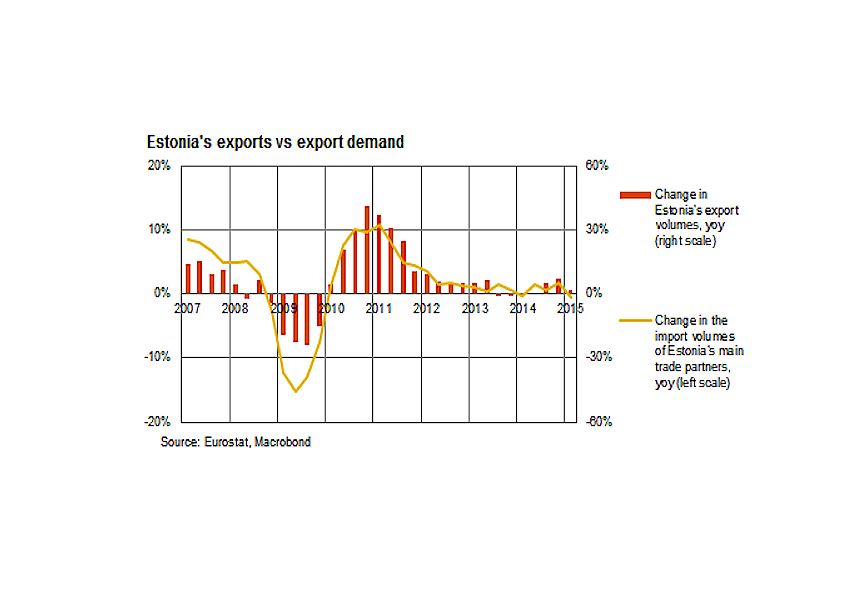
growth outlooks of several countries. "If the economic activity of our
trading partners declines, it is possible it will decrease the Estonian
exports, but so far, our foreign trade situation has been good,"
Ross said. He added that a much more serious problem is global
inflation, which can also be associated with the financial market
turbulences. "The impact of price growth has been large-scale and very
strong. Food and fuel prices are high in both global markets and small
countries. This, in turn, affects people's confidence."
"Countries
like Estonia are able to survive the recession period relatively
painlessly owing to earlier economic reforms, but we definitely have to
take into account there will be some changes in the economic structure.
So far, Estonia has managed them successfully."