TALLINN -- It seems it's Estonia's turn to be the country financial traders whisper about behind their hands.
Latvia and Lithuania regularly have to quash devaluation talk,
but it comes as a surprise to find the Estonian kroon the subject of jitters
given most analysts agree the economy is in better shape than the other Baltic
States.
The latest rumours
were sparked by the coincidental release of several pieces of information that
would probably be brushed aside if they hadn't been made public at the same
time.
First came a
Goldman Sachs report giving a generally downbeat assessment of the Baltic
economies, which served as a background for every scrap of information that
followed.
On Friday Nov. 9,
Franciszek Rozwadowsi, head of the IMF office in Estonia, told a press conference that the
Estonian economy should be able to avoid a crash landing, as long as the
government manages to tighten its public spending commitments. Even though he
explicitly stated that there was no need to talk about devaluation, the mere
fact that he used the word seems to have been enough.
On the same day, Estonian
financial daily Aripaev published a report drawing parallels between the state
of the Estonian economy today and the Swedish economy just before it devalued
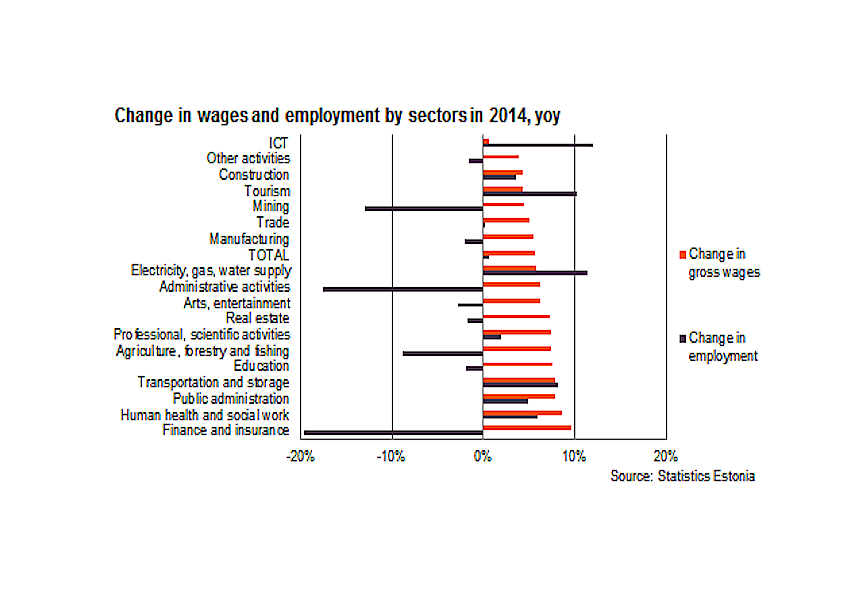
the krona in 1992. In both cases, extreme wage pressures, a property boom, a
growing current account deficit and a tightly-pegged currency were present. The
krona was pegged to the ecu, forerunner of the euro to which the kroon is
pegged by means of a currency board.
By Nov. 12,
Finnish financial daily Kauppalehti had published its own take on the Aripaev
article, adding further fuel to the wildfire of speculation, despite the
absence of anything but anecdotal evidence that speculators are gathering
around the kroon. According to Kauppalehti "Currency trading is a sign that
investors expect the kroon to be devalued… the pressure for devaluation is
growing."
Estonia's Finance Minister Ivari Padar admitted
that there are some similarities with pre-devaluation Sweden but that this was unimportant.
"I see no reason for a collapse. The Estonian kroon has been down several
times before and we have always come out on top. The kroon is efficient and I
cannot see a reason for panic," said Padar.
Art Lestberg, head of currency markets at Hansabank Markets, took a
similarly sanguine view, saying that he has not noticed any unusual
fluctuations in the currency markets.
"Customers are buying
and customers are selling. There is nothing extraordinary," he said.
The most sensible assessment of all the devaluation talk so far has come from maverick investor Kristjan Lepik. Writing in his blog, Lepik asked: "Why not compare Estonia with pre-civil war Botswana? I am sure there are many similarities."

Please enter your username and password.


2026 © The Baltic Times /Cookies Policy Privacy Policy