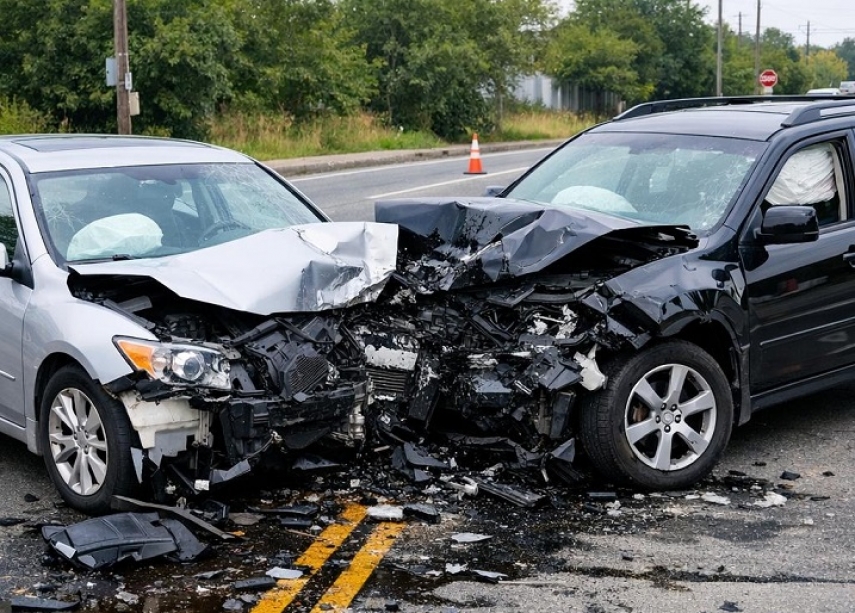
Photo: AI generated
In the moments after a car accident, the most damaging consequences often come not from the collision itself, but from the mistakes made immediately afterward. Confusion, shock, and fear can push people to act on instinct rather than judgment, creating problems that follow them long after the scene clears. Professionals such as Grigor Law Injury & Car Accident Lawyers play a crucial role in providing guidance to injured individuals, assisting them in avoiding critical decisions that could potentially lead to significant legal consequences.
These mistakes can affect medical recovery, insurance claims, and the ability to seek fair compensation. For residents of the Bronx, the stakes are even higher. With its busy intersections, dense traffic, and constant movement of cars, buses, and pedestrians, accidents here often involve complex circumstances and aggressive insurance responses. Understanding how post-accident missteps intersect with Bronx-specific realities can make the difference between a manageable claim and a prolonged legal struggle.
Failure to Seek Medical Attention
Most people fear minor aches and pains after a crash but think they don't need to see a doctor for these. If you experience even minor pain or discomfort, it may cause serious health issues later. In addition, medical professionals can look for any underlying injuries (whiplash, internal bleeding, etc.) that may not immediately be apparent. Getting immediate medical attention also establishes evidence for any insurance or legal case that may arise from the accident.
Admitting Fault at the Scene
Accident scenes are often chaotic, and emotions can run high. Others may excuse themselves, saying it is polite to apologize or to blame oneself. However, if you confess your responsibility before the facts are clear, the court may use it against you. Anything a person says in the immediate aftermath can have repercussions for the insurance settlement and court cases. Instead, the driver or drivers should take a breath, safely swap details, and await the cops to come and investigate.
Neglecting to Document the Scene
If you do not gather information shortly after an accident, then it will be difficult for you down the road. Time will blur or cause you to forget specific details. Photographs of vehicle damage, road conditions, and any visible injuries are useful evidence. Gathering witness details can also aid in future claims.
Not Contacting Authorities
Some people may suggest that if no major damage is done, then the accident should be dealt with privately. But not calling law enforcement makes things complicated a little later. When police officers arrive, they record an official report of the event, noting witness statements and objective observations made by the officers. Such a report might be important for insurance or legal matters. Even if the damage appears insignificant, contacting the authorities is in the best interests of all parties.
Leaving the Scene Prematurely
It may be legal trouble if you leave the site of an accident without first exchanging information or speaking with the police. If injuries or significant damage do occur, then leaving the scene can be a criminal action. Staying is the best way for everyone to share important information and work with the authorities. Waiting for clearance from authorities ensures adherence to laws and guards against future accusations.
Providing Incomplete or False Information
You need to be honest when reporting an accident to authorities, insurers, or other parties. Incorrect, insufficient, or missing information could result in claims being denied or legal penalties. Making the situation fully transparent enhances the efficiency and fairness of the process for all parties involved. Whether intentional or not, inaccuracies can make the process more difficult and increase pressure.
Ignoring Insurance Notification Requirements
Some people postpone telling their insurance company, hoping to avoid a rate hike or forms. But most policies demand that you report to them as soon as you can after any accident. If a driver waits too long, a claim can be denied, leaving the driver to pay for every expense. Insurers have the ability to investigate and process claims more efficiently when the incident is reported promptly. Similarly, taking action on time also helps in avoiding unnecessary complications.
Overlooking Follow-Up Actions
Before leaving the incident area, it is important to go to medical appointments, fix cars, and keep in contact with insurance companies. Omitting these steps can be costly for the health, hold up settlements, and create ambiguity. Maintaining improved organization and executing the recommendations aids in a more comfortable recovery, both physical and financial.
Conclusion
There is more to healing from a car accident than repaired cars. The decisions made in the seconds after can affect health, bank accounts, and criminal records. Avoid these common mistakes to safeguard your interests and ensure a smoother claims process. Recognize that the claim process is an extremely stressful experience, and when we are aware and act quickly, we will turn it into a controllable experience, giving us both the comfort and protection we need.

Please enter your username and password.

2026 © The Baltic Times /Cookies Policy Privacy Policy