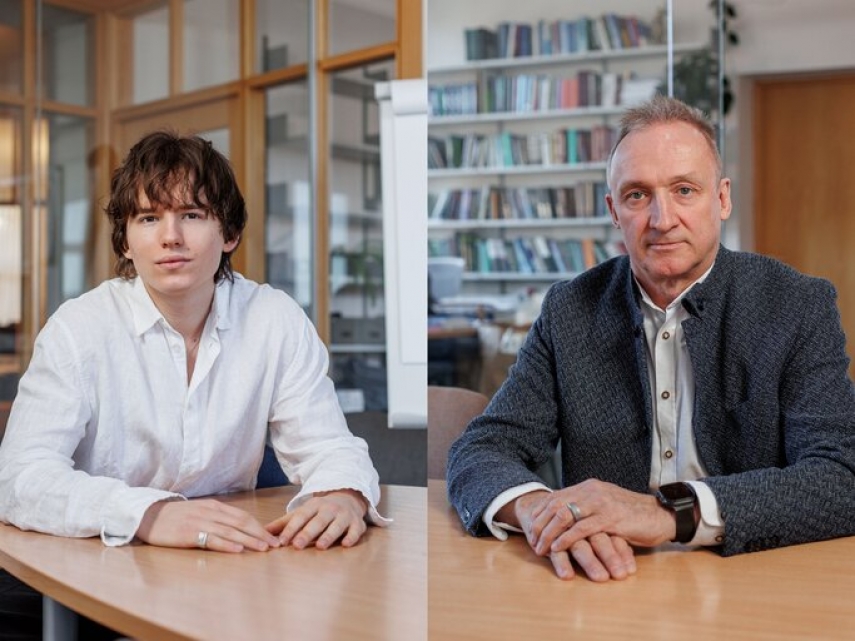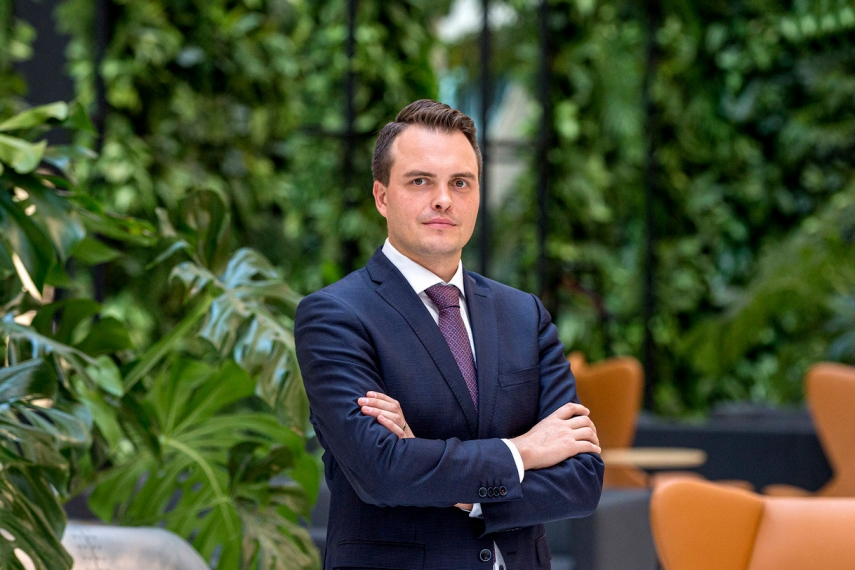

Photo: anis Vilisons is Chairman of the Board at Amberstone Hotels, SIA, the owner of Keystone Collection hotel chain
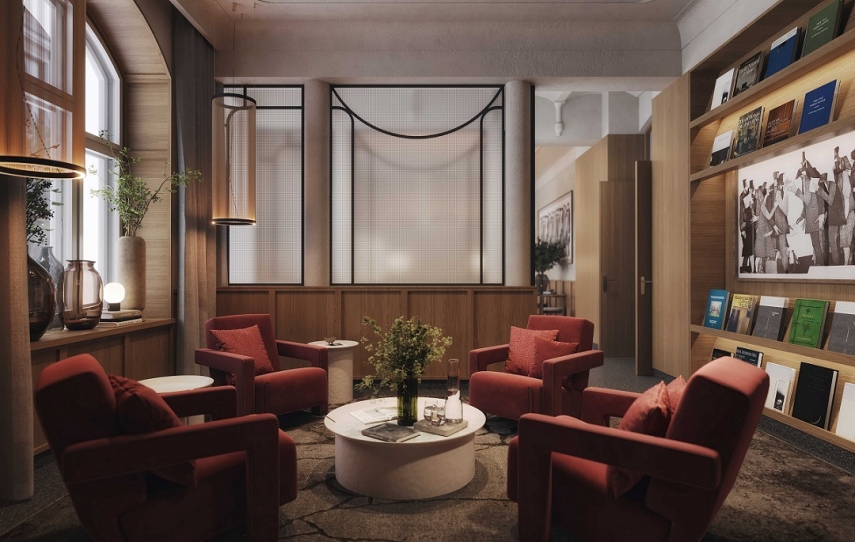
Photo: The Carillon lobby
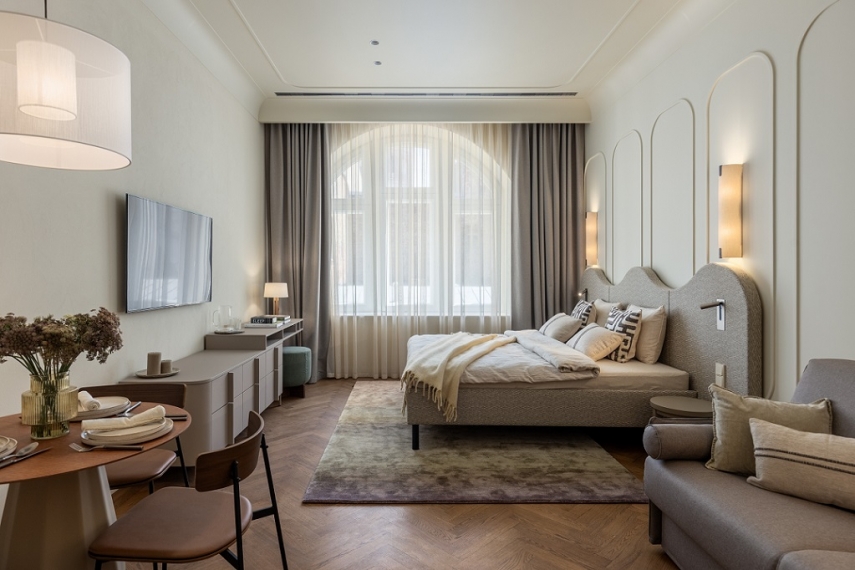
Photo: A Carillon room
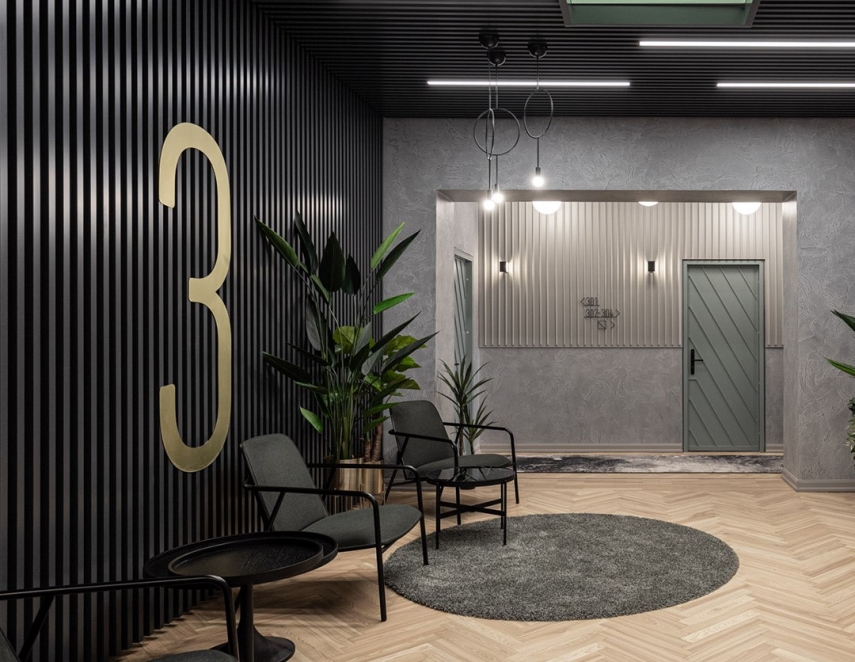
Photo: Konventa Seta Hotel hall
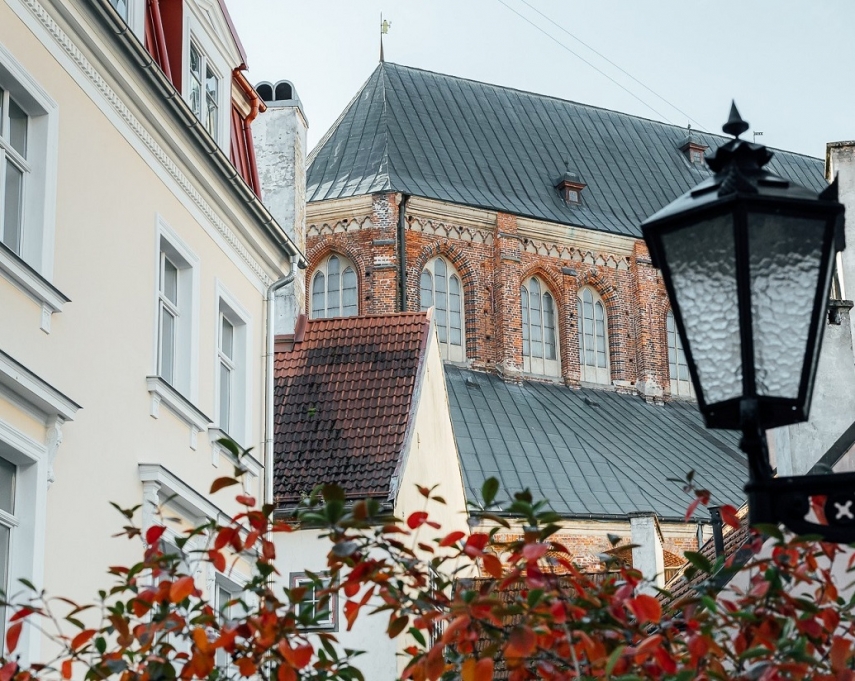
Photo: Konventa Seta Hotel yard
Keystone Collection is redefining heritage hospitality in Riga’s Old Town by uniting architectural preservation with modern comfort. With two landmark restorations already complete, the group has become a model for how historical integrity and contemporary design can coexist. As the company continues to grow, it is shaping a new era of boutique hospitality rooted in history and human connection. The Baltic Times Magazine spoke with Janis Vilisons, Chairman of the Board at Amberstone Hotels, SIA, the owner of Keystone Collection hotel chain.
“Our major milestone will be the launch of Carillon Aparthotel, offering 61 premium apartments designed for longer stays and modern comfort. Bookings began in August, with the official opening scheduled for December 1,” J. Vilisons emphasized.
Keystone Collection has already restored two historical buildings in Riga Old Town. What guiding philosophy shapes your approach to breathing new life into heritage architecture while preserving its authenticity?
Keystone Collection approaches the restoration of historic buildings with deep respect for their original character, aiming to preserve authenticity while introducing modern comforts. Their work is rooted in a commitment to cultural heritage, ensuring that every detail – from materials to colours – is historically accurate and thoughtfully chosen. At the same time, they seamlessly integrate contemporary amenities to meet today’s standards of comfort and functionality. Our design philosophy is inspired by each compound’s unique architectural legacy. Collaborating with Latvian architects and designers, we create spaces that are both refined and rooted in history. Ultimately, Keystone Collection strives to offer guests more than just accommodation – they craft immersive experiences that connect people to the spirit and story of Old Riga.
Restoring historical structures often reveals unexpected challenges, surprises and discoveries. Please talk about them.
Restoring historic buildings is a journey full of unexpected twists. Beneath the surface, hidden structural problems – such as weakened foundations or decaying beams – often emerge, requiring creative engineering to preserve the building’s integrity. At times, restorers uncover forgotten architectural details or historical artefacts, adding both complexity and richness to the project.
Strict heritage regulations also play a major role, with every design choice – down to the type of paint or window frame – needing approval. Sourcing authentic materials that match the original construction can be time-consuming, especially when they must be custom-made or imported.
One of the most unique challenges in Riga’s Old Town is logistics. The narrow, winding streets and enclosed courtyards make it extremely difficult to transport materials, operate machinery or even set up scaffolding. Deliveries must be carefully timed and coordinated, often requiring manual handling or specialised equipment to navigate tight spaces without damaging the surroundings.
Integrating modern systems such as heating, ventilation and safety features into centuries-old structures also demands precision, ensuring these upgrades remain invisible and do not disrupt the building’s historical character. Throughout the process, collaboration with local experts and communities helps ensure that the restoration honours the building’s legacy and fits seamlessly into the cultural fabric of the city.
Sustainability and restoration often go hand in hand. What innovative materials or methods has Keystone Collection adopted to make its projects environmentally responsible without compromising on authenticity?
Keystone Collection integrates sustainability into its restoration projects by combining environmental responsibility with historical authenticity. Their approach begins with careful material selection, guided by thorough architectural and historical research. This ensures that finishes, flooring and paints are not only true to the building’s heritage but also environmentally conscious – often using locally sourced, natural materials that reduce transport emissions and support regional artisans.
Rather than replacing old structures, Keystone Collection emphasises preservation, maintaining original elements such as wooden beams, staircases and even parts of Riga’s 13th-century city wall. This strategy significantly reduces construction waste and lowers the carbon footprint compared to full rebuilds.
To meet modern standards without compromising heritage, Keystone Collection installs energy-efficient systems such as LED lighting, ventilation and air conditioning. These are carefully adapted to fit within the historical architecture, ensuring that ancient walls and ceilings remain untouched.
In addition, their design makes the most of natural daylight, especially in conference and event spaces, reducing reliance on artificial lighting. And in the dense, narrow courtyards of Riga’s Old Town, Keystone overcomes logistical challenges by using manual transport and compact equipment, minimising disruption and protecting the surrounding heritage environment.
Where do you believe the Keystone Collection Hotels Chain has an edge over other hotel chains?
The Keystone Collection stands out among hotel chains through its thoughtful integration of heritage, design and authentic guest experience. Each property within the collection embodies a unique character while maintaining the same standard of comfort, quality and attentive service.
Konventa Seta Hotel, set within beautifully restored heritage buildings in the very heart of Riga’s Old Town, provides an authentic and atmospheric stay. Rooms are spacious and thoughtfully equipped with modern amenities that complement the historic character. A peaceful inner courtyard creates a quiet retreat from the vibrant city streets, while the team’s warm and personal service ensures every stay feels individual and welcoming.
Carillon Aparthotel enriches the portfolio with its elegant pre-war Art Nouveau architecture and modern functionality. Also situated in Old Riga, it has been fully reconstructed to offer 61 stylish and fully equipped apartments, ideal for both short and extended stays. Combining historical charm with refined contemporary design, Carillon provides flexibility and comfort for business travellers, families and guests seeking a longer stay in the city.
Together, these two distinctive properties reflect the Keystone Collection’s defining strengths: authentic locations, architectural integrity and personalised hospitality.
Please talk about your hotels. Are they all similar?
Keystone Collection hotels share a unified philosophy of restoring historic buildings with elegance and authenticity, but each property offers a distinct experience. Konventa Seta Hotel is a classic city-centre hotel made up of several separate historic buildings, ideal for short stays and events in Riga’s Old Town. Carillon Aparthotel, opening soon, is designed for longer stays, offering stylish apartments and a more residential feel. While both properties reflect Riga’s cultural heritage, they differ in layout, guest experience and purpose. This diversity allows Keystone to cater to a wide range of travellers – from tourists seeking charm and location to professionals and families needing space and flexibility.
How was the year 2025 for your chain?
The year 2025 marked a period of steady growth and strategic expansion for Keystone Collection. Konventa Seta Hotel maintained strong performance, welcoming tens of thousands of guests and earning recognition for its service quality and restored heritage setting. The hotel achieved superior 4-star status and continued to receive high guest satisfaction ratings. A major milestone will be the launch of Carillon Aparthotel, offering 61 premium apartments designed for longer stays and modern comfort. Bookings began in August, with the official opening scheduled for 1 December.
Are you set to expand – not only in Latvia but also in the other Baltic States, Lithuania and Estonia?
Keystone Collection is steadily expanding its presence in Riga’s Old Town, where it already operates two prominent properties – Konventa Seta Hotel and the soon-to-launch Carillon Aparthotel. Now, plans are underway for a third hotel in this historic district of Riga. The story isn’t over yet (smiles).

Please enter your username and password.

2026 © The Baltic Times /Cookies Policy Privacy Policy