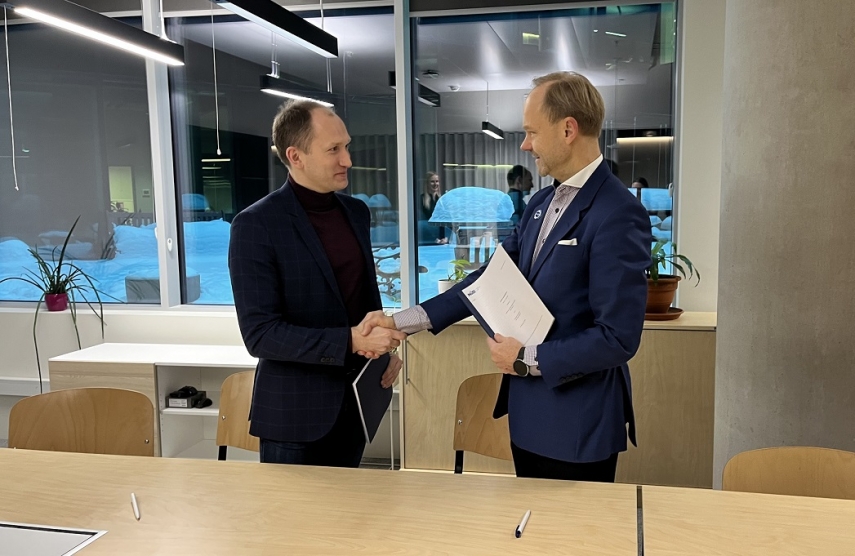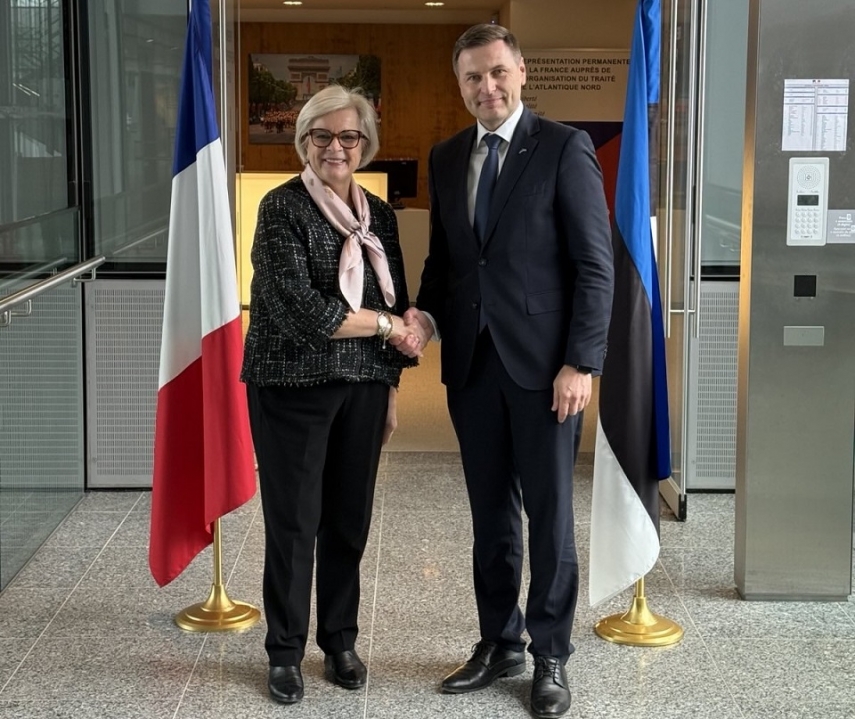
TALLINN - At a summit in Tallinn, Estonian representatives emphasized that artificial intelligence must be used thoughtfully in education, while international delegates highlighted the teacher shortage and concerns about students' thinking skills.
On the first full day of the International Summit on the Teaching Profession (ISTP), Estonia, using its 'AI leap' as an example, demonstrated how to use artificial intelligence in education to support students' creative and systematic thinking.
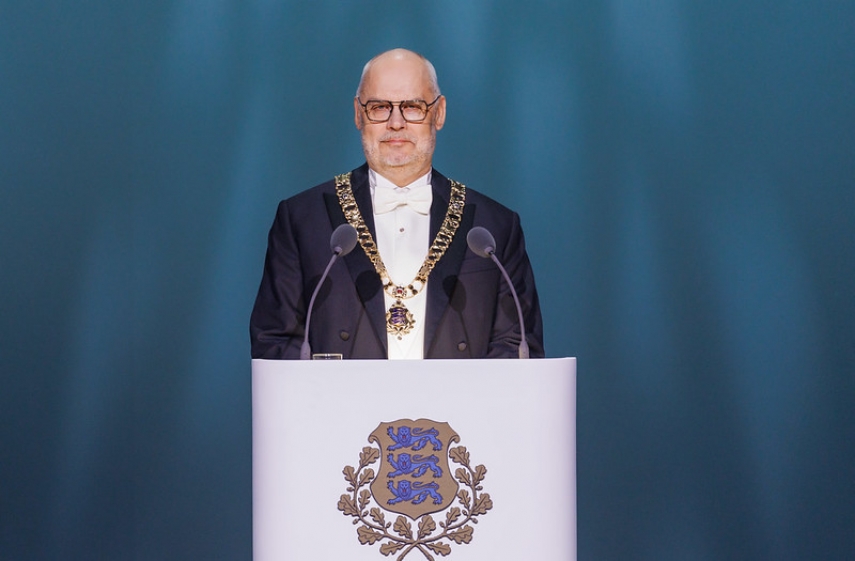
"We do not yet know exactly how to tame artificial intelligence so that it consistently creates value - in education or other fields," said President Alar Karis in his speech at the ISTP opening ceremony. "But it is clear that there is no turning back. Artificial intelligence is shaping our societies, our labor markets, and our daily lives. Education cannot stand aside and hope that this wave will pass us by."
In her keynote speech 'The Story of Estonian Education,' Minister of Education and Research Kristina Kallas described Estonia's approach to implementing artificial intelligence in schools. "We are not rushing headlong into technology," Kallas said. "On the other hand, we truly feel that due to AI, people have come under evolutionary pressure: knowledge is important, but the most crucial thing is becoming students' ability to think more systematically as well as more creatively. These high-level cognitive skills are important in a child's life much earlier than we have previously considered necessary."
Kallas affirmed Estonia's support for teachers: "In the future, we will definitely need more teachers, not fewer. Teachers are central to education."
David Edwards, General Secretary of Education International, the global umbrella organization for education unions, noted that the world is short of 44 million teachers. According to him, the role of teachers will become even more important in the age of artificial intelligence. "During an epidemic of loneliness and the rise of AI, we must make wise decisions about what we adopt and what we discard," Edwards said, emphasizing that the commitments made by countries at the summit are important and must be closely monitored.
According to Andreas Schleicher, Director for Education and Skills at the OECD, data suggests that artificial intelligence can help less experienced teachers elevate the quality of their work for students. On the other hand, he warned that students who use AI too much let it do too much of their thinking for them. "Learning is always associated with cognitive effort and contribution - we actually need students to exert themselves when learning," Schleicher said.
After the opening ceremony, delegations from nearly 20 countries visited nine Estonian schools, with visits also taking place today and tomorrow. Closed-door substantive sessions also began, where ministers, union leaders, and teachers and school principals discussed the implementation of artificial intelligence, teacher autonomy, and professional development strategies.
The summit will last until March 11, when each country will announce three educational commitments.

Please enter your username and password.

2026 © The Baltic Times /Cookies Policy Privacy Policy