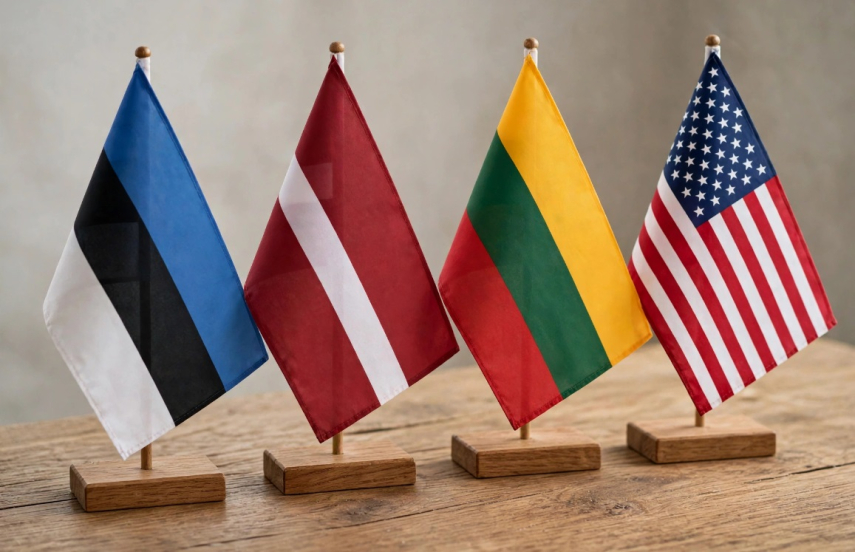
Photo: AI generated
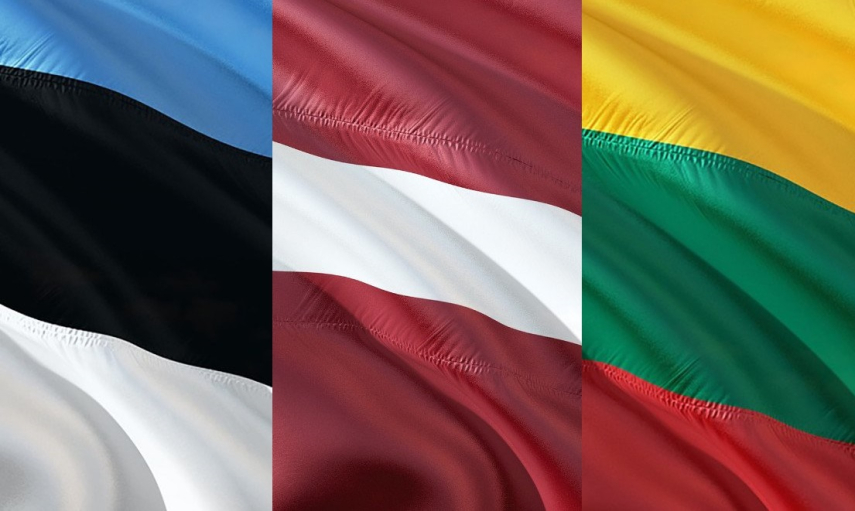
TALLINN - Estonia, Latvia, Lithuania, and Poland sent a joint statement to the European Commission on Monday, calling for the termination of investment protection agreements that 17 European Union member states currently have in force with Russia.
Bilateral investment protection (BIT) agreements are international agreements that govern the mutually agreed upon investment environment between the parties.
The joint statement from the countries highlighted that evidence shows these agreements with Russia are being used to influence European Union policy for Moscow's benefit, and that their continued existence threatens the EU's economic security as a whole. For instance, the agreements include provisions that encourage investment in Russia and allow sanctioned individuals to take legal action against member states and the EU in international courts.
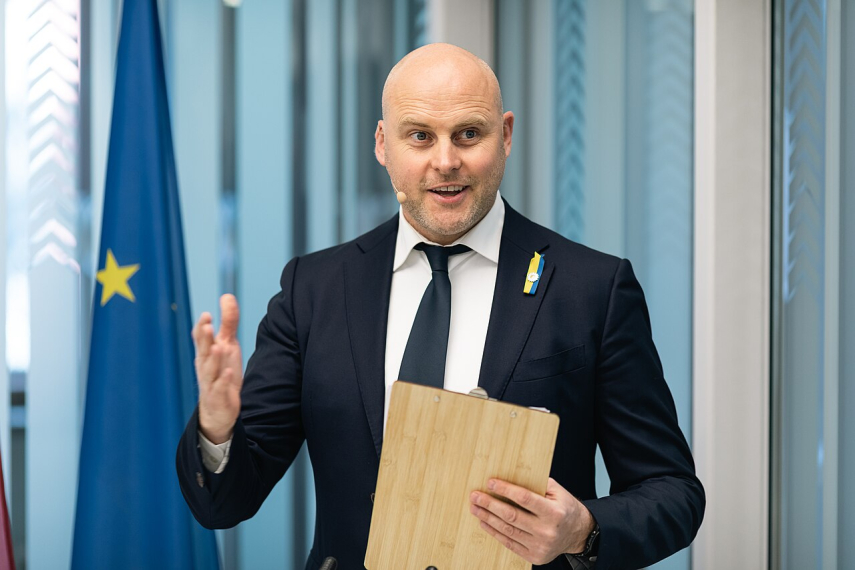
According to Foreign Minister Margus Tsahkna, the European Union's task is to ensure that Russia's international isolation continues without any concessions. "In the current geopolitical situation, the agreements with Russia can no longer be seen as merely instruments for investment protection. Member states signed these agreements at a time when it was not yet understood that Russia posed a long-term security threat to all of Europe. These agreements represent a covert channel for Russia to influence the politics and economies of member states through corporate entities. We must not allow Russia to influence the European Union's political decisions through these agreements," Tsahkna said.
Together with Latvia, Lithuania, and Poland, Estonia calls on the European Commission and member states to find a common course of action to resolve the issue, one that is consistent with the EU's policy towards Russia. "Europe must become even stronger, and that includes freeing itself from Russian influence," the foreign minister emphasized.
The joint statement highlighted that the goal is to reach a solution by the first quarter of 2027.

Please enter your username and password.

2026 © The Baltic Times /Cookies Policy Privacy Policy