A few winters ago, Europe held its breath. Families watched their heating bills climb to levels they had never seen before. Businesses dimmed their lights to survive. News tickers counted down the percentage of gas left in storage as if it were a lifeline. And behind it all stood one uncomfortable reality: Russia had turned Europe’s energy dependence into a political weapon.
That crisis was not a coincidence. It was a wake-up call. A lesson Europe cannot afford to forget.
This December, the European Parliament and European Union (EU) Member States reached a landmark agreement: a firm, irreversible path to phasing out Russian gas and oil. It is more than a technical regulation; it is Europe choosing security, values, and sovereignty over blackmail. Thanks to our strong insistence, Member States are now obliged to no longer buy, directly or indirectly, LNG gas as of the beginning of 2027 and pipeline gas as of 30 September 2027 from the Russian aggressor.
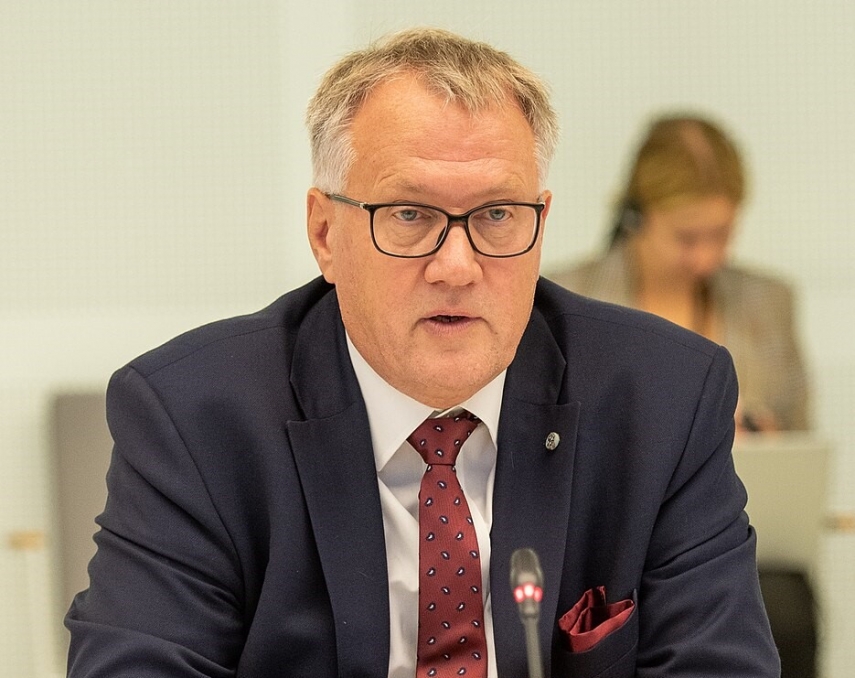
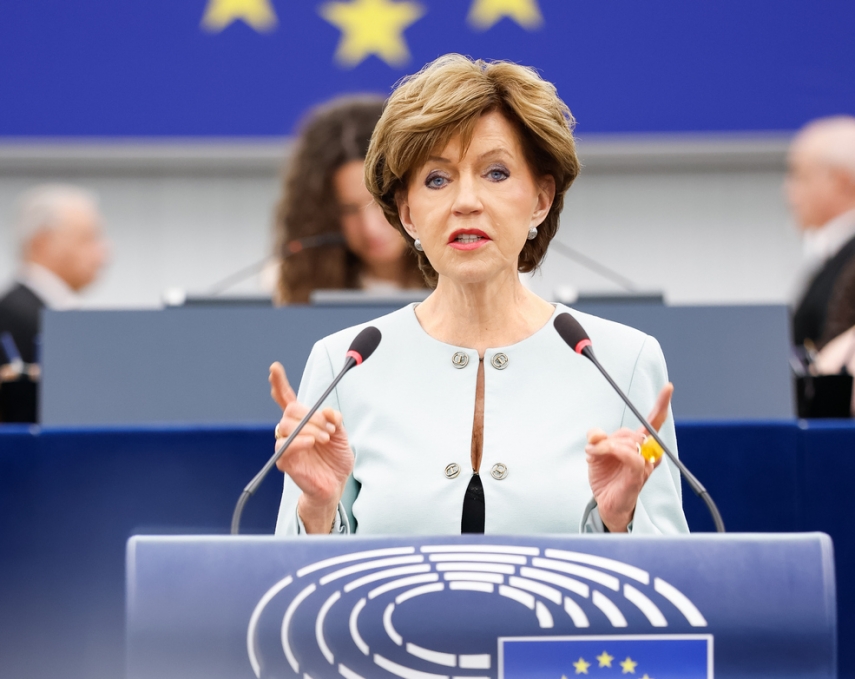
“This agreement is a turning point for both EU energy security and the overall security of the EU. By completely abandoning Russian gas, the EU is entering a new phase in which it will no longer be dependent on a single, unreliable supplier for a strategic resource,” emphasize Inese Vaidere MEP (EPP Group), rapporteur on this legislation. “Bad news for the Kremlin, good news for Europe: the era in which Russia could manipulate EU policy through gas supplies is coming to an end.”
At its core, the phase-out reflects a simple truth: cutting Russian gas is essential to Europe’s security and sovereignty.
But energy independence must also be fair. Within the EPP, we have been clear from the very beginning: ending Russian energy cannot come at the expense of ordinary people or European industry. Energy independence only succeeds when it goes hand in hand with affordability and security. That is why we pushed to ensure this phase-out strengthens Europe’s strategic autonomy while keeping energy prices stable and predictable for households and businesses alike. The transition must not only be morally right, but it must also be economically sustainable for everyone.
The agreement doesn’t stop at gas. Parliament also secured a commitment from the European Commission to present, at the start of 2026, legislation to ban Russian oil imports entirely by the end of 2027. This fills one of the most dangerous gaps in our sanction’s architecture. Europe cannot continue paying Russia more for energy than it provides Ukraine in aid. Every euro flowing to Moscow fuels a war machine, every day Europe continues purchasing Russian energy means lives lost in Ukraine.
“Like gas, oil trade brings billions of euros into the Kremlin’s war machine. Even if oil imports are currently limited by sanctions, a permanent and legally sound solution is needed to safeguard the EU’s energy independence and security,” Vaidere points out.
The new rules also introduce tough, harmonised penalties for those who try to circumvent the ban, and they close loopholes - from opaque “shadow fleets” to blurred origins of imported gas. Importers will now need to provide reliable proof of where their energy actually comes from. This is not bureaucracy for bureaucracy’s sake; it is how we make sure Europe is never again deceived by unreliable or hostile suppliers.
To deliver that, the deal introduces reinforced checks on origin and ownership, along with monitoring designed to shut down indirect routes - all while keeping procedures proportionate so legitimate suppliers can continue operating.
And we have learned from the past. The framework includes strict conditions for any temporary suspension of the ban, allowed only in genuine emergencies, and never as a back door for political pressure. Clear deadlines, strong enforcement, and transparent monitoring will safeguard the single market, keep energy flowing across all Member States, and support a faster shift toward renewables and diversified LNG sources.
Importantly, this deal is not just the Commission’s proposal improved. It is also proof that the European Parliament can act with speed and unity when Europe’s security is at stake. In only a few months, the main political groups agreed on a position that is firmer, cleaner, and more strategic. The EPP Group fought to bring long-term gas contracts to an earlier end, strengthen enforcement, and expand the scope to oil and petroleum products. These were not symbolic gestures; they were necessary steps to protect Europe’s freedom of action.
The era of Russian gas and oil in Europe is ending. Not because it is easy, but because it is essential. Europe paid a high price for its past dependence - economically, politically, and morally. Now, with this agreement, we are finally turning the page.
This is not just an energy decision. It is a promise: Europe will stand on its own feet. Europe will not fund Putin’s war. Europe will never again be vulnerable to energy blackmail. And that is a future worth investing in.

Please enter your username and password.

2026 © The Baltic Times /Cookies Policy Privacy Policy