Photo: rawpixel.com from https://www.freepik.com/
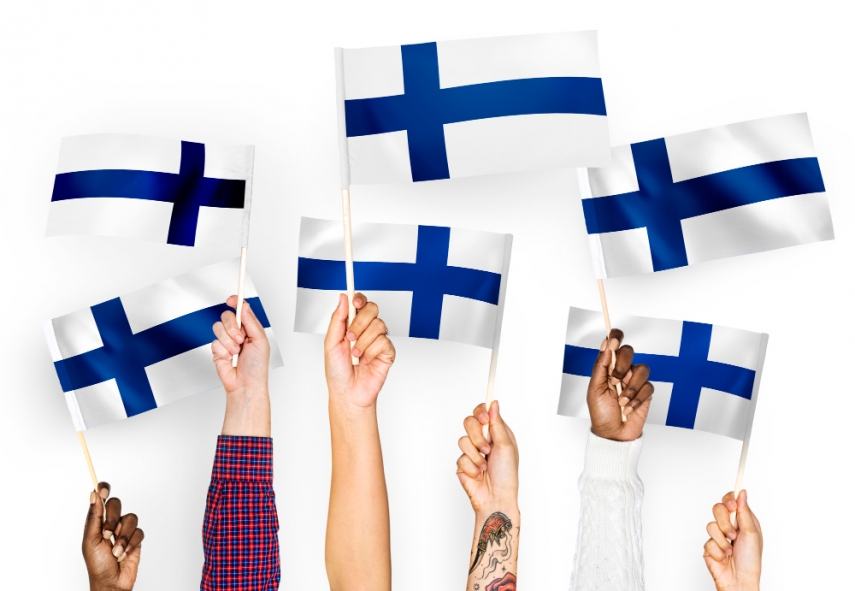
Finland has long been recognized for its world-class education system, stunning natural landscapes, and consistent ranking among the happiest nations on earth. In recent years, however, the country has earned a new distinction: becoming one of the most dynamic digital economies in Northern Europe. Powered by a highly skilled workforce, progressive government policies, and a startup ecosystem that punches well above its weight, Finland is helping to define what the Nordic digital economy looks like in 2026 and beyond.
The transformation did not happen overnight. Decades of investment in education, research, and telecommunications infrastructure laid the groundwork for today's innovation-driven economy. From the ashes of Nokia's mobile phone dominance emerged a new generation of entrepreneurs who applied their engineering talent to fintech, artificial intelligence, gaming, and clean technology. Helsinki has become a startup capital that attracts venture funding from across Europe, and Finnish companies regularly appear on lists of the continent's fastest-growing technology firms.
A Startup Culture Built on Education and Trust
Finland's startup success is deeply rooted in its education system. Finnish universities consistently produce graduates with strong technical skills in computer science, data analytics, and engineering. Programs like those at Aalto University, which combines technology, business, and design under one roof, have become incubators for entrepreneurial thinking. The annual Slush conference, held in Helsinki, has grown into one of the world's largest startup events, drawing thousands of founders, investors, and corporate leaders each November.
Trust also plays a critical role. Finland ranks among the highest globally for institutional trust, which translates into a business environment where contracts are honored, regulations are transparent, and corruption is virtually nonexistent. For international investors and partners considering expansion into Northern Europe, this reliability is a significant draw. Companies can focus on building products and acquiring customers rather than navigating bureaucratic obstacles or managing reputational risks.
Analysis from Euronews has explored how the Nordic nations collectively could become Europe's answer to Silicon Valley, noting that the region produced 73 unicorns between 2013 and 2023 with just four percent of the continent's population. Finland, with companies like Wolt, Supercell, and HMD Global, is a central contributor to that remarkable track record.
Fintech Innovation and Regulatory Agility
Finland's financial technology sector has experienced substantial growth, driven by a combination of homegrown talent and a regulatory environment that encourages experimentation. The Finnish Financial Supervisory Authority has adopted a collaborative approach with fintech startups, offering guidance on compliance while allowing room for new business models to develop. This balance between oversight and flexibility has made Finland an attractive destination for companies working on payment solutions, digital banking, and blockchain applications.
Companies like Enfuce, a cloud-native payment processing platform, and Holvi, which provides digital banking services tailored to entrepreneurs and freelancers, illustrate the diversity of Finland's fintech landscape. These firms leverage the country's strong digital infrastructure and high smartphone penetration rates to deliver services that prioritize speed, transparency, and user experience.
The online entertainment industry has also benefited from Finland's digital maturity. Finnish consumers are among the most digitally engaged in Europe, and platforms serving this market must meet high expectations for usability, security, and payment convenience. Resources like best online casino Finland reflect the growing demand for curated, trustworthy platforms that align with Finnish values of transparency and quality in the online entertainment space.
Regulatory changes at the EU level are further shaping the fintech landscape. The Markets in Crypto-Assets Regulation, which came into force across the EU, has brought greater clarity to digital asset trading and custody services. For Finnish fintech firms operating in this space, the harmonized rules simplify cross-border expansion and provide consumers with consistent protections regardless of which member state a service is based in.
Artificial Intelligence and Data-Driven Industries
Finland has positioned itself as a leader in artificial intelligence adoption, both within government and the private sector. The Elements of AI course, developed by the University of Helsinki in partnership with MinnaLearn, has been completed by over one million people worldwide, making it one of the most successful public AI education initiatives ever launched. The program reflects Finland's belief that broad AI literacy is essential for maintaining competitiveness in the global economy.
In practical terms, Finnish companies are applying AI across a wide range of industries. Healthcare startups use machine learning to improve diagnostic accuracy and patient outcomes. Logistics firms deploy predictive analytics to optimize supply chains across the Nordic region. Agricultural technology companies leverage sensor data and AI models to increase crop yields while reducing environmental impact. Each of these applications builds on Finland's core strengths in data science, connectivity, and cross-sector collaboration.
The Finnish government's national AI strategy, updated in 2025, emphasizes ethical AI development and the responsible use of data. This focus on trustworthy AI aligns with broader EU regulations, including the AI Act, and positions Finland as a thought leader in governance frameworks that balance innovation with societal well-being.
Cross-Border Collaboration and the Baltic Connection
Finland's digital economy does not exist in isolation. The country maintains deep economic and cultural ties with the Baltic states, particularly Estonia, which shares a similar commitment to digital governance and technological innovation. Ferry routes and data connections across the Gulf of Finland create a practical corridor for trade, talent exchange, and joint ventures between Helsinki and Tallinn.
The planned Rail Baltica project, which will eventually connect the Baltic capitals with the broader European rail network, promises to strengthen these ties further. While primarily an infrastructure project, Rail Baltica will also catalyze digital integration along its route, with smart logistics, real-time tracking systems, and digital ticketing platforms enhancing the experience for businesses and travelers alike.
Within the Baltic region itself, the push toward digital industry is well documented. As explored in reporting by The Baltic Times, companies across Estonia, Latvia, and Lithuania are leveraging digital technologies to streamline operations and unlock new revenue streams. Finland's proximity and expertise make it a natural partner in these efforts, creating opportunities for knowledge sharing and co-investment.
Sustainability as a Competitive Advantage
Finland's commitment to sustainability adds another dimension to its digital economy story. The country has set ambitious targets for carbon neutrality by 2035, and digital technologies are central to achieving that goal. Smart grid systems, remote work infrastructure, and circular economy platforms all rely on the kind of connectivity and data management capabilities that Finland has developed over decades.
Green technology startups are attracting growing attention from both domestic and international investors. Companies working on battery technology, carbon capture, and sustainable forestry management are benefiting from Finland's combination of natural resources, technical talent, and access to EU funding programs. The intersection of sustainability and digitalization creates a compelling narrative for investors seeking impact alongside financial returns.
The Road Ahead for Finland's Digital Future
As Finland looks toward the remainder of the decade, several priorities will shape the trajectory of its digital economy. Expanding 5G and eventually 6G network coverage across the country, including rural and remote areas, will be essential for maintaining the digital inclusion that Finland prizes. The University of Oulu's 6G Flagship program is already conducting pioneering research into next-generation wireless technologies, positioning Finland at the forefront of connectivity innovation.
Talent acquisition and retention represent another strategic focus. While Finland produces excellent technical graduates, competition for skilled workers is intensifying across Europe. The government has responded with streamlined visa processes for technology professionals and international students, recognizing that a diverse, global talent pool is vital for sustaining innovation.
Finally, deepening collaboration within the Nordic and Baltic regions will amplify Finland's impact. Shared regulatory standards, interconnected digital identity systems, and joint research initiatives can create a northern European digital bloc that competes effectively on the global stage. Finland's combination of technological expertise, institutional trust, and commitment to sustainability positions it as a natural leader in this collective effort, offering a model for how smaller nations can thrive in an increasingly digital world economy.
References
https://www.euronews.com/business/2024/11/03/how-the-nordic-nations-could-become-europes-answer-to-silicon-valley
https://www.baltictimes.com/driving_growth_through_digital_industry_in_modern_business/
https://digital-strategy.ec.europa.eu/en/factpages/finland-2025-digital-decade-country-report

Please enter your username and password.

2026 © The Baltic Times /Cookies Policy Privacy Policy