
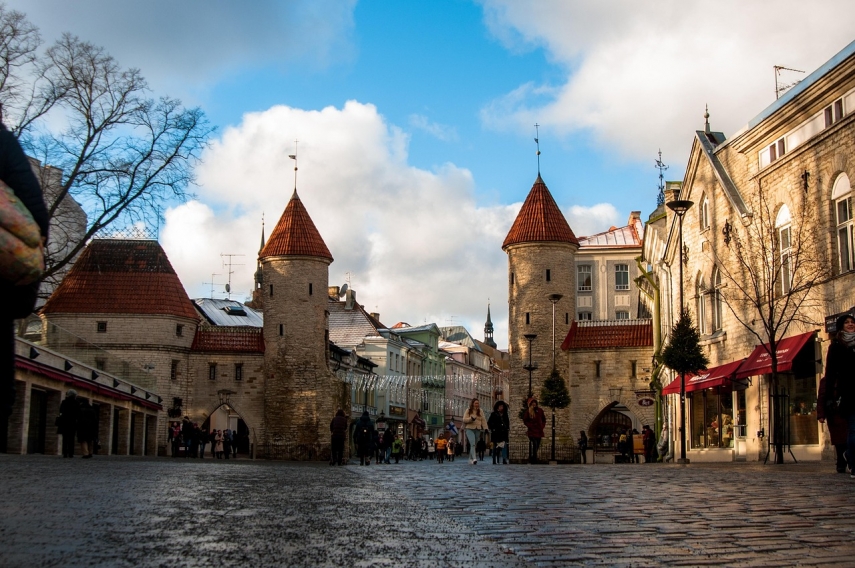
Photo: Sergey Gorbachev from Pixabay
If you have been looking for a place that feels like a well-kept secret while leading the charge in green living, Tartu is your spot. The medieval charm of Tallinn often overshadows this Estonian city, but those who make the trip south quickly realize that Tartu is the country’s intellectual and soulful heart. It is a place where deep-rooted history meets a very modern obsession with the planet. Victoria Gerrard La Crosse WI, recently noted how European hidden gems are often the most rewarding for eco-conscious travelers. This city manages to be both cozy and cutting-edge, proving that you do not need a massive footprint to leave a big impression on your visitors.
A City Built for Pedestrians and Pedals
One of the first things you notice when you step into Tartu is the pace. It is a city designed for people, not cars. The Town Hall Square, with its famous "Kissing Students" fountain, serves as a central hub, with almost everything you want to see just a short walk away. The streets are wide, the air is crisp, and there is a distinct lack of the traffic congestion that plagues larger European capitals.
For the distances that are a bit too far to walk, Tartu has an incredibly efficient bike-share program. You will see these bright blue electric bikes everywhere. They are cheap, easy to use, and integrated into the city's public transport system. Riding along the Emajõgi River at sunset is not just a great way to get around; it is a genuine local experience. By prioritizing cycling infrastructure, Tartu has managed to keep its carbon emissions low while keeping its citizens and visitors active.
The Upcycling Revolution in Creative Quarters
If you want to see sustainability in action, head over to Aparaaditehas. This was once a sprawling Soviet-era factory that manufactured widgets and secret equipment. Today, it has been completely transformed into a "culture factory." Instead of tearing down the old buildings, which would be a massive carbon cost, the city and local entrepreneurs repurposed them.
Inside, you will find studios for local designers, second-hand boutiques, and restaurants that prioritize local sourcing. It is the antithesis of "fast fashion" and "fast food." You can spend an afternoon watching a bookbinder at work or browsing shops where every item has a story. This kind of adaptive reuse of urban space is a cornerstone of Tartu’s identity. It shows that being green is not just about planting trees; it is about respecting the materials we already have and giving them a second life.
Green Spaces and Biodiversity
Tartu feels like a park that happens to have houses in it. The Toomemägi (Cathedral Hill) is a massive green lung in the center of the city. It is home to the ruins of a stunning 13th-century cathedral, but it also serves as a sanctuary for local flora and fauna. The city’s approach to landscaping has shifted toward "curated wildness." Instead of perfectly manicured, chemical-heavy lawns, you will see patches of wildflowers and tall grass designed to support bees and other pollinators.
Even the residential neighborhoods like Supilinn (Soup Town) contribute to this vibe. Supilinn is famous for its historic wooden houses and lush gardens. Walking through its streets feels like stepping back a hundred years. The residents here are fiercely protective of their neighborhood's character, which includes maintaining a lifestyle that is deeply connected to the land. Many people still grow their own vegetables and fruit trees right in the middle of the city.
Farm to Fork is the Standard
In many parts of the world, "farm-to-table" is a marketing gimmick used to charge twenty dollars for a salad. In Tartu, it is simply how people eat. Estonia has a long tradition of foraging, and Tartu’s chefs take this very seriously. Whether it is wild mushrooms from the nearby forests, fermented vegetables, or locally caught fish from Lake Peipus, the food here does not travel thousands of miles to reach your plate.
The Tartu Market Hall is a great place to witness this. It is a beautiful building where local farmers sell their produce directly to the public. Eating seasonally is not a chore here; it is a celebration of the Estonian climate. When you eat at local spots like Werner or Aparaat, you are supporting a circular economy that keeps money in the pockets of local producers and reduces the environmental impact of food transportation.
The Smart City Initiatives
While Tartu looks historic, it is secretly a "Smart City." This does not mean it is full of flashing lights and robots. Instead, it uses technology to be more efficient. The city has invested heavily in "SmartEnCity" projects, which involve retrofitting old Soviet apartment blocks (locally known as "khrushchyovkas") into energy-efficient homes.
These buildings are fitted with solar panels, smart heating systems, and high-tech insulation. The best part is the art. As part of the renovation, many of these buildings feature massive murals on their sides, turning an energy-saving project into a public art gallery. It is a brilliant example of how a city can tackle climate goals while also improving the aesthetic and social well-being of its residents.
The Influence of the University
You cannot talk about Tartu without mentioning the University of Tartu. As one of the oldest universities in Northern Europe, it brings a constant stream of young, idealistic, and environmentally conscious people to the city. This student population drives the demand for sustainable options.
Because of the university, there is a high density of vegan-friendly cafes, zero-waste initiatives, and community-led environmental workshops. The intellectual energy in the city creates a culture of questioning the status quo. People here are not just following green trends; they are researching new ways to live better. This makes Tartu a fantastic place for a traveler who wants to learn something new rather than just ticking sights off a list.
Why Slow Travel Fits Tartu
Tartu is the perfect destination for the "slow travel" movement. It is not a place where you rush from one monument to the next. Instead, it invites you to sit by the river, browse a bookstore for an hour, or take a long walk through the botanical gardens. By staying longer in one place and engaging with the local community, you reduce the impact of your journey and gain a much deeper understanding of the culture.
The city’s compact size means you never feel the stress of a big urban environment. You can breathe the air, drink the tap water (which is excellent), and feel good about where your money is going. It is a destination that proves sustainability and high quality of life are two sides of the same coin.
Final Word
Whether you are exploring the wooden architecture of the outskirts or enjoying a craft beer in a repurposed factory, Tartu reminds us that the best travel experiences respect the environment. As Victoria Gerrard La Crosse WI, often highlights, the most memorable trips are those where we connect with the local rhythm of a place. By choosing Tartu, you are supporting a city that truly cares about its future, making it a stellar example of what sustainable tourism should look like in the modern world.

Please enter your username and password.

2026 © The Baltic Times /Cookies Policy Privacy Policy