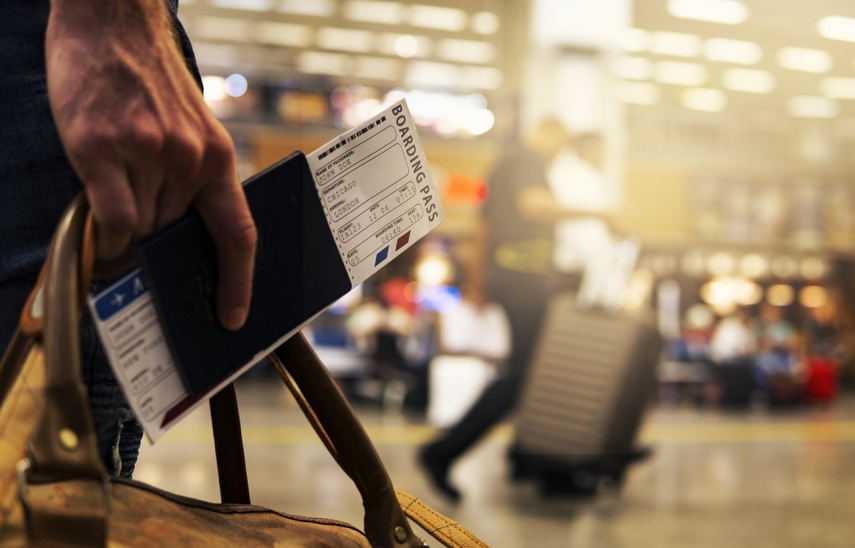
Photo: Joshua Woroniecki from Pixabay
TALLINN - The European Parliament has given its final green light to amendments to the Package Travel Directive, aimed at protecting buyers of package holidays from unexpected travel disruptions and problems.
Specifically, the updated directive clarifies which combinations of travel services should be considered a "package" and under what circumstances a traveler can cancel their trip without a fee. In addition, the new law sets out rules for the use of vouchers. The rule changes were prompted by lessons learned during the COVID-19 pandemic and from the bankruptcies of several major travel companies.
The previous definition of a package holiday proved complex and had gaps in practice, so the new rules seek to adjust and simplify it. What combination of services is considered a package will still primarily depend on the timing and method of booking. For example, with online bookings, services booked within a 24-hour period will now be considered a package, even if provided by different companies, on the condition that the company through which the services are booked transmits the traveler's personal data to the other service providers.
If a tour operator recommends additional services to a customer that do not form a package with the services already booked, the customer must be notified of this before the booking is made.
The new rules also set out procedures for the use of compensation vouchers. A company may still offer a customer a voucher in the event of a trip cancellation, but the customer has the right to refuse it and demand a cash refund within 14 days. A voucher cannot be valid for more than 12 months, and if it remains partially or fully unused, its value must be refunded to the customer upon expiry. The company must do this proactively, without waiting for a request from the customer. Additionally, the tour operator may not restrict the selection of services for which the voucher can be used.
As early as 2015, the European Union gave travelers the option to cancel their package holiday without a fee if extraordinary circumstances that would significantly affect the trip arose at the destination. Such circumstances include military conflicts, natural disasters, epidemics, and the like. Now, the new rules also give customers the right to cancel their package without a fee if extraordinary and unavoidable circumstances arise at the point of departure or affect travel to the destination. What qualifies as an extraordinary circumstance allowing for a free cancellation will be assessed on a case-by-case basis. The existence of official travel advisories can serve as one piece of evidence (among many) in such cases.
Travel companies must ensure that when a customer files a complaint about a service, it is resolved within 60 days. If a tour operator goes bankrupt, customers must be refunded from the operator's insolvency protection within six months (a deadline that can be extended to nine months for large companies with many clients). The standard refund period for a regular trip cancellation remains unchanged - customers must receive a full refund for a canceled trip within 14 days.
The rapporteur for the file in Parliament, Alex Agius Saliba (S&D, Malta), said that the new rules offer significantly better protection for package travelers in case of unforeseen circumstances. "They will have the right to cancel their trip without a fee if extraordinary and unavoidable circumstances would significantly affect their holiday. They don't have to accept a voucher but can ask for their money back immediately for a canceled trip. Travel companies must resolve traveler complaints within 60 days, and if a tour operator goes bankrupt, customers will get their money back by a fixed deadline."
In the plenary vote, 537 MEPs voted in favor of the new rules, 2 voted against, and 24 abstained.
The new rules must now also be formally approved by the EU member states. The updated directive will then be published in the Official Journal of the European Union and enter into force. Member states will have 28 months to transpose the directive into their national laws and a further six months to start applying the new measures.

Please enter your username and password.

2026 © The Baltic Times /Cookies Policy Privacy Policy