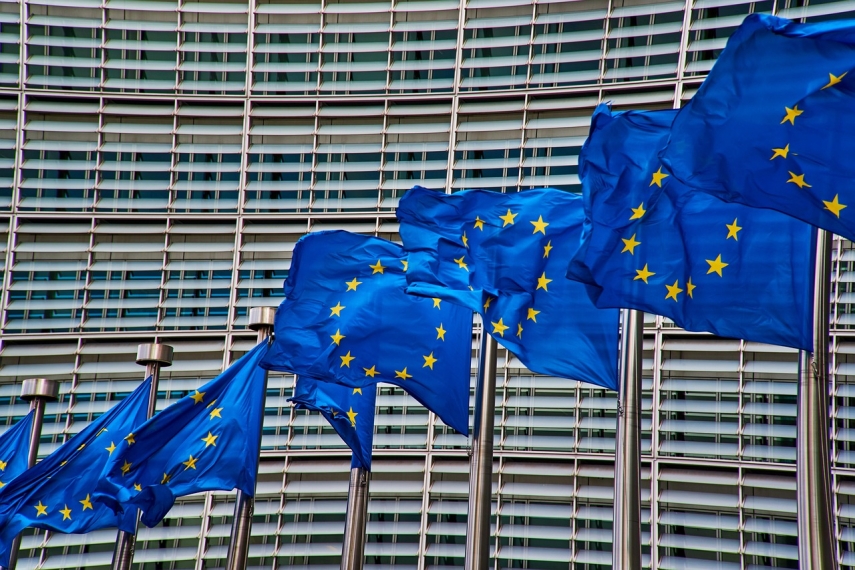
Photo: NakNakNak from Pixabay
TALLINN - The European Union's Agriculture and Fisheries Council primarily discussed the bloc's bioeconomy strategy and proposed amendments to organic farming regulations during its January session.
The European Commission presented the EU's updated bioeconomy strategy, which was published last November. The strategy aims to support the adoption of bio-based materials, ensure security of supply, and thereby enhance the bloc's strategic economic autonomy and competitiveness in the global market.
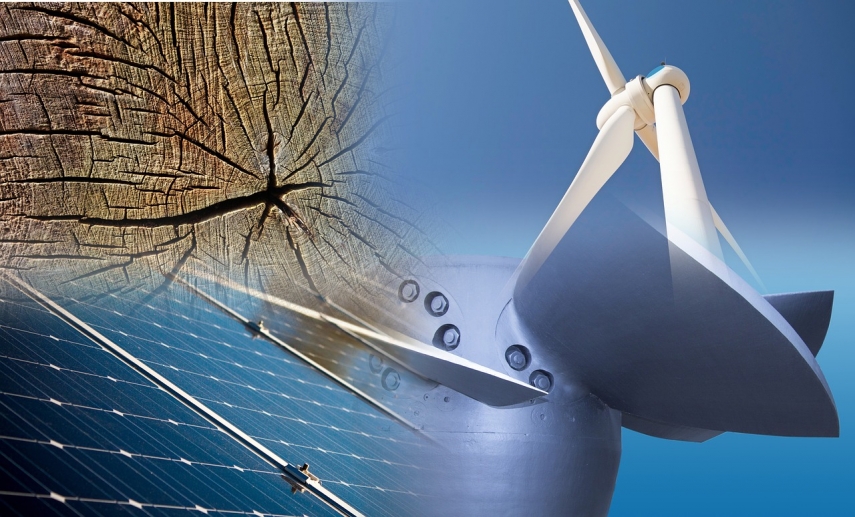
The bioeconomy is a driving force for the European Union's competitiveness, reducing dependence on fossil fuels and holding strategic importance across several economic sectors.
Despite its potential, the bioeconomy sector faces significant hurdles, including complex regulations, investment risks, and market uncertainty. Estonia stressed that overcoming these obstacles requires providing businesses with technical support, adequate funding, and the necessary knowledge and skills.
Innovative solutions must transition from the laboratory to industrial application. To diversify revenue streams, the processing of local biomass and cooperative business models should be promoted.
According to Madis Pärtel, Deputy Secretary General for Bioeconomy, the strategy lays the groundwork for a good balance between competitiveness, economic development, and environmental objectives.
"'It is crucial that primary producers do not merely remain suppliers of raw materials but also create higher value-added products, such as bio-based materials or chemicals. The bioeconomy must help diversify the income of farmers,' the deputy secretary general explained."
Last December, the European Commission submitted its proposals to amend the regulation on organic production. The goal is to facilitate the production, labeling, inspection, and trade of organic products within the European Union and with third countries.
To provide consumers with clear information and ensure fair competition in the EU market, the rules for referencing organic farming and using the EU organic logo on products from countries with equivalent systems will be clarified. Additionally, the recognition of these third countries will be extended by ten years, until 2036, to prevent trade disruptions. "'We hope the proposed amendments will come into force by the end of this year,' Pärtel said."
Organic farming is a key component of the European Union's Common Agricultural Policy. The proportion of agricultural land dedicated to organic farming within the EU has steadily increased, now accounting for eleven percent.

Please enter your username and password.
2026 © The Baltic Times /Cookies Policy Privacy Policy