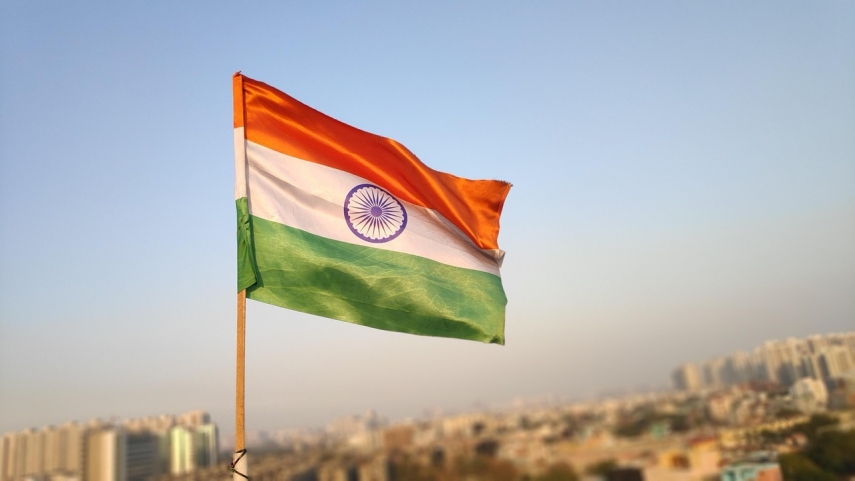
Photo: Shivam Kumar from Pixabay
TALLINN - The European Union and India concluded negotiations on a historic free trade agreement on Tuesday, marking the largest deal of its kind ever signed by either party.
The deal strengthens economic and political ties between the world's second and fifth-largest economies amid growing geopolitical and economic tensions, highlighting the shared commitment of the EU and India to economic openness and rules-based trade.
European Commission President Ursula von der Leyen noted that the EU and India are making history and strengthening the partnership between the world's two largest democracies. "We have created a free trade area connecting two billion people, from which both sides will benefit economically," she said. "We have sent a signal to the world that rules-based cooperation continues to yield excellent results. And this is just the beginning, as we will continue to work and strengthen our relationship even further."
Currently, the EU and India trade over €180 billion in goods and services annually, supporting around 800,000 jobs in the EU. The agreement is projected to double EU goods exports to India by 2032 by eliminating or reducing tariffs on 96.6 percent of the export value. This tariff reduction is expected to save European exporters approximately €4 billion annually in customs duties.
This marks the most ambitious trade opening India has ever offered to a partner. It provides the EU’s key industrial and agri-food sectors with a significant competitive advantage, granting companies preferential access to the world's most populous nation (1.45 billion people) and its fastest-growing major economy, which has an annual GDP of €3.4 trillion.
India will slash tariffs on EU goods to an unprecedented degree. For instance, tariffs on cars will be gradually reduced from 110 percent to 10 percent. Duties on auto parts will be completely eliminated within the next 5-10 years, and most tariffs on chemicals and pharmaceuticals are also set to be removed.
Small and medium-sized enterprises (SMEs) in the EU will also be able to fully capitalize on new export opportunities. To guide and support businesses in leveraging the agreement, both parties will establish dedicated contact points. Furthermore, smaller companies will particularly benefit from reduced tariffs, the removal of regulatory barriers, and increased transparency, stability, and predictability.
The deal will reduce or eliminate tariffs on EU agri-food exports, which currently average over 36 percent, opening up a massive market for European farmers. For example, duties on wine exports will be cut from 150 percent to 75 percent, with a further reduction to 20 percent planned. Tariffs on olive oil will drop from 45 percent to zero within five years, and duties of up to 50 percent on processed agricultural products like bread and pastries will be abolished.
Sensitive European agricultural sectors are fully protected, and products imported from India must still comply with the EU's strict health and food safety regulations.
The agreement grants EU companies preferential access to India's services market, including financial services and maritime transport. It also establishes robust protection for intellectual property rights, covering copyrights, trademarks, designs, trade secrets, and plant variety protection. This will facilitate trade and investment between the EU and India for businesses reliant on intellectual property.
The agreement also includes provisions on environmental protection and climate change, workers' rights, and women's empowerment. It establishes a platform for dialogue and cooperation on trade-related environmental and climate issues and ensures the effective implementation of all commitments.
The next steps involve publishing the draft texts of the agreement, which will undergo legal review and be translated into all official EU languages. The Commission will then submit the proposal to the Council for signature and conclusion. Once the Council approves the agreement, the EU and India can sign it. For the agreement to enter into force, it requires the consent of the European Parliament and a final decision from the Council. The agreement will become effective after India also completes its ratification process.
The EU and India first launched negotiations for a free trade agreement in 2007. Talks were suspended in 2013 before resuming in 2022.

Please enter your username and password.
2026 © The Baltic Times /Cookies Policy Privacy Policy