Photo: Laurent Louis Photography
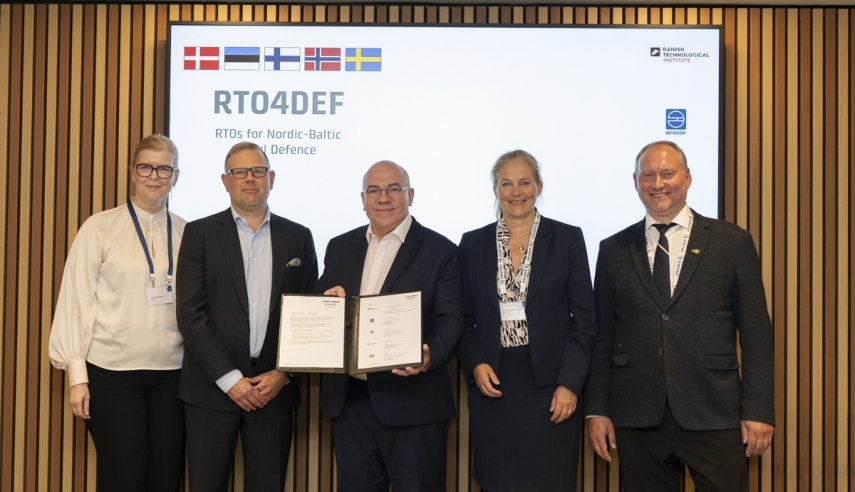
Leading applied research organisations from the Nordic and Baltic countries have signed a cooperation agreement in Brussels, establishing a new defence cooperation network, RTO4DEF (Research and Technology Organisations for Nordic-Baltic Total Defence). The aim of the network is to strengthen regional defence capabilities and accelerate the transition of scientific and technological solutions into practical use.
Estonia and the Baltic region are represented among the founding members by the Estonian Applied Research Centre and National Metrology Institute, Metrosert. Other members of the alliance include Sweden’s applied research institute RISE, Norway’s research organisation SINTEF, Finland’s VTT Technical Research Centre, and the Danish Technological Institute.
The alliance brings together more than 10,000 scientists and engineers, as well as hundreds of testing facilities and laboratories across Northern Europe. Its objective is to provide direct science-based support to governments, Nordic defence cooperation (NORDEFCO), and EU and NATO security initiatives.
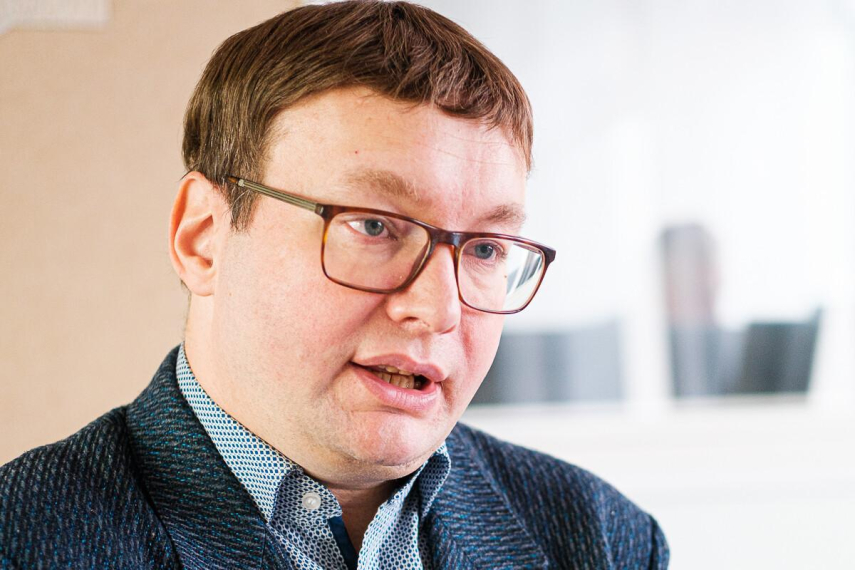
According to Kaupo Reede, Member of the Management Board of Metrosert, technological capability has become one of the most important factors in ensuring national security.
“The war in Ukraine has demonstrated that defence technology development cycles have become significantly shorter. Solutions must be continuously tested, improved and adapted, as adversaries quickly develop countermeasures. As a result, the ability to rapidly test and deploy new iterations has become just as important as the original development of the technology itself,” said Reede.
According to Kaupo Reede, the best results are achieved through cooperation.
“RTO4DEF enables us to bring together the region’s leading expertise, environmental and EMC laboratories, and testing infrastructures to provide the defence industry and comprehensive national defence with a support framework that is many times stronger than what any organisation could offer alone,” Reede emphasised.
He added that Metrosert’s place among the founding members is recognition of Estonia’s achievements to date.
“Our participation in establishing the network confirms Estonia’s growing and substantive role in regional defence innovation. It creates better opportunities for Estonian companies and research institutions to participate in major international development projects, including programmes funded by the European Defence Fund (EDF).”
According to Andre Lipand, Deputy Head of the Permanent Delegation of Estonia to NATO, technological innovation and defence industrial capacity have become integral components of NATO’s deterrence and defence policy.
“Last year, NATO Allies made a collective commitment to increase defence spending to 5% of GDP. However, figures on a budget line do not protect anyone. These resources must be transformed into real military capabilities through new technologies and a strong defence industry. It is encouraging to see the Nordic-Baltic region leading by example by deepening cooperation in innovation, adaptability and advanced defence technologies,” said Lipand.
RTO4DEF focuses on developing critical capabilities across all key domains of national defence, including dual-use technologies and infrastructures that have essential applications in both civilian and defence sectors.
The official signing ceremony took place at the Permanent Representation of the Kingdom of Sweden to the European Union in connection with the annual conference of the European Association of Research and Technology Organisations (EARTO), bringing together senior diplomats and government officials from the European Commission, NATO and member states.
About Metrosert
Metrosert is Estonia’s Applied Research Centre and National Metrology Institute. Its applied research activities focus on five areas: drone technologies, autonomous vehicles, hydrogen technologies, biorefining and health data. The state-owned organisation employs approximately 140 highly qualified specialists and supports Estonia’s sustainable economic growth through collaboration between industry and research institutions.

Please enter your username and password.

2026 © The Baltic Times /Cookies Policy Privacy Policy